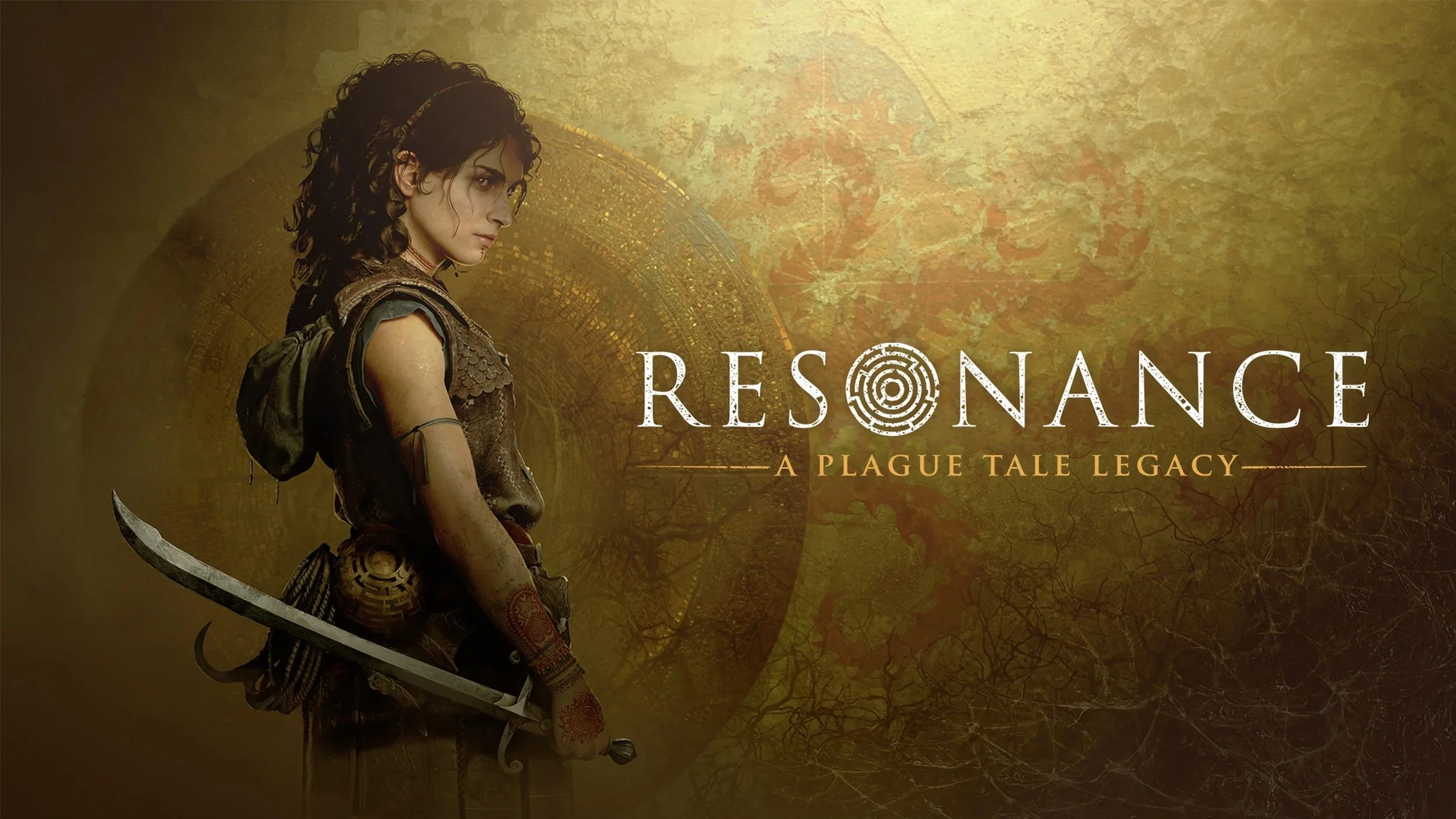
Before the heartbreak of A Plague Tale: Innocence and Requiem, another story was waiting to be told. A story of ancient mythology, buried curses, dangerous secrets, and a young woman determined to uncover the truth about her past.
By KilanaANn | The HorrorAnn Files
HorrorAnn Rating: 10/10 Screams! 😱
Some Legends Are Better Left Untouched
There is something wonderfully fascinating about ancient mythology.
Stories of gods, monsters, labyrinths, and curses have survived for thousands of years, passed down through generations as warnings, entertainment, and explanations for things humanity could not understand.
But what if those stories were more than legends?
What if the monsters were real?
And what if the greatest danger wasn't the creature waiting at the center of the labyrinth, but the truth hidden behind its existence?
Developed by Asobo Studio and published by Focus Entertainment, Resonance: A Plague Tale Legacy takes players into a world where history and mythology collide.
Set before the events of A Plague Tale: Requiem, this narrative-driven action-adventure explores a different chapter of the franchise's universe.
Rather than following Amicia and Hugo, Resonance places players in the shoes of Sophia, a fierce young adventurer whose journey uncovers secrets connected to the mysterious Macula.
For those familiar with the emotional storytelling and devastating consequences of the previous games, returning to this universe means knowing one important thing.
Nothing is ever quite as simple as it seems.
And happiness? Well, this franchise has never exactly handed that out freely.
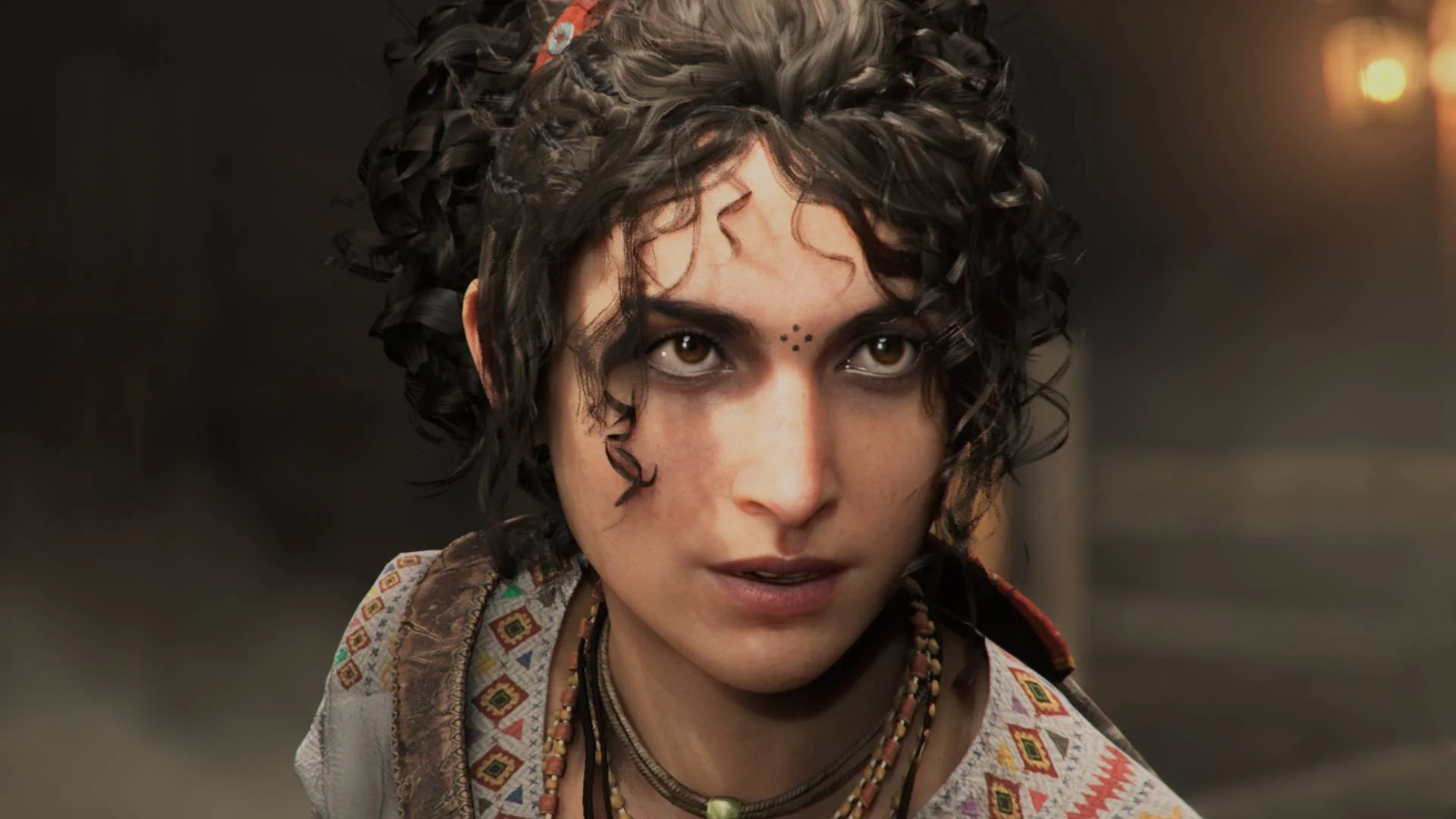
Before the Plague: Sophia's Story
Set approximately fifteen years before the events of A Plague Tale: Requiem, Resonance explores Sophia's earlier life, long before her involvement in Amicia and Hugo's journey.
Sophia's past is shaped by survival, conflict, and the dangerous world around her.
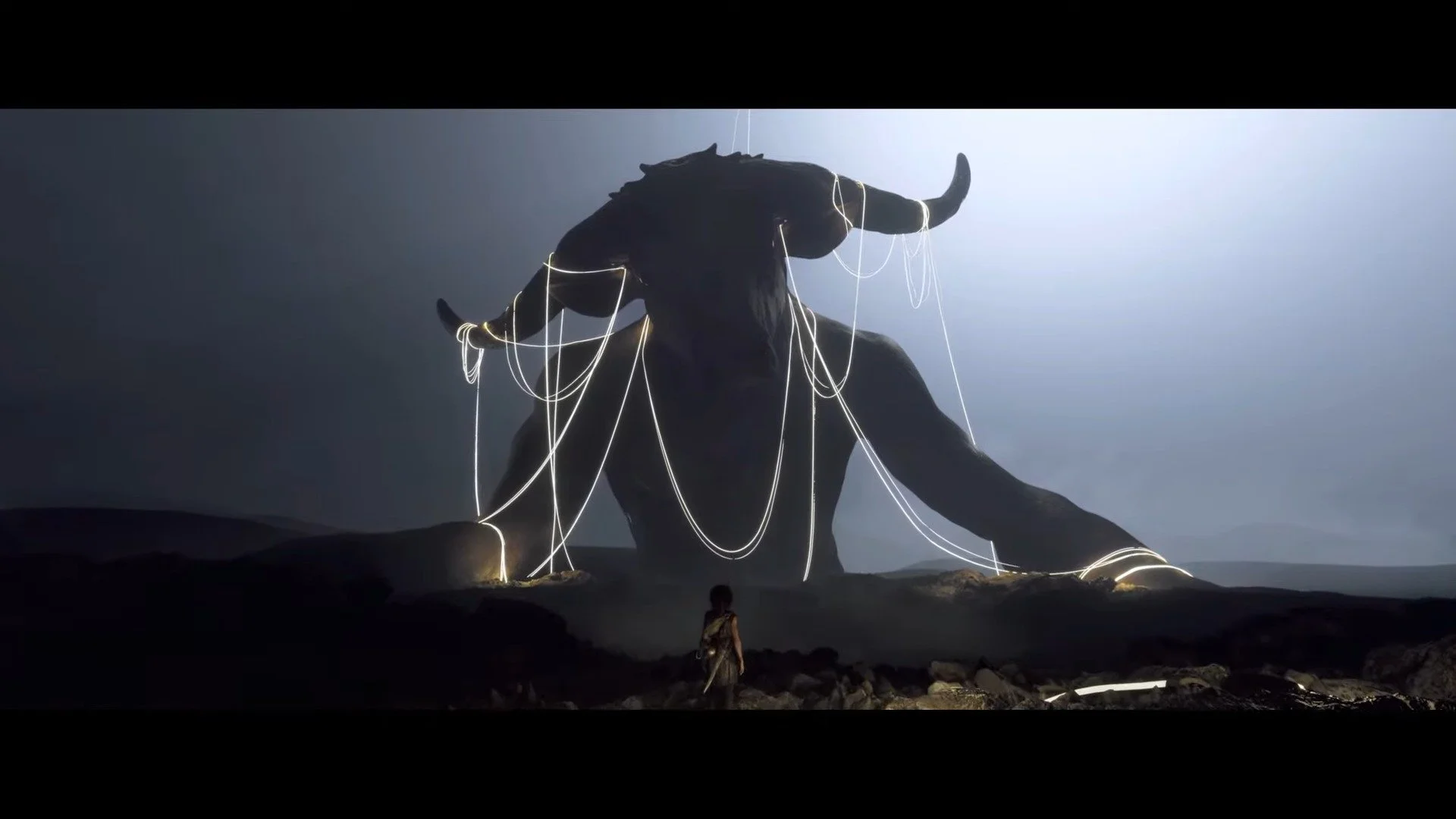
Her search for answers eventually draws her toward the mysterious Minotaur's Island, a place connected to ancient legends and secrets that have endured for centuries.
As Sophia investigates the island, she encounters dangerous enemies, forgotten ruins, and mysteries that connect the past to the supernatural forces defining the franchise.
But the deeper she travels, the more apparent it becomes that this is not simply a story about treasure or survival.
Something ancient is waiting to be uncovered.
Something that connects events separated by generations.
And something that may hold answers about the Macula itself.
What makes Sophia's perspective particularly interesting is the opportunity to explore the world of A Plague Tale through someone other than the de Rune siblings.
Returning players already know Sophia as an important character from Requiem. Giving her a story of her own creates an opportunity to understand her motivations, personality, and experiences in greater depth.
For a franchise with such a strong emphasis on its characters, that is an exciting direction.
The Minotaur and the Horror of the Labyrinth
One of the most fascinating aspects of Resonance is its use of Greek mythology, particularly the legend of the Minotaur.
In classical mythology, the Minotaur was a monstrous creature with the body of a man and the head of a bull, imprisoned within an elaborate labyrinth beneath the palace of King Minos on Crete.
The labyrinth was designed by Daedalus, a legendary craftsman and inventor, and was intended to contain a creature too dangerous to roam freely.
Eventually, the hero Theseus entered the labyrinth and defeated the monster.
At least, that is how the familiar version of the legend unfolds.
Resonance draws inspiration from this mythology while connecting it to the supernatural history of A Plague Tale.
The island's ruins, ancient mechanisms, and dangerous passageways transform the legendary labyrinth into an environment players must explore.
And while mythology often presents monsters as obstacles for heroes to overcome, darker storytelling encourages us to ask different questions.
Why was the creature imprisoned?
What happened to the people who created its prison?
And what if the legend was only a small part of something much more disturbing?
These questions make mythology particularly effective material for dark fantasy.
After all, ancient legends have never been especially kind to people who ignore warnings.
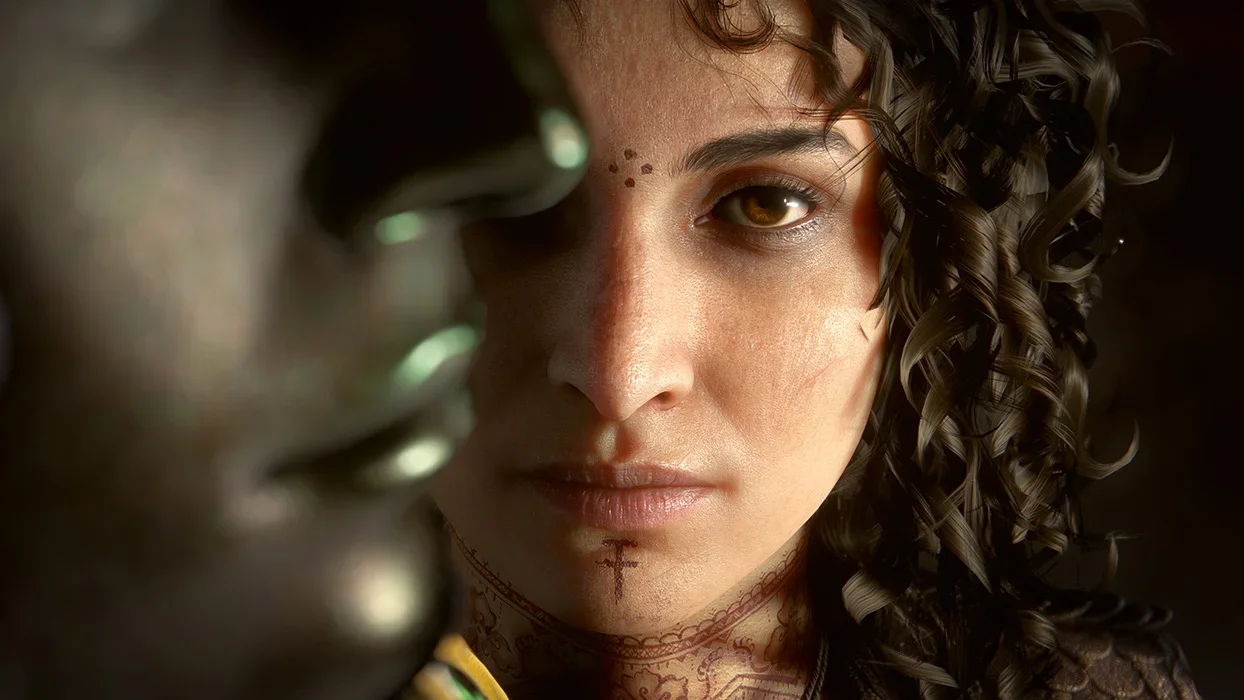
Two Eras, One Extraordinary Legacy
One of the game's most ambitious storytelling elements is its connection between different historical periods.
Sophia's journey is intertwined with mysteries originating in the ancient Minoan world, allowing the narrative to explore how events from the distant past continue influencing the present.
This historical approach expands the story beyond Sophia's personal experiences.
The past is not simply background information.
It becomes an essential part of understanding the world and the forces that have shaped it.
For fans of lore-heavy storytelling, this offers an opportunity to examine how ancient events influence generations of people who may never fully understand the consequences of what came before them.
It also provides a different perspective on the Macula, the mysterious supernatural affliction central to the franchise.
Without venturing into major spoilers, Resonance explores connections between mythology, fate, and the legacy carried through the series.
And that is one of the things I find so compelling about stories built around ancient mysteries.
The people who first encountered these events may be long gone.
But their consequences remain.
A Different Kind of Plague Tale
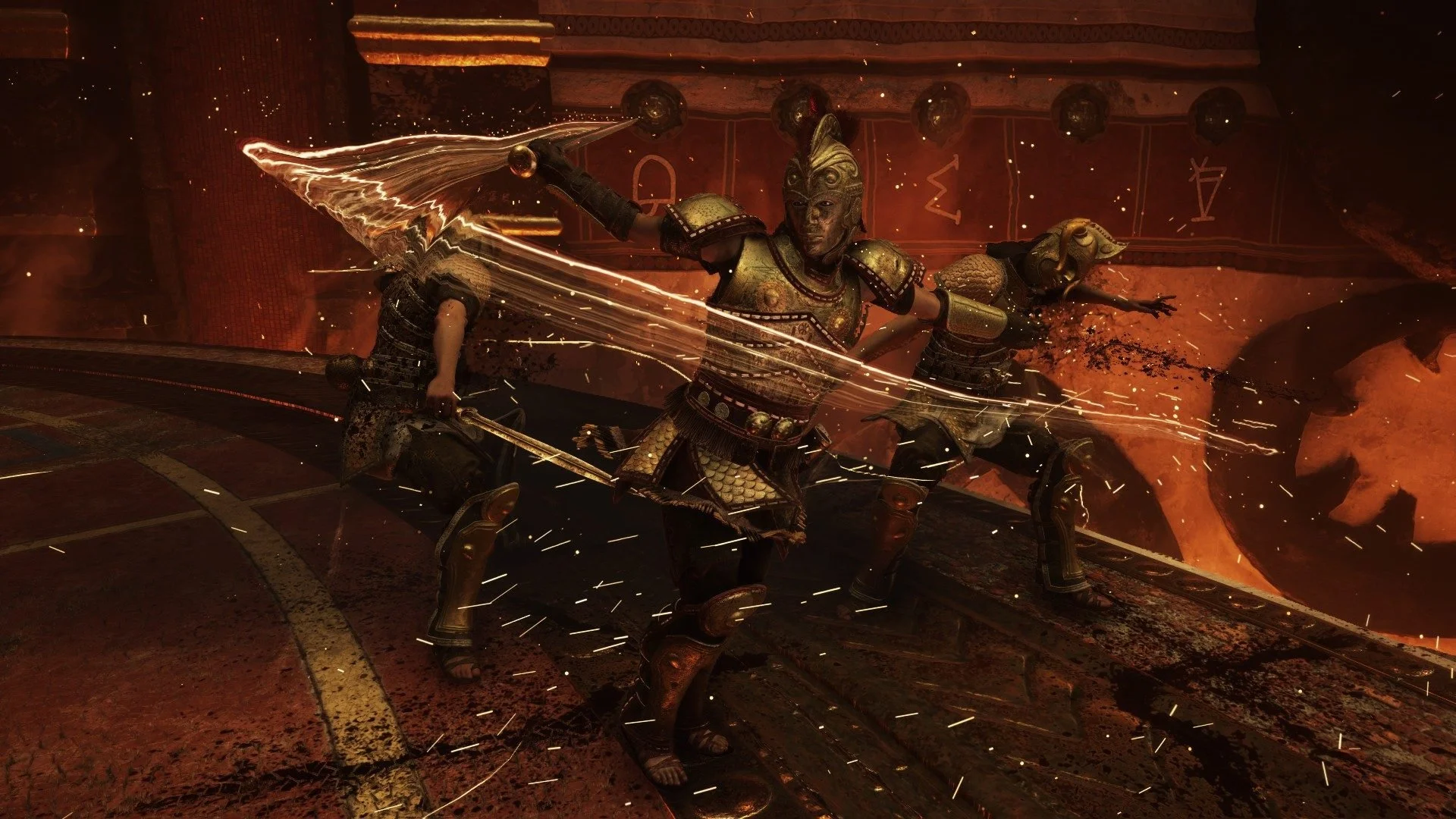
While A Plague Tale: Innocence and Requiem placed considerable emphasis on stealth, vulnerability, and protecting loved ones, Resonance takes a noticeably different approach to combat.
Sophia is not helpless.
She is an experienced fighter who relies on agility, precision, and her ability to adapt to dangerous situations.
The combat emphasizes direct confrontation, timing, and strategic decision-making.
This change represents an interesting evolution for the franchise.
The previous games frequently made players feel vulnerable through limited combat options and overwhelming threats.
Resonance, however, introduces a protagonist who can confront danger with a more aggressive fighting style.
That doesn't mean the encounters are easy.
In fact, the more demanding combat can become an important part of the experience, requiring players to pay attention rather than simply rushing into every confrontation.
The result is a different balance between narrative adventure and action.
Instead of relying primarily on fear and vulnerability, the game allows its combat systems to become a major source of tension and excitement.
And sometimes, a difficult battle can be just as memorable as a terrifying encounter.
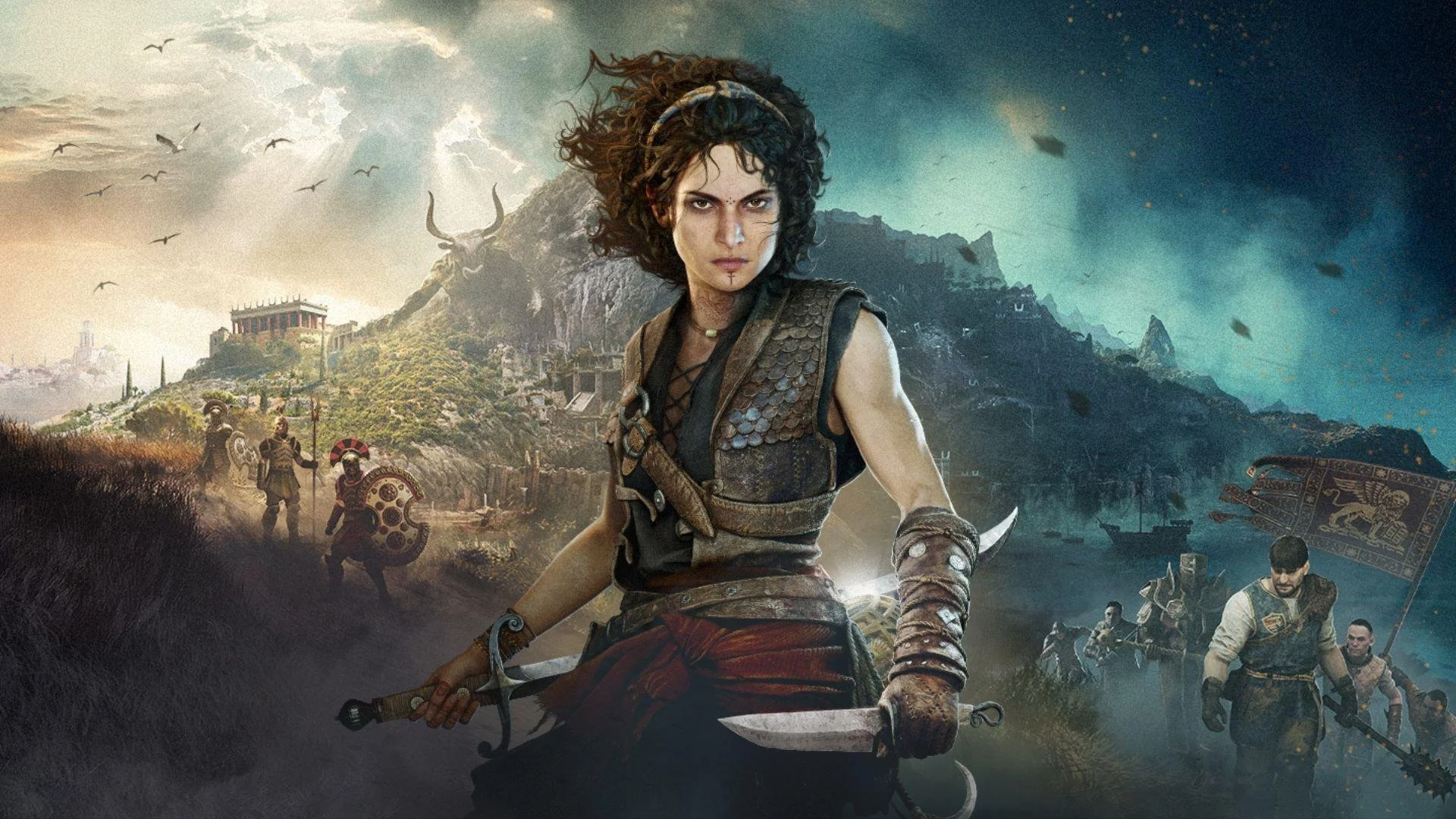
Light, Puzzles, and Ancient Machinery
Beyond combat, Resonance emphasizes exploration and environmental puzzle-solving.
The island contains ancient mechanisms, hidden passageways, and elaborate structures inspired by Minoan civilization.
These environments create opportunities for players to investigate the island's history while working through obstacles connected to its mysterious architecture.
One of the interesting aspects of environmental puzzles is how they can contribute to the larger story.
A mechanism is not necessarily just something preventing the player from progressing.
It can also provide clues about the civilization that constructed it.
Ancient machinery, elaborate passageways, and forgotten structures can suggest the technological achievements, beliefs, and priorities of the people who came before.
In a game built around historical mysteries, that relationship between environment and narrative is particularly important.
The setting becomes more than a backdrop.
It becomes part of the story itself.
The Difference Between Horror and Dark Fantasy
Although Resonance shares a universe with a franchise known for disturbing imagery and emotionally devastating storytelling, it is important to distinguish dark fantasy from traditional horror.
Not every dark or unsettling game needs to be frightening to succeed.
Sometimes the appeal lies in the world, the characters, the mystery, and the challenges encountered along the way.
That distinction is particularly relevant to Resonance.
Its mythology, supernatural themes, and dangerous environments provide a dark atmosphere, but the experience also places considerable emphasis on action and adventure.
For players expecting constant jump scares or overwhelming psychological terror, this is worth keeping in mind.
However, a game does not need to make someone scream to leave a lasting impression.
An excellent story, memorable protagonist, and engaging combat can be equally rewarding.
And that is precisely where Resonance shines for me.
The Music Behind the Journey
Music has always played an important role in the emotional identity of A Plague Tale.
Composer Olivier Derivière's work on Innocence and Requiem helped establish the series' distinctive musical atmosphere, demonstrating how sound can reinforce both intimate character moments and dramatic events.
That musical legacy provides an important point of comparison when considering the emotional storytelling of Resonance.
In narrative-driven experiences, music does more than accompany the action.
It establishes emotional expectations, reinforces tension, and helps players connect with characters.
A quiet melody can make a moment of reflection feel intimate.
A sudden change in instrumentation can transform an ordinary location into something threatening.
And a powerful orchestral passage can give a dramatic revelation additional emotional weight.
For a story exploring history, identity, and ancient mysteries, sound and music have an especially important role in maintaining the atmosphere.
Sometimes the most memorable part of an adventure isn't what you see.
It's what you hear.
Ann's Thoughts: An Amazing Addition to the Plague Tale Universe
HorrorAnn Rating: 10/10 Screams! 😱
Let me start by saying something that might surprise a few people.
Resonance: A Plague Tale Legacy gets a perfect 10 out of 10 Screams from me.
But not because it scared me.
In fact, I wouldn't really consider this a scary game.
And you know what? That's perfectly fine!
Sometimes a game doesn't need to terrify me to earn a perfect score. Sometimes it simply needs to deliver an outstanding experience, and Resonance absolutely did that.
As someone who appreciates the A Plague Tale series, I thought this was a fantastic addition to the franchise.
One of my favorite aspects was getting to experience the story from Sophia's perspective.
Sophia is an interesting character, and having the opportunity to explore her journey added another layer to a universe that already has some incredibly memorable storytelling.
I loved seeing the world through her eyes.
Her perspective gives the series a different feeling while still maintaining the rich narrative foundation that makes A Plague Tale so enjoyable.
And speaking of the story, I thought it was fantastic!
The narrative was vivid, engaging, and genuinely fun to experience.
I love games that make me want to keep playing because I'm invested in the characters and curious about what happens next.
Resonance delivered exactly that.
The story was one of the strongest parts of the experience for me, and I appreciated how it expanded the universe without simply repeating what previous games had already accomplished.
Then there's the combat.
Oh, the combat!
I found it incredibly engaging, but I certainly wouldn't call it easy all the time.
Some encounters were genuinely tough, and I appreciated that challenge.
There is something satisfying about a combat system that requires you to pay attention, learn from mistakes, and actually work for your victories.
Those difficult moments made overcoming challenges feel rewarding.
I enjoyed how the combat complemented the adventure rather than feeling like something added simply to fill the space between story moments.
It gave the game energy and helped distinguish Sophia's journey from the experiences of Amicia and Hugo.
Now, let's talk about the horror.
Was I screaming constantly?
Nope!
Was I hiding behind my hands or questioning my life decisions every five minutes?
Not really!
But did I have an absolutely fantastic time?
YES!
And that is exactly why Resonance deserves its perfect rating.
The game doesn't need to be terrifying to be excellent.
Its vivid storytelling, wonderful perspective on Sophia, and engaging, occasionally challenging combat made it an outstanding experience from my point of view.
For fans of A Plague Tale, this is an adventure that brings something new to the franchise while respecting what makes the series special.
My final verdict? 10 out of 10 Screams!
Not scary, but absolutely a great game.
And sometimes, Spiderlings, that's more than enough.
About the Game: Resonance: A Plague Tale Legacy
Resonance: A Plague Tale Legacy is a narrative-driven action-adventure set before the events of A Plague Tale: Requiem.
Players follow Sophia, a young adventurer whose search for answers leads her toward the mysterious Minotaur's Island.
There, she must navigate ancient ruins, confront dangerous enemies, overcome environmental challenges, and uncover a supernatural mystery connected to the Macula.
Combining action-oriented combat, exploration, historical mythology, and character-driven storytelling, Resonance offers a new perspective on the world of A Plague Tale.
Game Details
Developer: Asobo Studio
Publisher: Focus Entertainment
Genre: Action, Adventure, Dark Fantasy, Narrative
Platforms: PC, PlayStation 5, Xbox Series X|S
Features: Third-person combat, exploration, environmental puzzles, mythology, and narrative storytelling
HorrorAnn Rating: 10/10 Screams! 😱
Find Resonance: A Plague Tale Legacy on Steam:
https://store.steampowered.com/app/2713000/Resonance_A_Plague_Tale_Legacy/
Final Thoughts: A Legacy Worth Experiencing
Resonance: A Plague Tale Legacy is a fantastic addition to an already memorable franchise.
By placing Sophia at the center of the narrative, the game offers a fresh perspective while continuing to explore the rich storytelling and historical mysteries associated with A Plague Tale.
For me, the experience succeeded because of three major strengths.
First, the story was vivid, engaging, and incredibly enjoyable.
Second, Sophia's perspective provided a wonderful opportunity to explore the universe through a different character.
And third, the combat was genuinely entertaining, offering a satisfying challenge that occasionally pushed me to work a little harder for victory.
While Resonance isn't particularly frightening, I don't consider that a weakness.
Not every game with dark themes needs to rely on horror to create a memorable experience.
Sometimes a fantastic story and engaging gameplay are more than enough to earn a place among my favorites.
And that is exactly what happened here.
If you enjoy narrative-driven adventures, mythology, challenging combat, or simply want to spend more time in the world of A Plague Tale, I highly recommend giving Resonance a chance.
HorrorAnn's Final Rating: 10/10 Screams! 😱
Not scary, but a fantastic game that absolutely deserves the score.
Until next time, Spiderlings, stay spooky, stay curious, and remember: not every unforgettable adventure needs to be a nightmare.
— Ann 🕷️