Resident Evil: Requiem
Capcom Looks Like It Understands Exactly What Makes Resident Evil Work
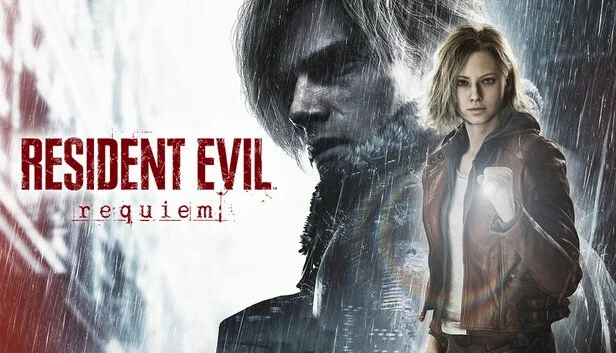
When I look at Resident Evil: Requiem, the first thing that stands out to me is that Capcom does not seem interested in making just another Resident Evil game for the sake of brand recognition. It feels like they are trying to make a statement piece. This is a series that has constantly shifted between pure survival horror, action horror, camp, trauma, and bioweapon spectacle, and somehow Requiem looks like it is trying to hold all of those identities together at once. That is ambitious, but honestly, it is also very Resident Evil. Capcom is both the developer and publisher here, and by this point they know this series inside and out. They have had years to study what worked in the remakes, what fans loved in the newer entries, and what kinds of characters can carry the emotional weight of a game like this.
One of the smartest things Capcom appears to be doing with Requiem is centering two very different kinds of protagonists. Grace Ashcroft is a new face, an FBI agent with a sharp analytical mind and a personal connection to the case, while Leon S. Kennedy brings the legacy, experience, and instant emotional familiarity that longtime fans already have with him. Capcom’s official material frames Grace as someone who is intelligent and capable but still being thrust into something extraordinary, while Leon is the battle-tested counterweight to that vulnerability. That contrast is important, because Resident Evil has always thrived when it can make fear feel personal for one character and brutal for another.
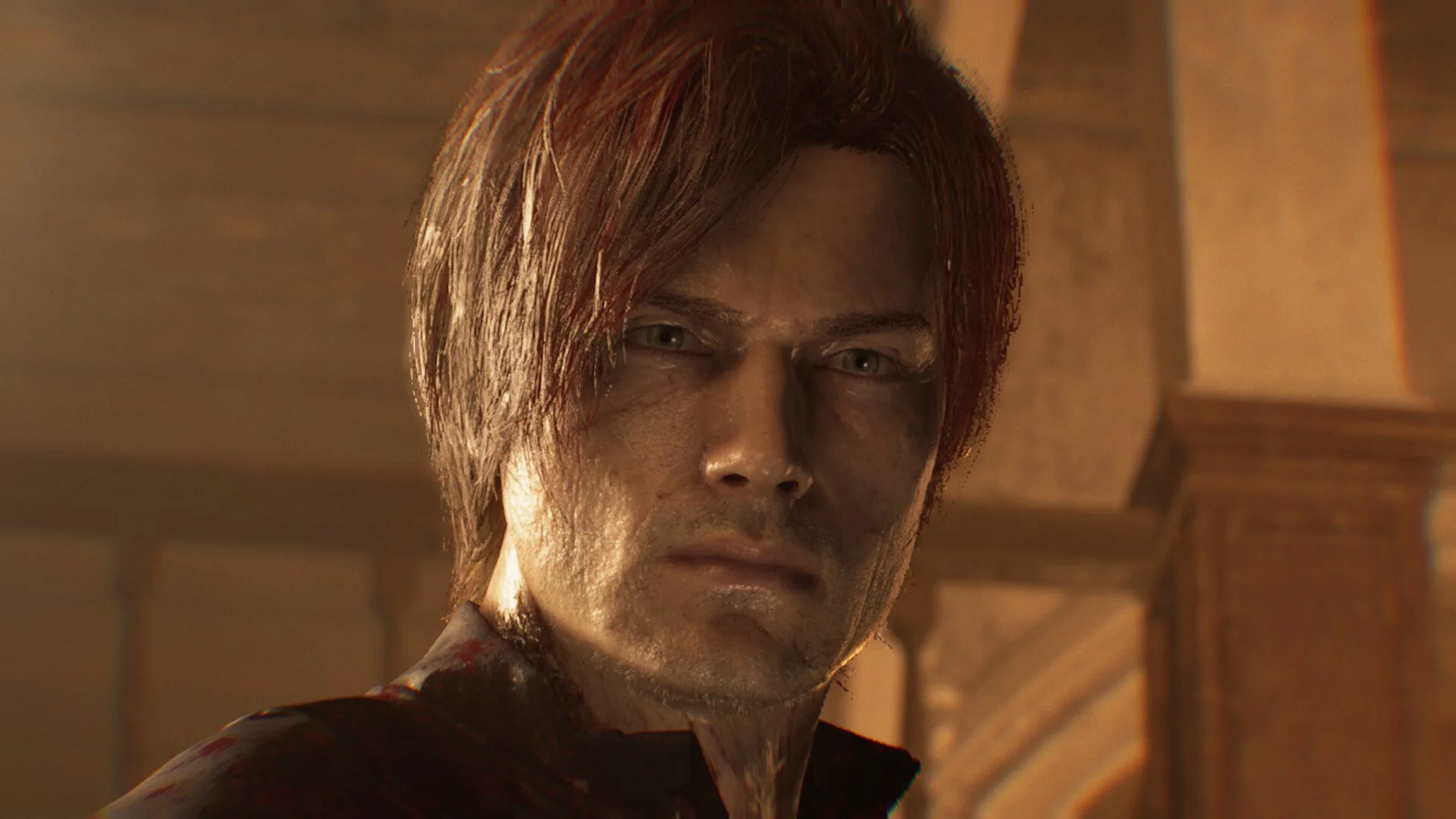
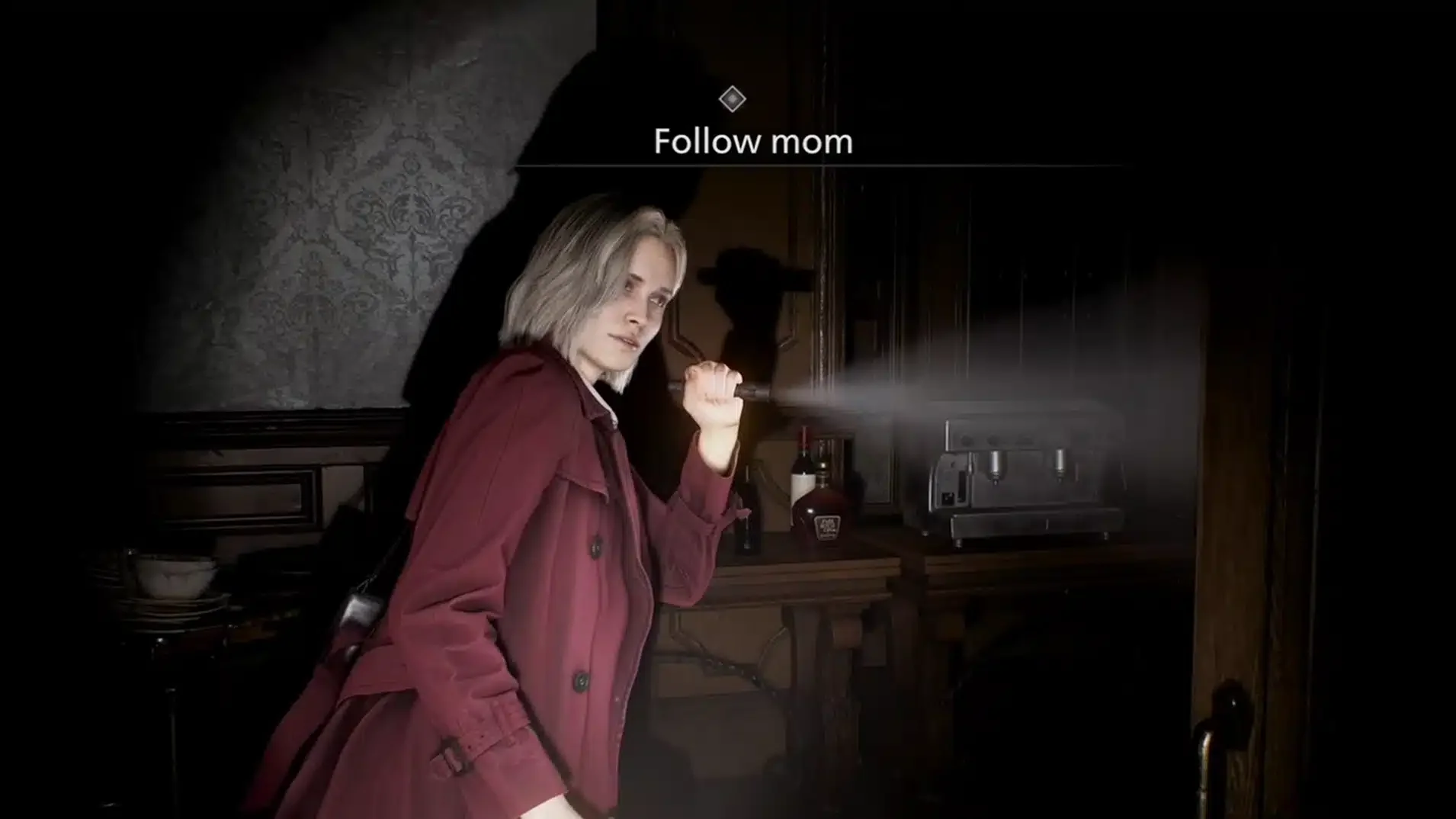
From a character design standpoint, Grace and Leon already say a lot about the kind of game Requiem wants to be. Grace’s design reads more restrained and grounded. She does not come across like a flashy action hero, and I think that is a good thing. She feels like a character whose fear can still breathe on screen. Leon, by comparison, represents a different side of Resident Evil’s identity. What is especially interesting here is that Capcom has apparently put real thought into showing Leon’s age, history, and emotional wear. Director Kōshi Nakanishi said the team considered the fact that Leon has been fighting biohazards for close to 30 years and wanted that weight reflected in his appearance and personality, describing him as more burdened and a little more pessimistic while still keeping his trademark charm. That gives Leon more than simple nostalgia value; it gives him texture.
That is why I do not think Capcom is just using Leon as a familiar face to get people excited. If anything, his presence seems designed to contrast Grace’s journey rather than overshadow it. Grace can evolve through fear, investigation, and survival, while Leon can represent what that survival looks like after years of sacrifice, failure, and carrying trauma forward. That kind of pairing opens the door for actual character growth instead of simple fan service. It is one thing to bring back a beloved character. It is another to ask what surviving in this universe has actually done to him. That is where Requiem starts to feel more thoughtful than a lot of legacy horror sequels. This reading is interpretive, but it is strongly supported by the official emphasis on Grace’s analytical role and Leon’s long-term emotional burden.
Story-wise, the setup is exactly the kind of Resident Evil premise that can work when handled well. The game leans into classic survival horror through combat, investigations, puzzles, and resource management, which immediately tells me Capcom is not abandoning the slower and more methodical side of Resident Evil just because Leon is involved. That matters, because it reinforces the idea that Grace is not only there for emotional setup; she is there to support the game’s mystery and investigative structure too. Resident Evil is often strongest when horror is tied to memory, guilt, buried truth, and the consequences of the past, and Requiem seems to understand that.
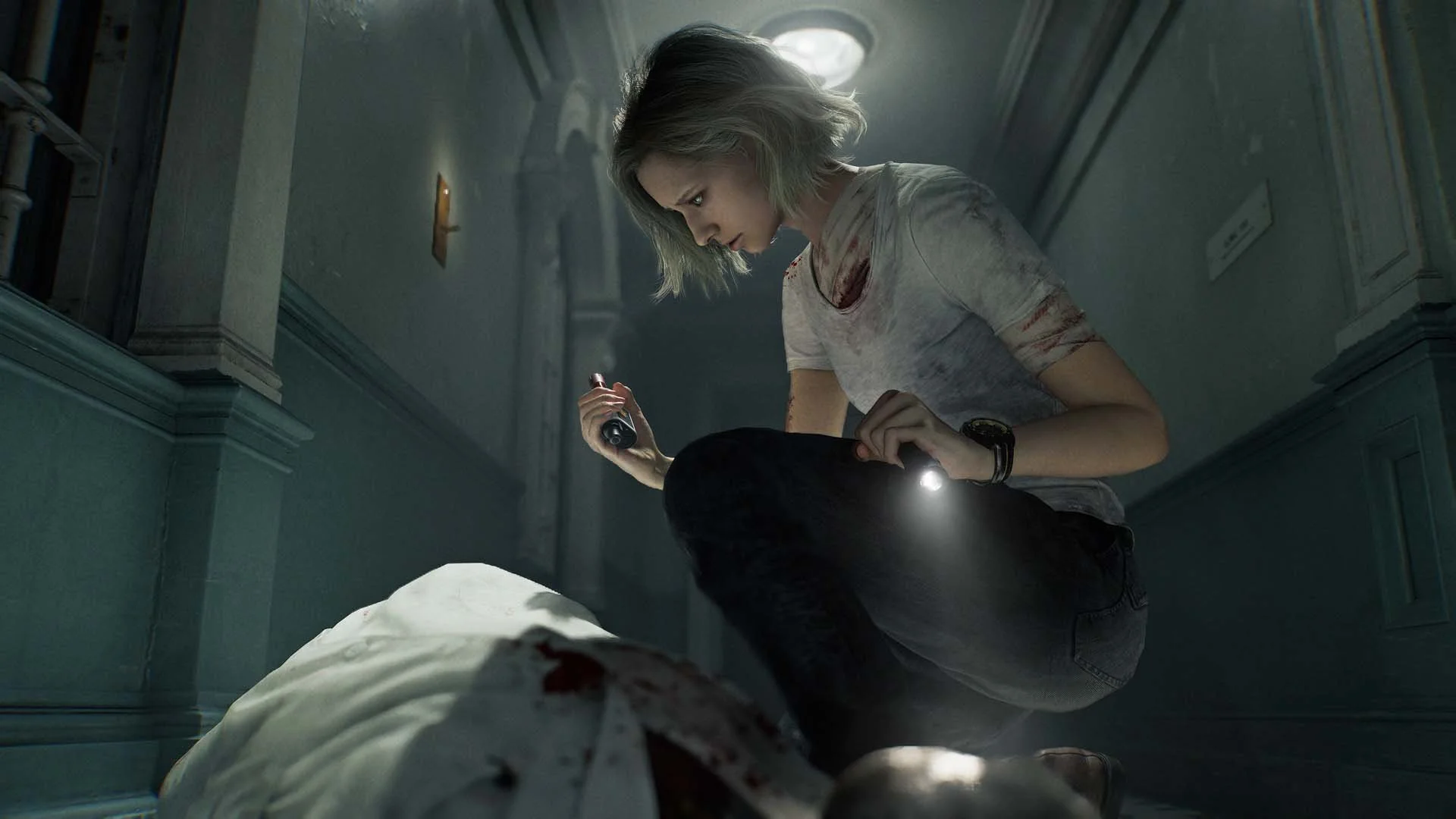
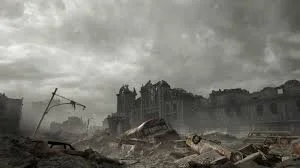
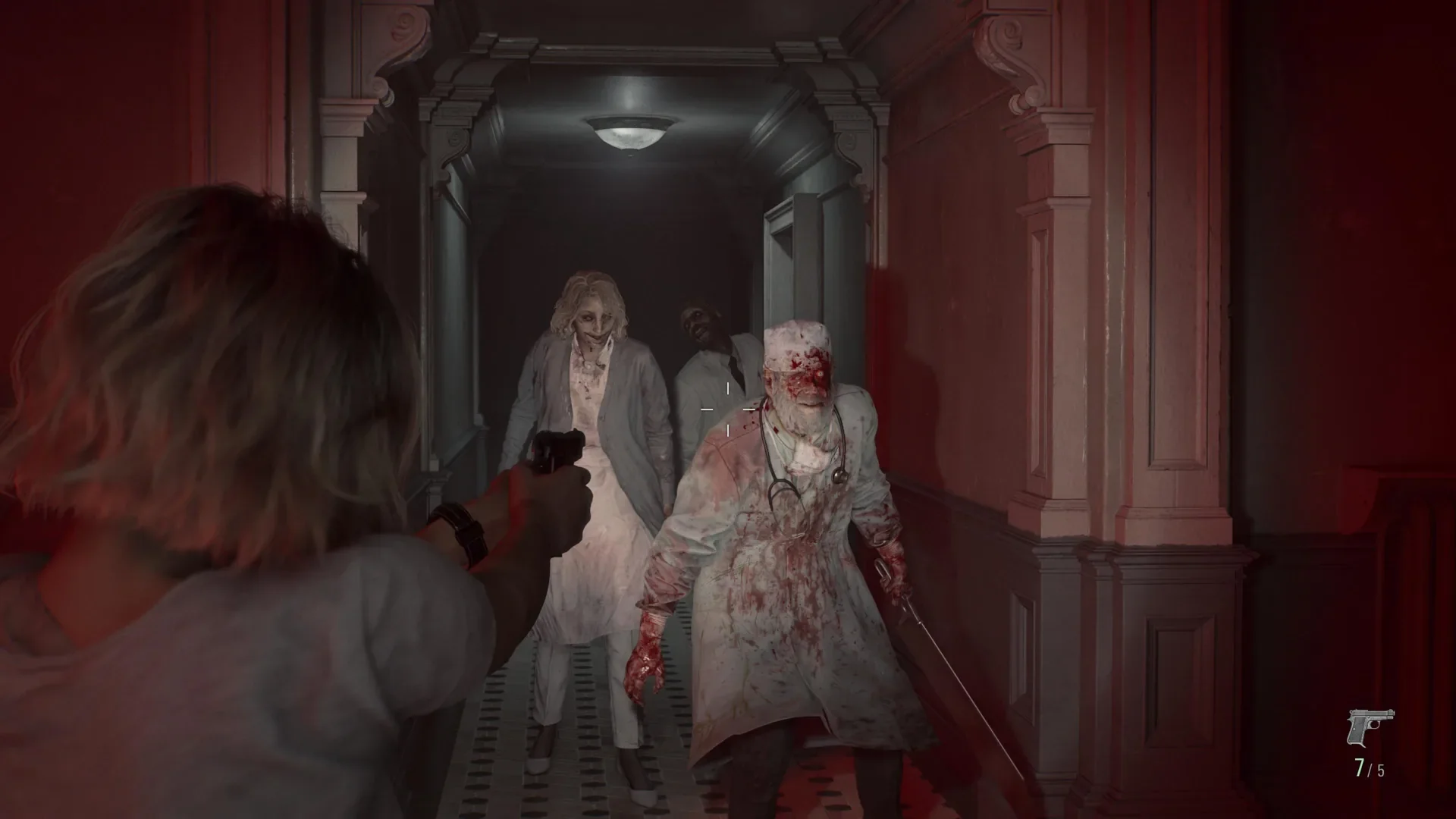
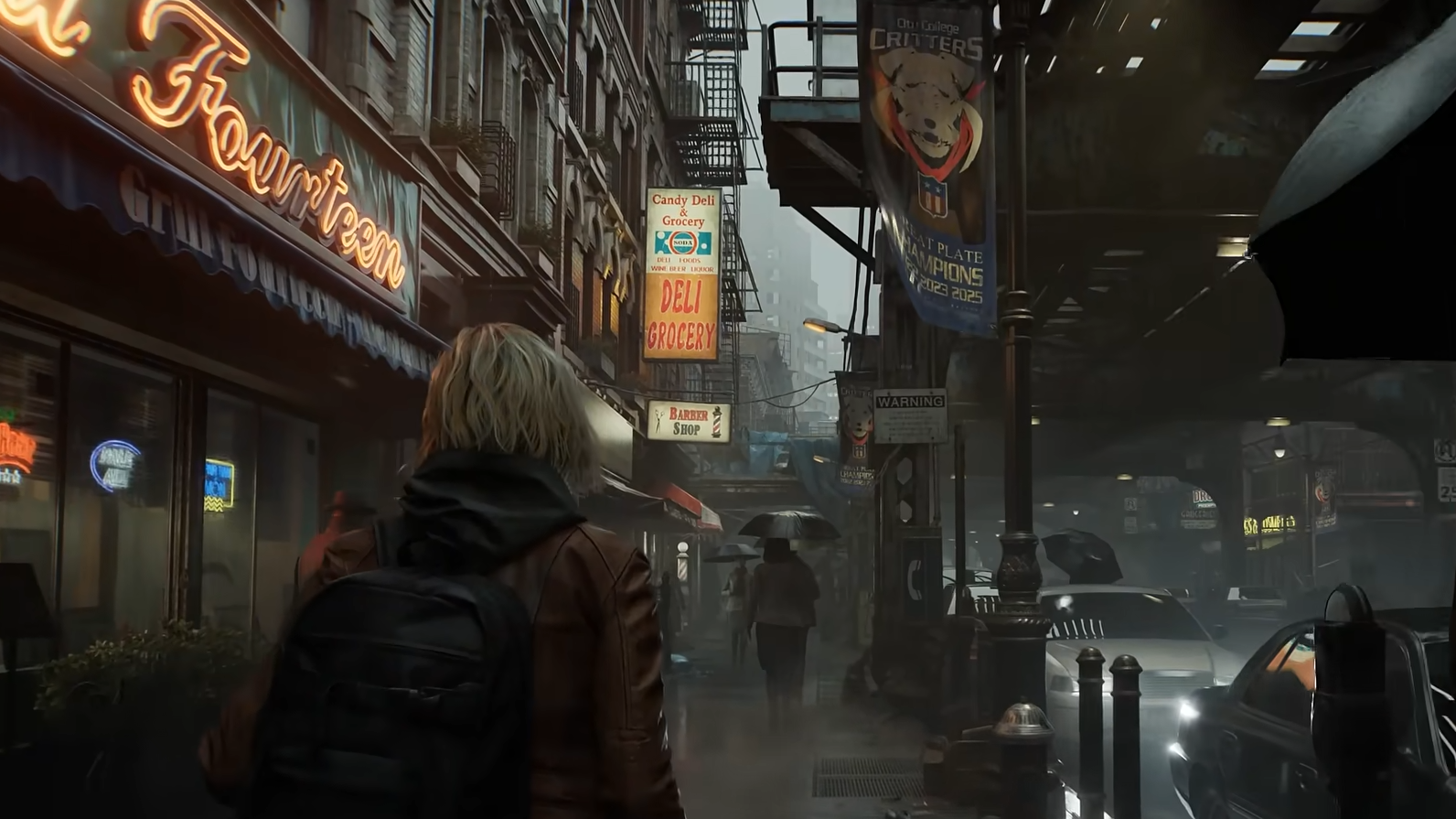
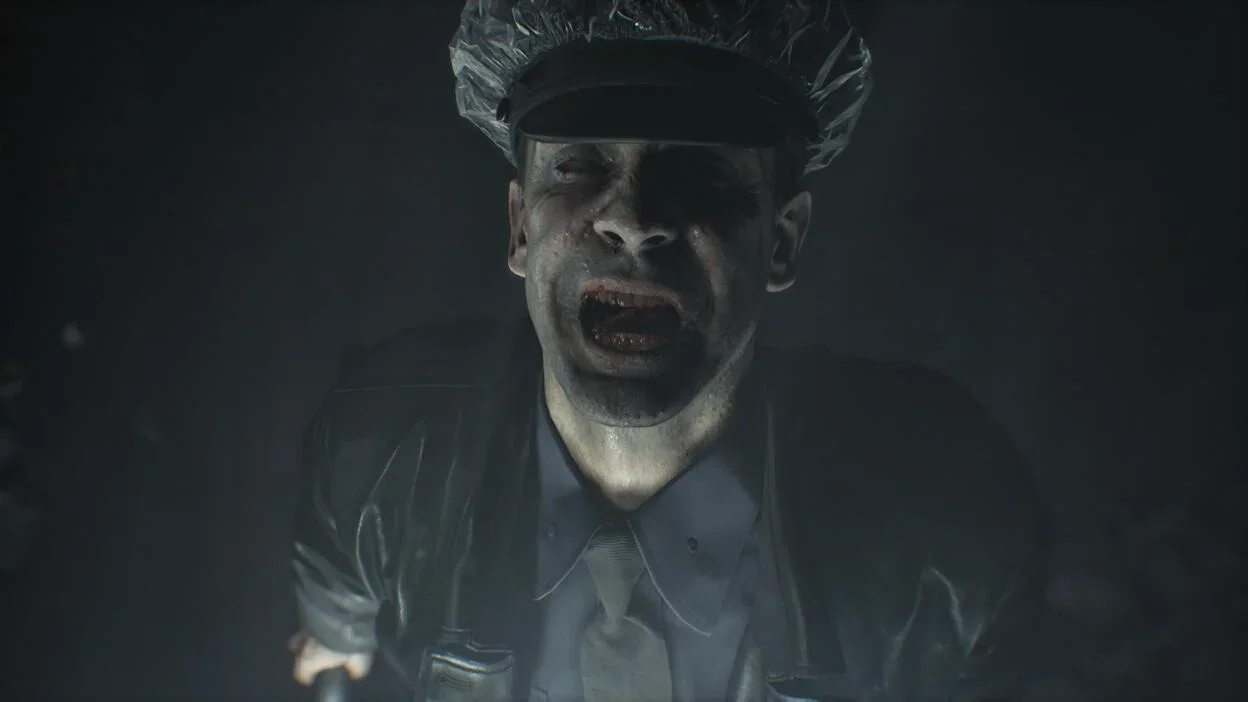
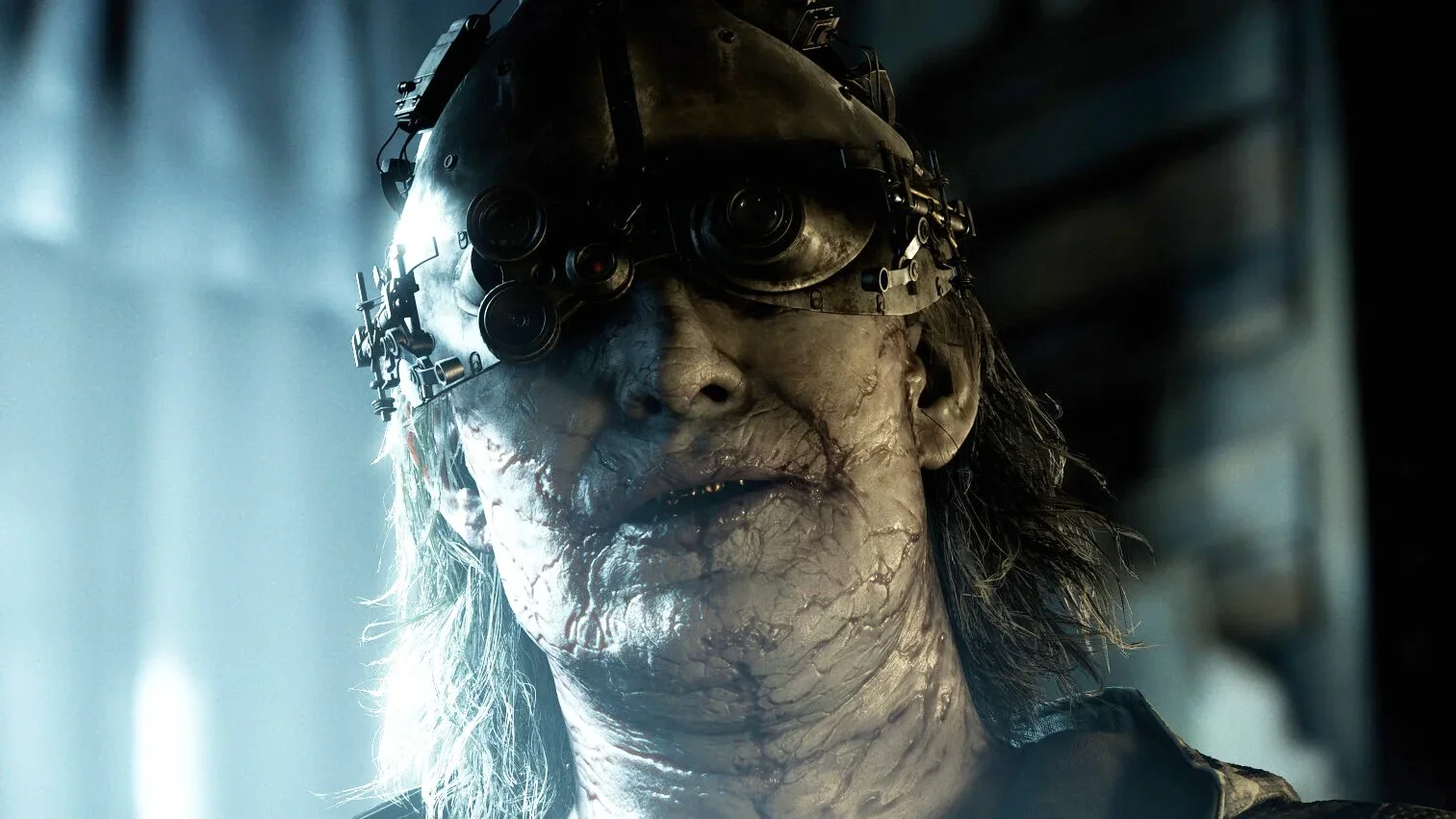
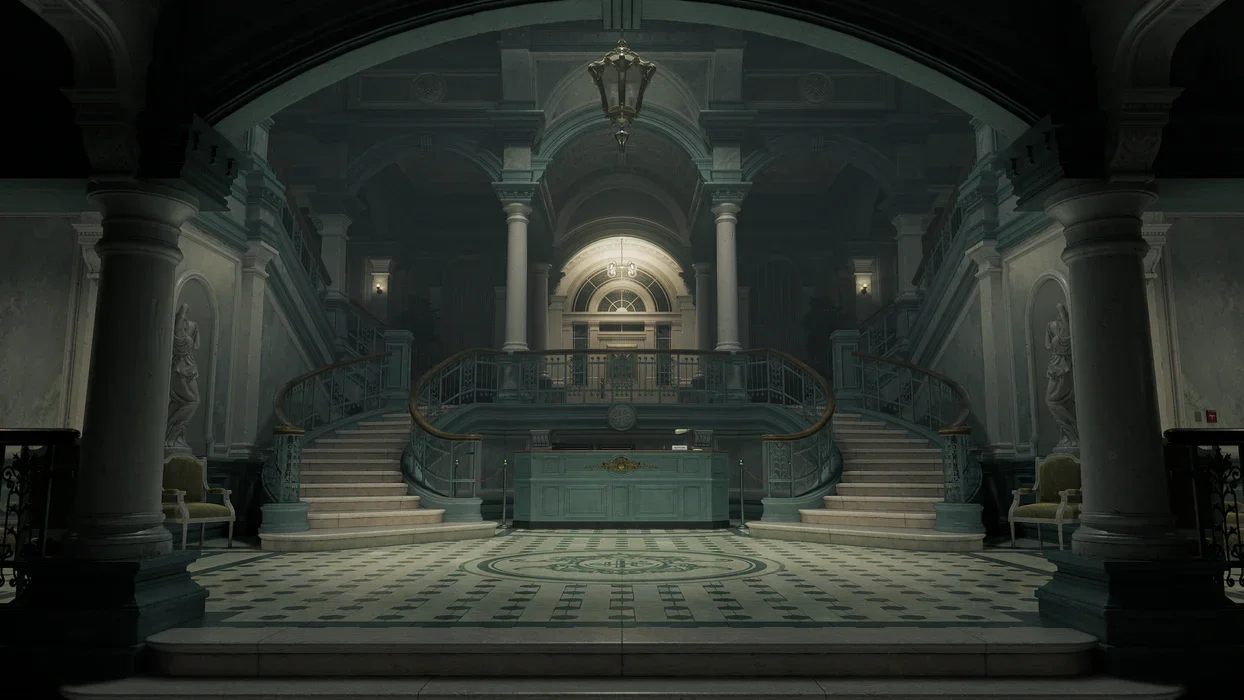
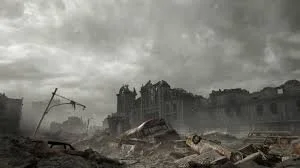
I also think the atmosphere and visual language deserve more attention than they usually get in feature previews. Requiem appears to lean into a colder, more clinical, more decayed kind of horror than some of the series’ louder entries. That matters because it reinforces Grace’s side of the experience especially well. Her investigation-heavy role naturally benefits from spaces that feel abandoned, secretive, and emotionally contaminated rather than simply overrun. Leon’s sections, by contrast, seem to bring more motion and confrontation into those same oppressive spaces. That kind of tonal push and pull can be really effective if Capcom maintains it throughout the game. This reading is interpretive, but it is supported by the official emphasis on dual protagonists, investigations, puzzles, and alternating play styles.
Gameplay is where I think Requiem may end up really winning people over. One of the smartest confirmed features is the ability to freely switch between first-person and third-person views. That is not just a nice accessibility option or a fun toggle. To me, it says something much bigger about how Capcom understands the audience for this series. Some players want that up-close panic and immediacy that first-person horror brings. Others want the awareness, framing, and movement language of third-person Resident Evil. Giving players both feels like Capcom acknowledging that there is no one “correct” way to experience this franchise anymore.
And beyond that, the official gameplay framing makes it sound like Capcom is very intentionally blending survival horror and action instead of choosing one over the other. Grace’s presence supports the more investigative, puzzle-driven, resource-conscious side of the experience, while Leon’s sections reportedly lean into the heavier action and crowd-control style that fans loved in Resident Evil 4. I actually think that design philosophy is one of the best things this game has going for it. Resident Evil fans are always debating whether the series is better when it is slow and horrifying or when it is explosive and aggressive. Requiem looks like it is trying to answer that by saying it can be both, depending on who you are playing. That is not just good variety; that is smart pacing.
There are also a few smaller details that help round out the picture. On PS5, Capcom is using DualSense haptics and adaptive triggers to add another layer of immersion, which fits the game’s larger emphasis on tension and atmosphere. There is also a Digital Deluxe Edition with costumes, weapon skins, screen filters, charms, an audio pack, and extra in-game files, including Grace’s Dimitrescu outfit. Those details are not central to whether the game succeeds artistically, but they do reinforce the idea that Capcom is treating Requiem as a major event release rather than a quiet follow-up.

If I had one cautious thought, it is that balancing two protagonists with two distinct tones is harder than it sounds. If one side of the game is noticeably stronger than the other, the overall rhythm could feel uneven. Grace has to be compelling enough that players do not just want to rush back to Leon, and Leon has to feel meaningful enough that he does not come off like a legacy cameo with better weapons. Still, based on the official framing so far, Capcom seems very aware of that risk and is actively designing around it through contrast, pacing, and player choice.
The soundtrack is another piece worth mentioning, even if we do not yet have the same kind of broad music discussion from players that older Resident Evil titles now enjoy in retrospect. Capcom has officially released a 30-track Resident Evil Requiem Original Soundtrack, which signals that the music is being treated as a meaningful part of the game’s identity rather than just background tension. For a game trying to balance investigation, dread, action, and emotional fallout, that matters. Resident Evil music is often at its best when it quietly reinforces unease instead of overwhelming it, and Requiem feels like the kind of game that needs that restraint to work.
At this point, Resident Evil: Requiem feels like a game made by a developer and publisher who know exactly how much trust the Resident Evil name carries and how much pressure comes with it. Capcom is not just building a horror game here. They are building a game that has to stand beside decades of fan expectations, remake-era success, and one of gaming’s most recognizable survival horror legacies. The good news is that, so far, Requiem looks like it actually understands what made people fall in love with Resident Evil in the first place: fear, yes, but also character, memory, tension, and the terrible feeling that the past is never really dead.