Fatal Frame II: Crimson Butterfly REMAKE
Beautiful, haunting, and thoughtful — but that also means it invites comparison to a classic
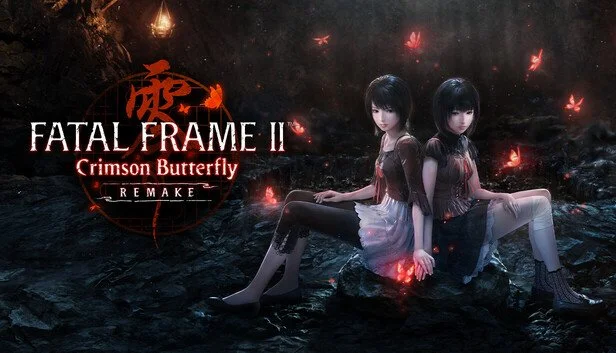
Fatal Frame II: Crimson Butterfly REMAKE is the kind of project that immediately comes with pressure attached to it, because the original Fatal Frame II is not just “a beloved horror game.” For a lot of people, it is one of the most atmospheric and emotionally unsettling horror games ever made. So when Koei Tecmo steps in as publisher and Team NINJA takes on development duties for a full remake, the conversation cannot just be about whether the remake is pretty or technically smoother. It has to be about whether it understands what made the original so haunting to begin with. Based on the official materials, it is clear the team was not trying to throw away the original’s identity. They have emphasized updated graphics, sound, and controls while preserving the core story and deepening the world with new content.
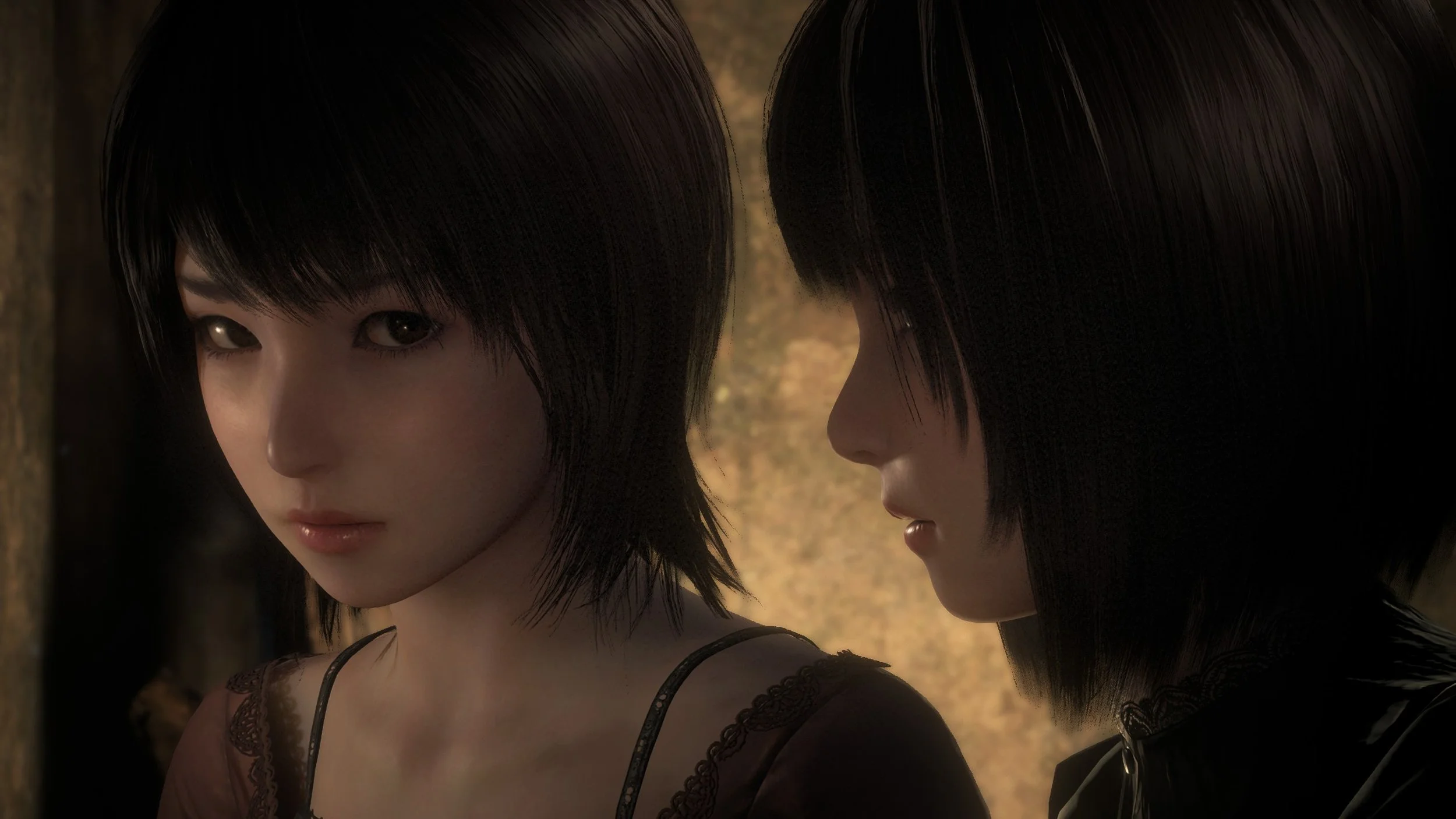
That is an important starting point, because Fatal Frame is not a series people love just because it has ghosts. People love it because of how intimate and suffocating it feels. The story of Mio and Mayu Amakura is still one of the strongest emotional cores in horror. You have a younger sister carrying guilt and protectiveness, and an older sister who is physically vulnerable, emotionally distant, and increasingly pulled into something supernatural. The remake keeping that structure was absolutely the right move. The relationship between Mio and Mayu has always been the beating heart of Crimson Butterfly. Without that emotional bond, the village is still creepy, but it loses the tragedy that makes it linger.
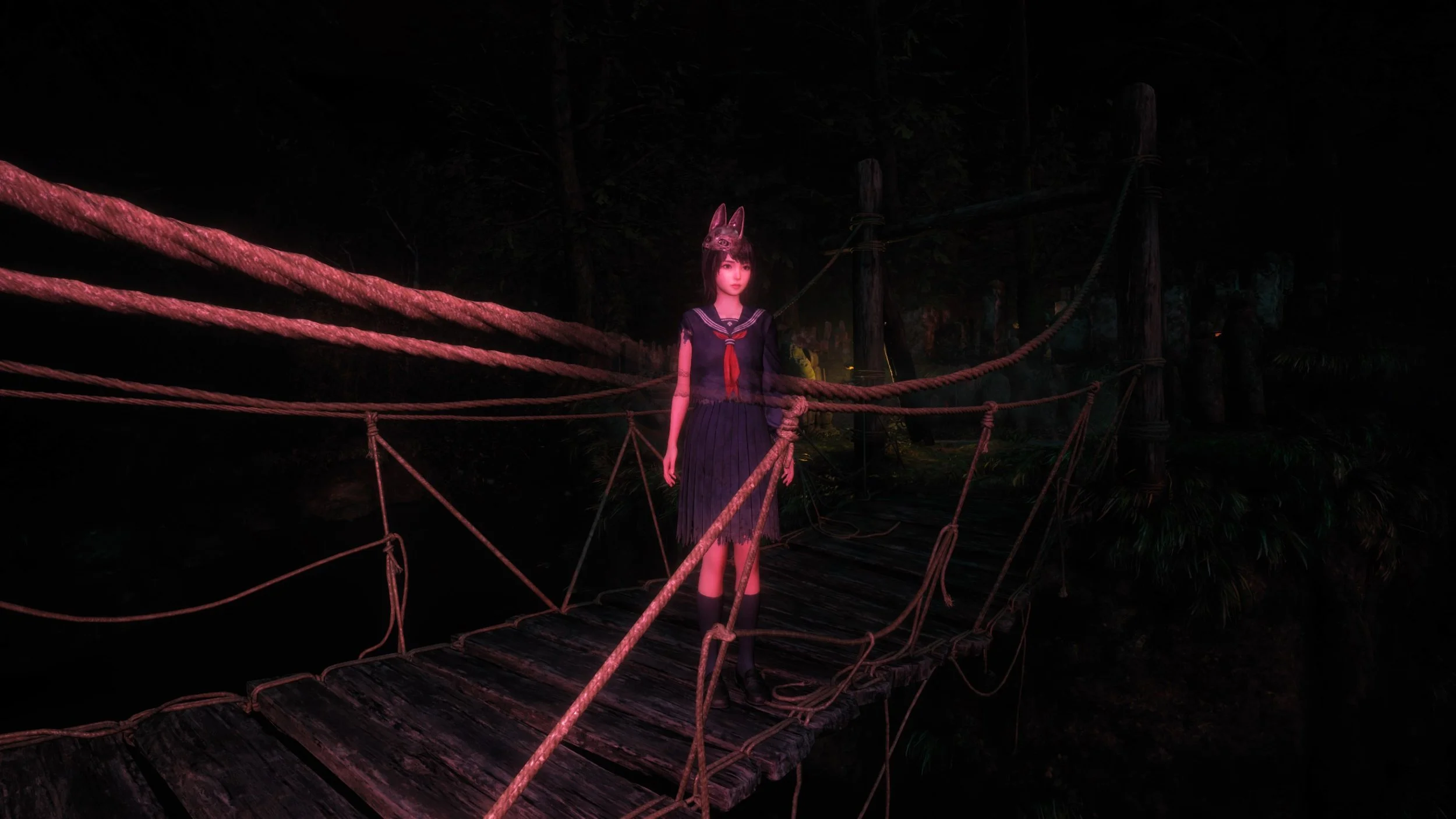
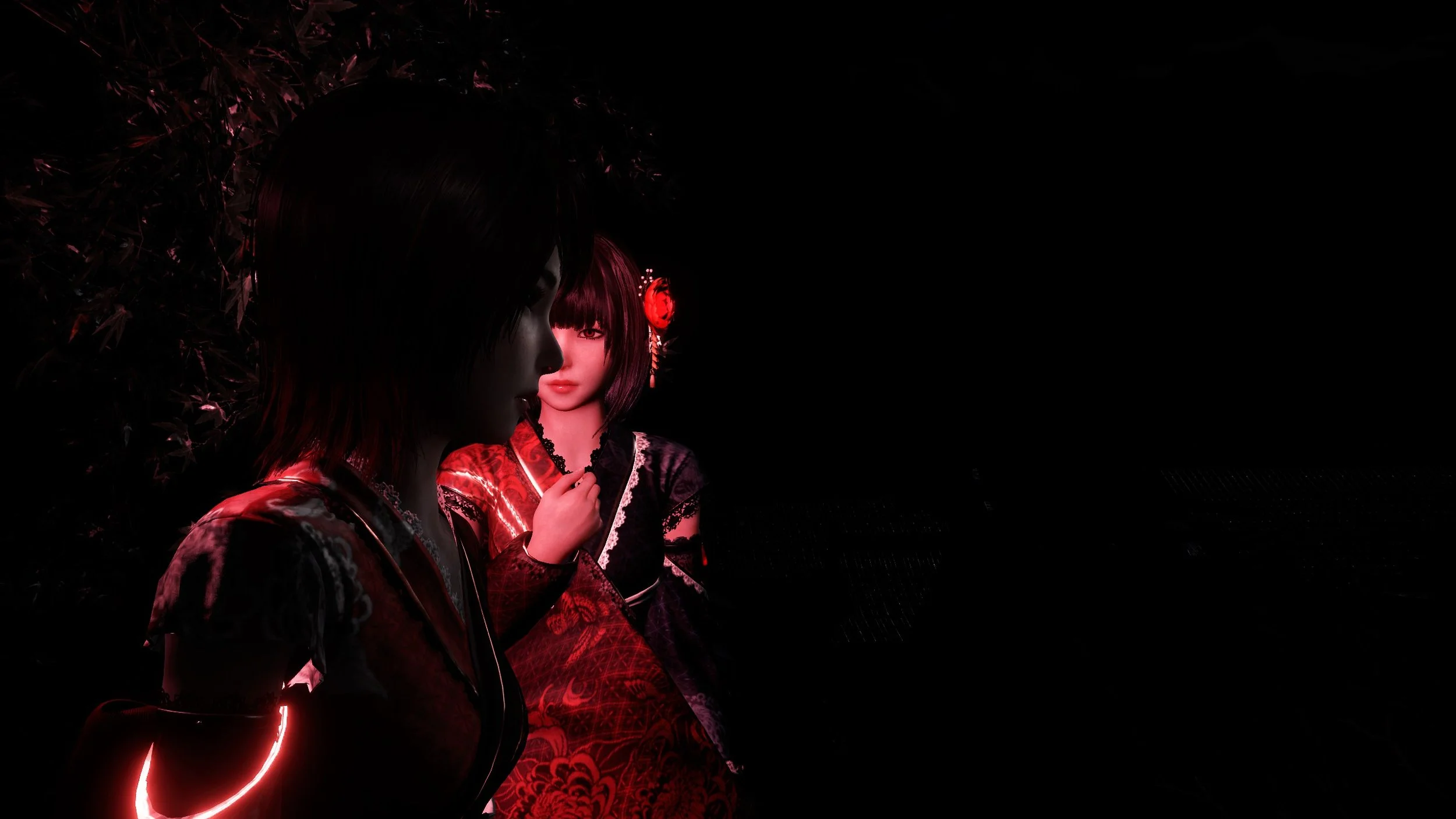
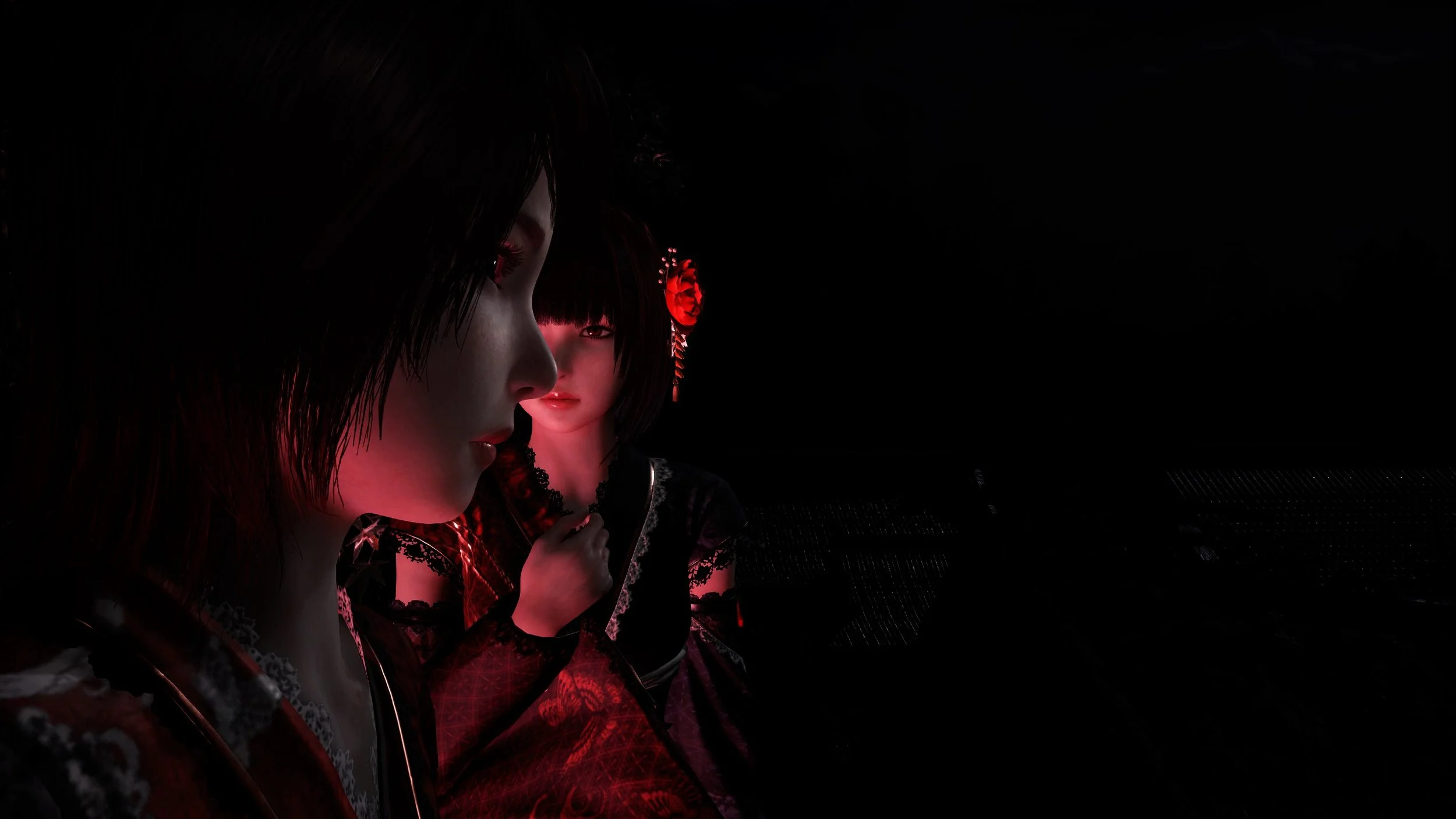
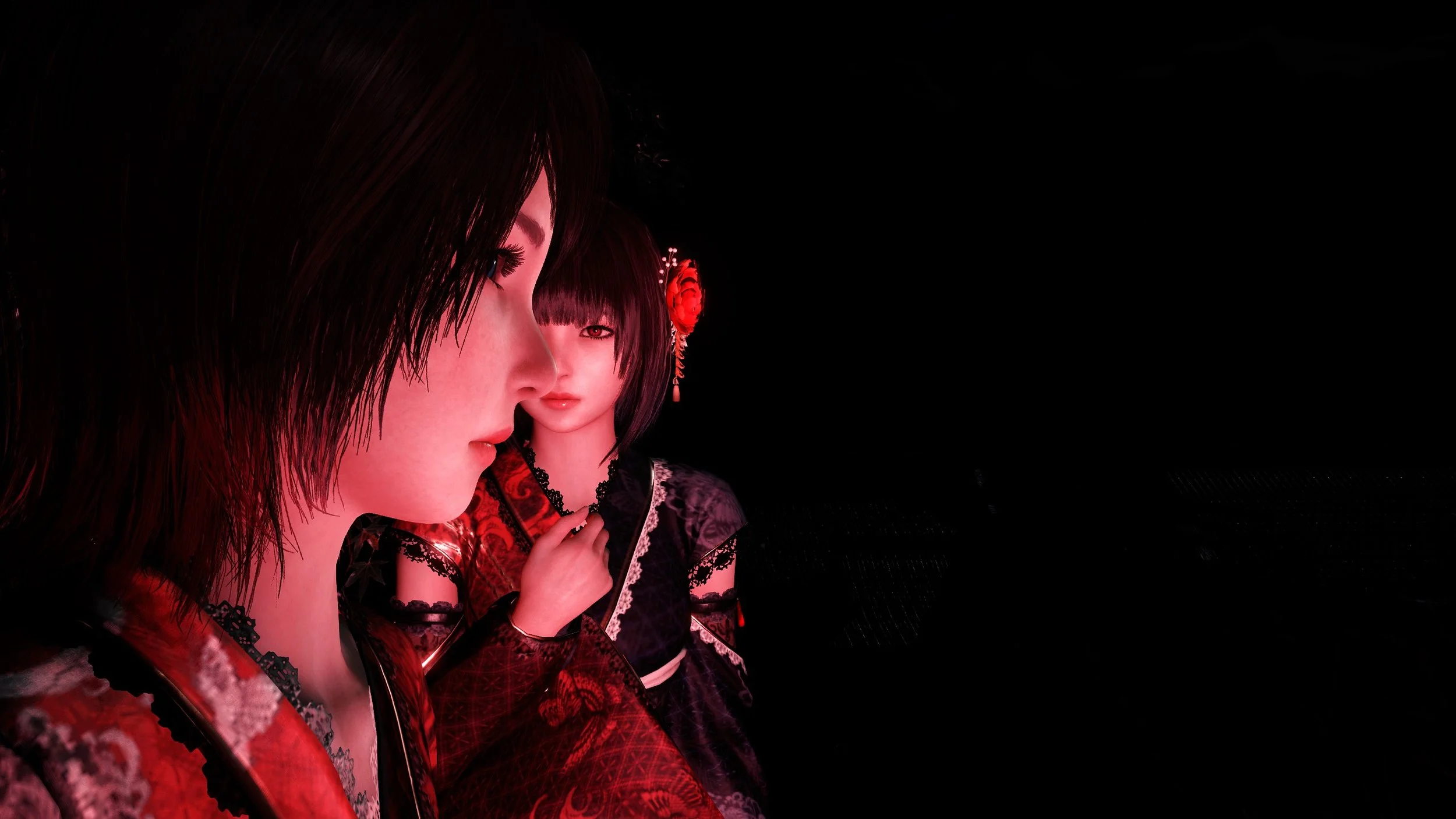
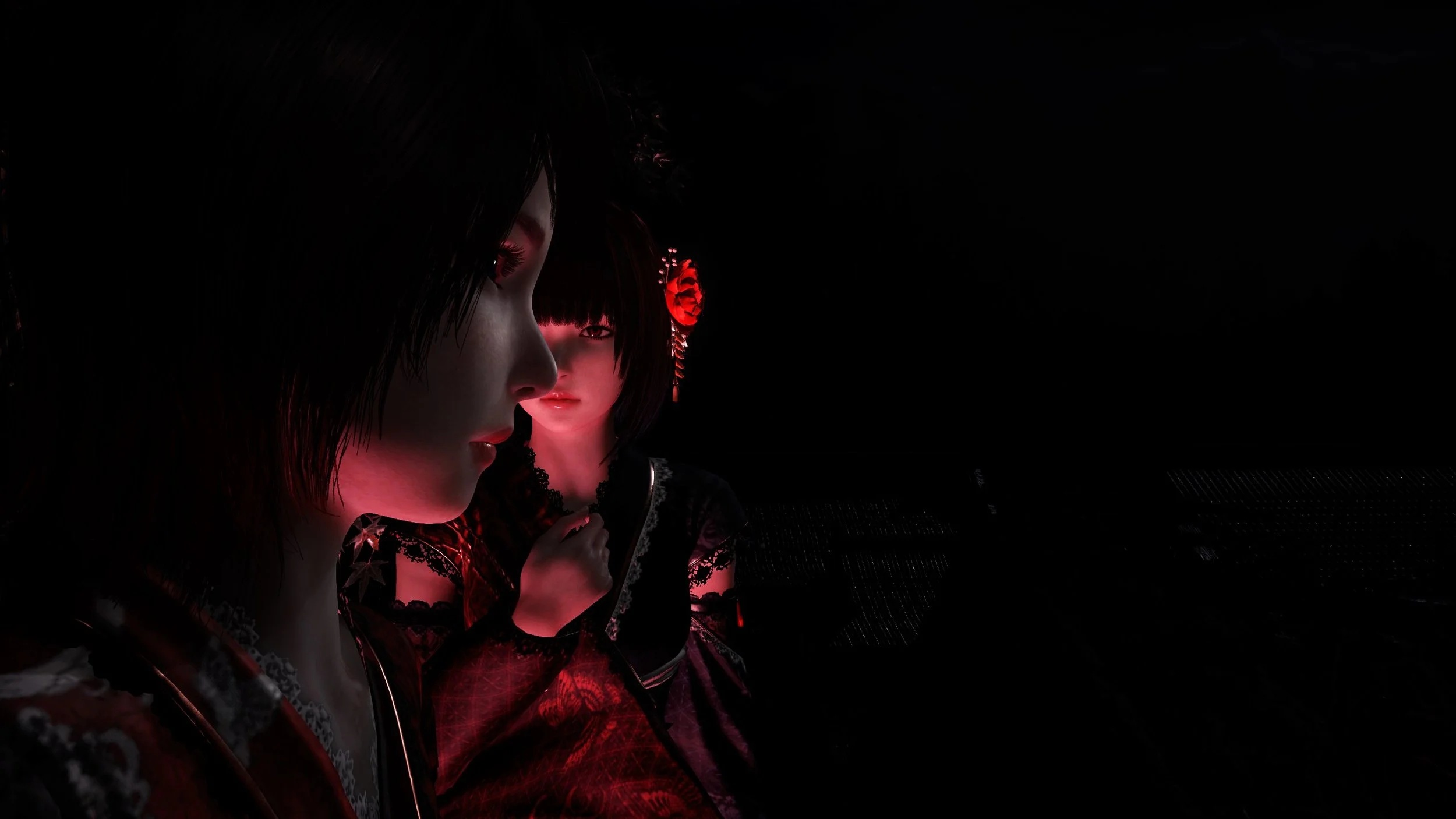
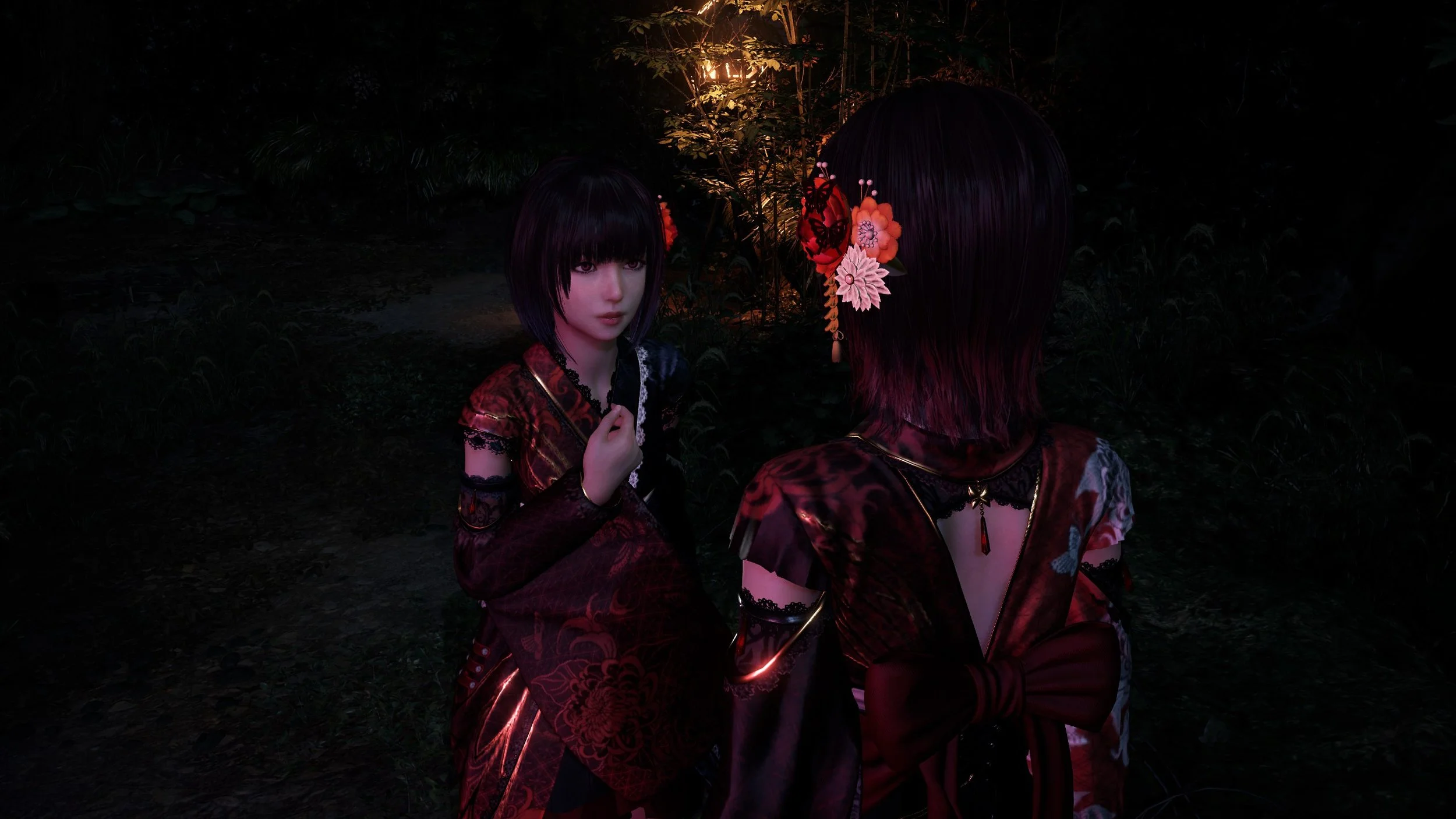
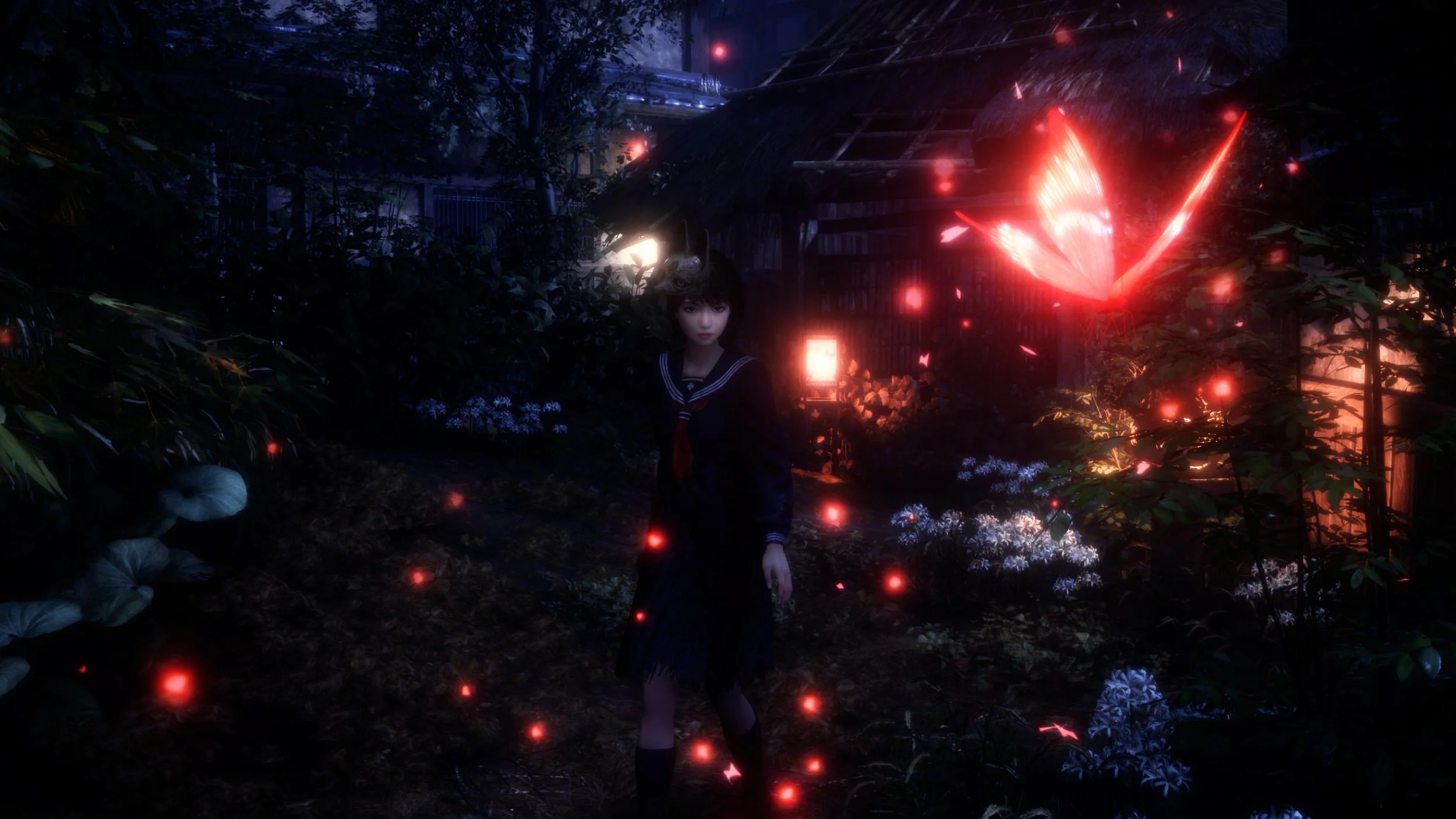
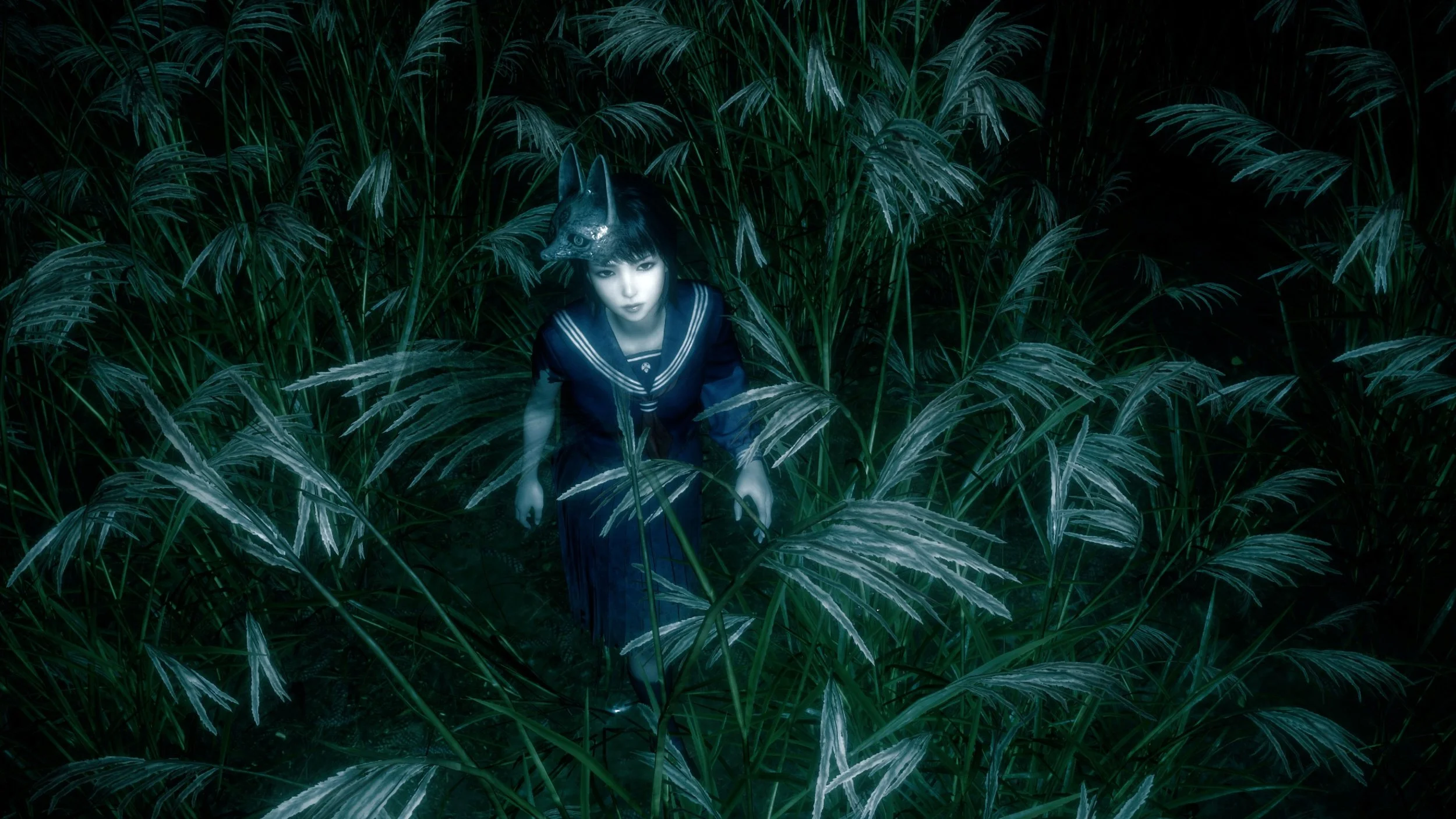
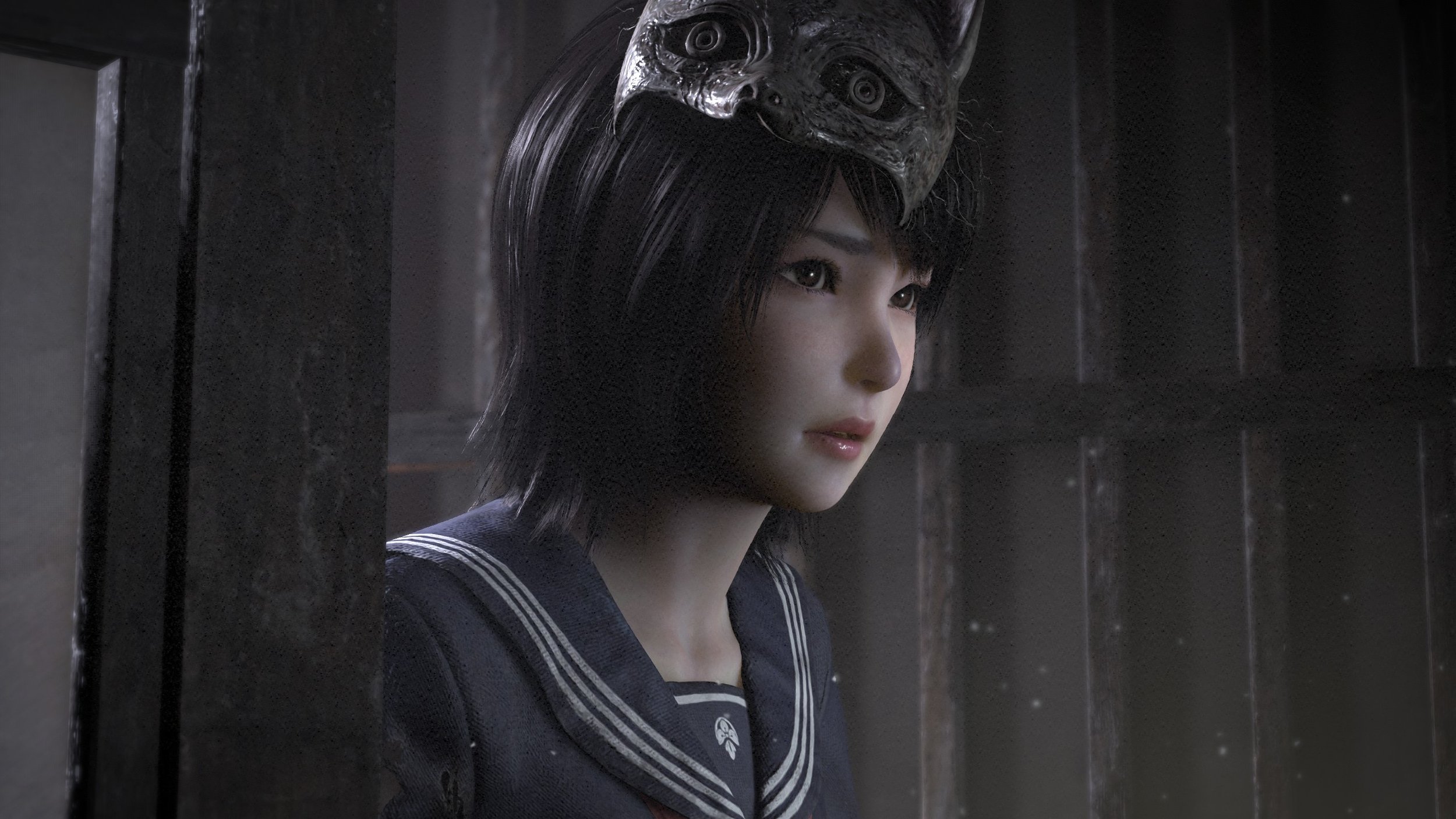
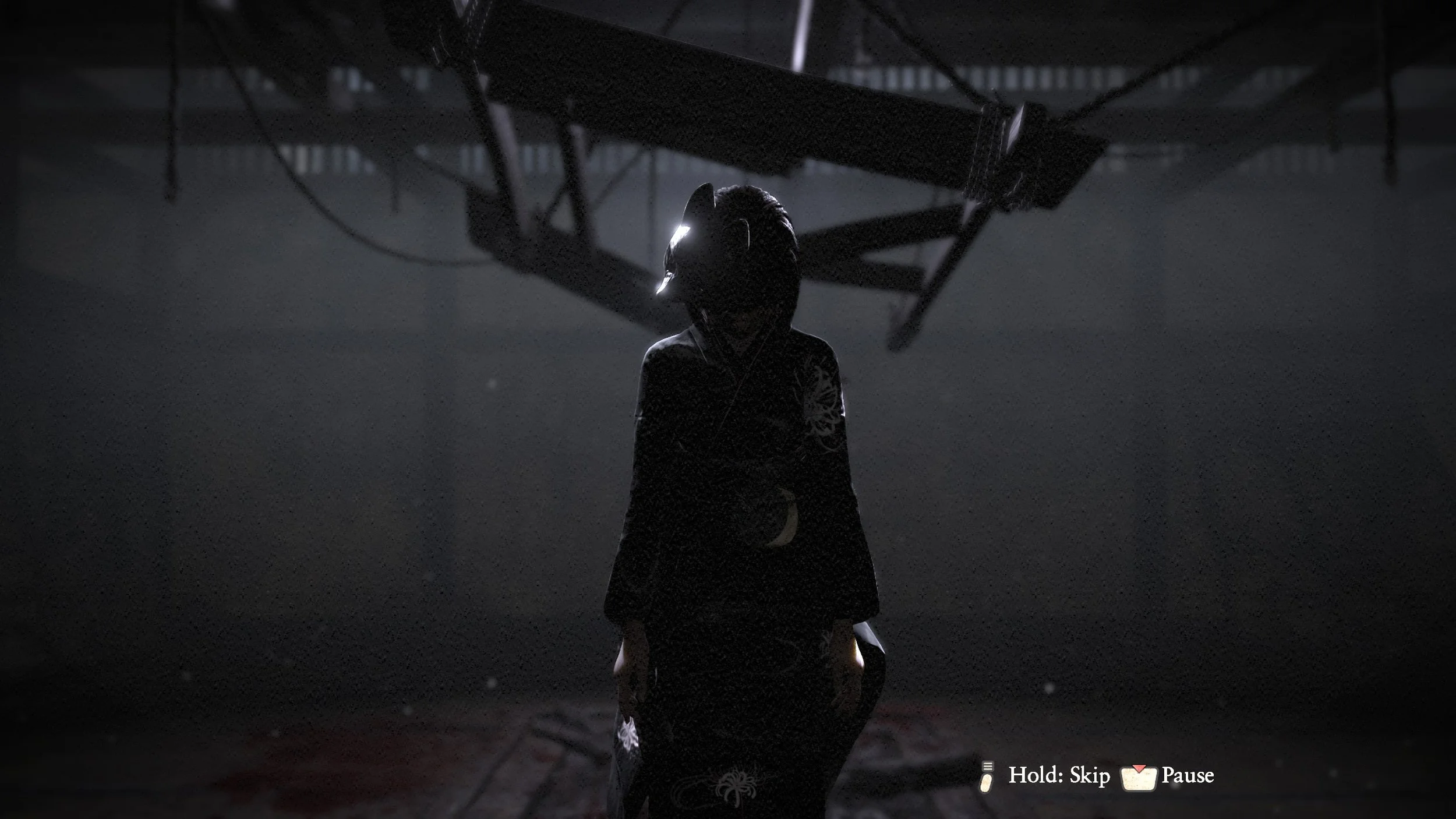
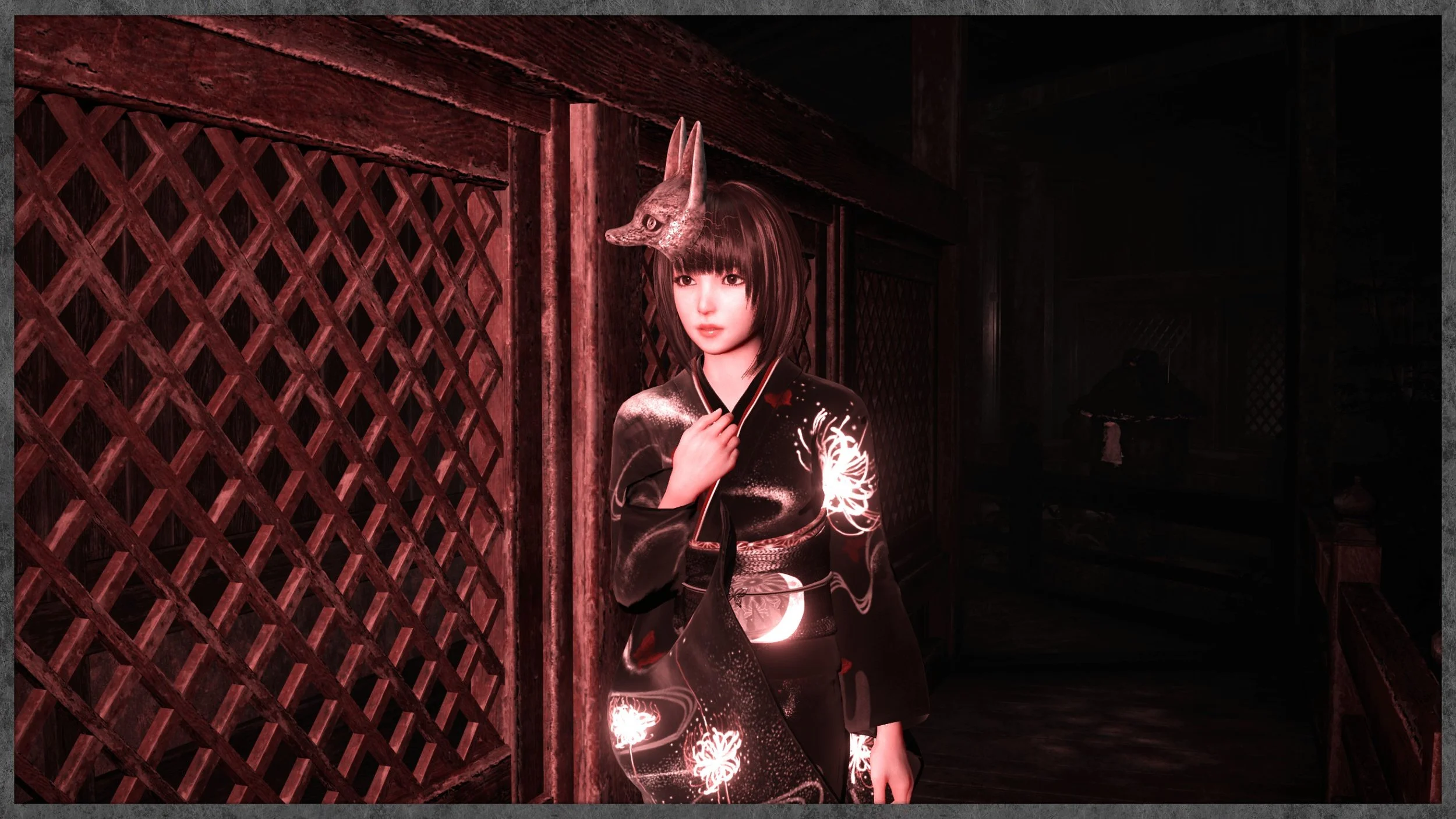
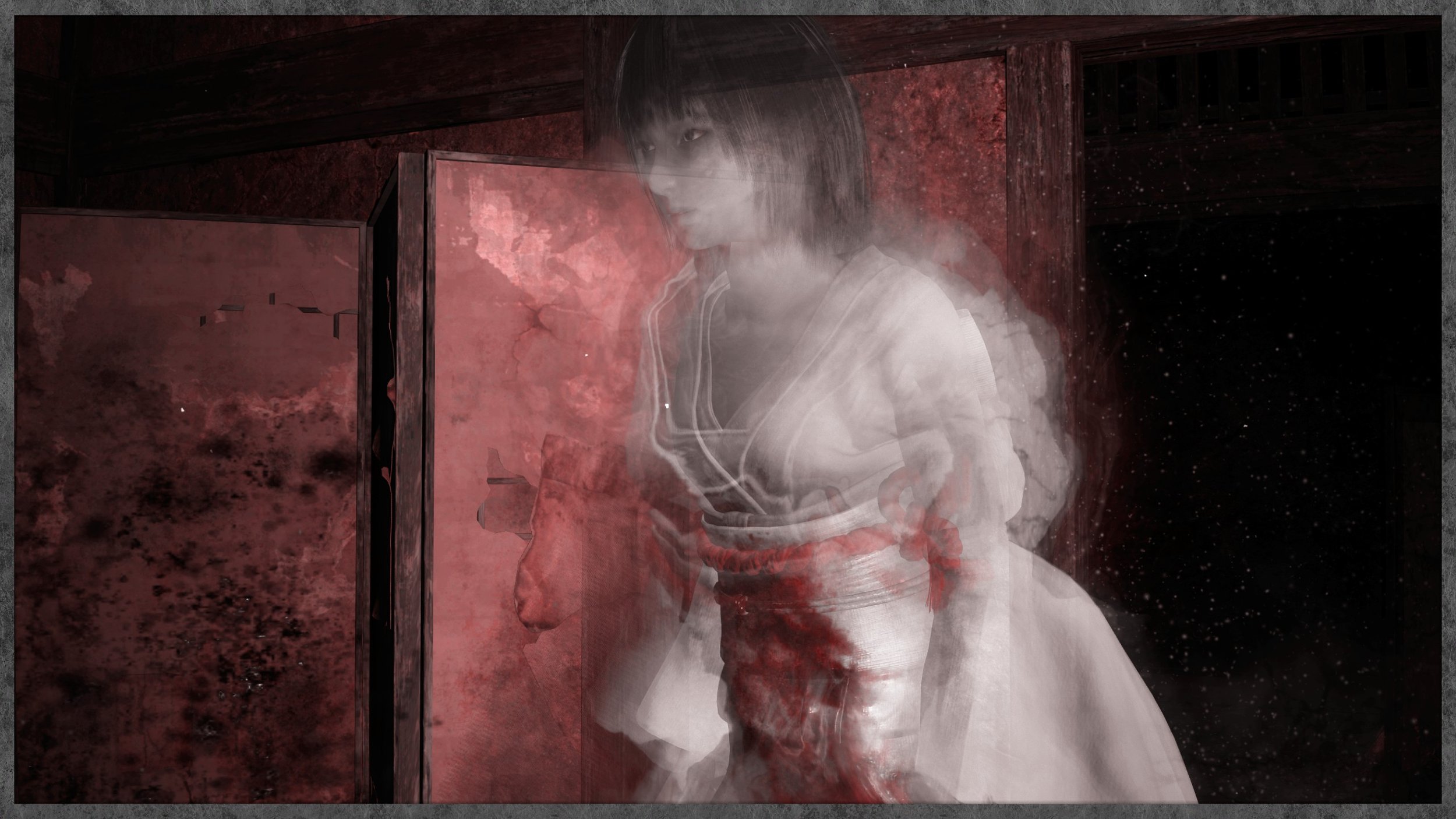
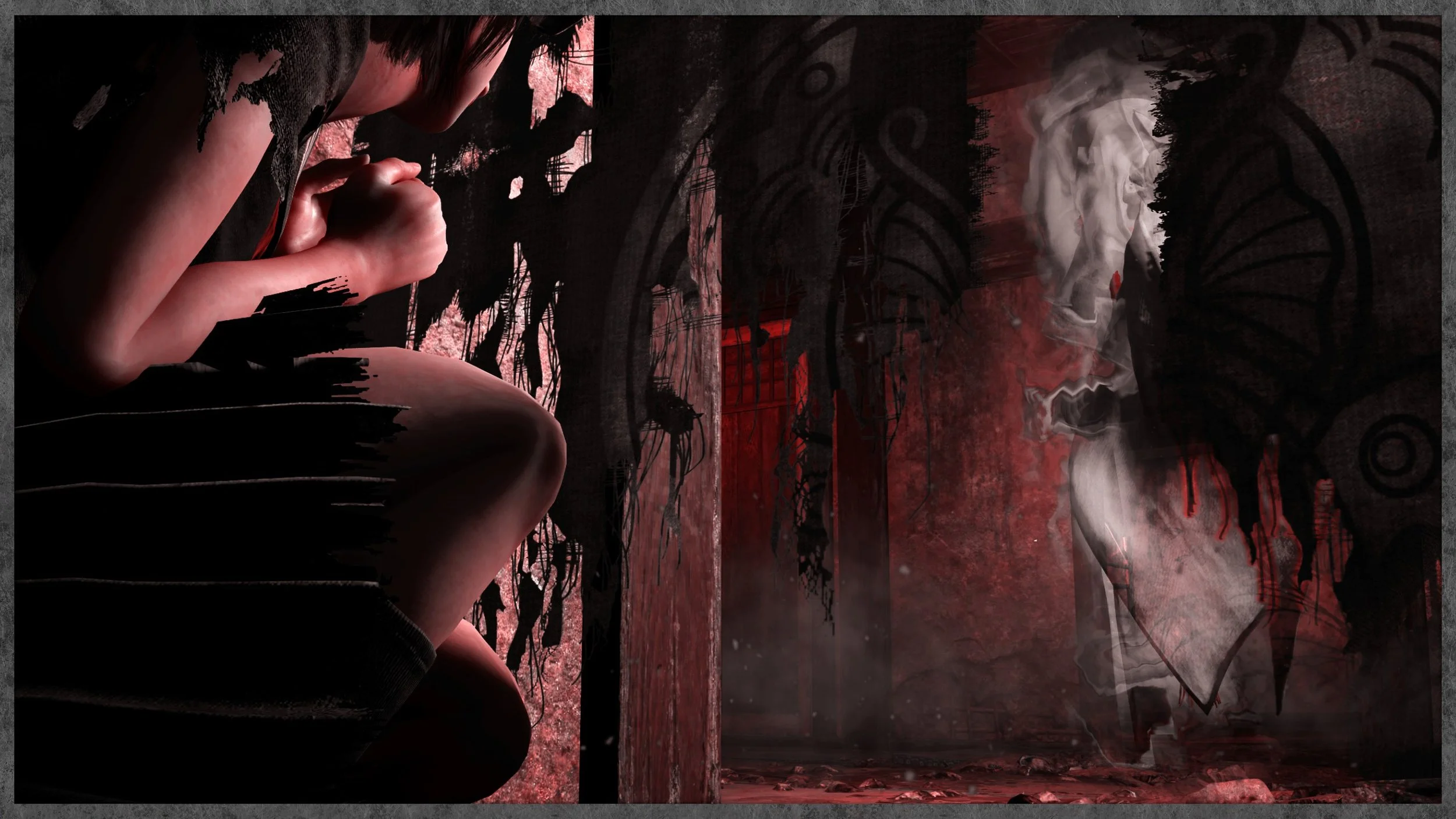
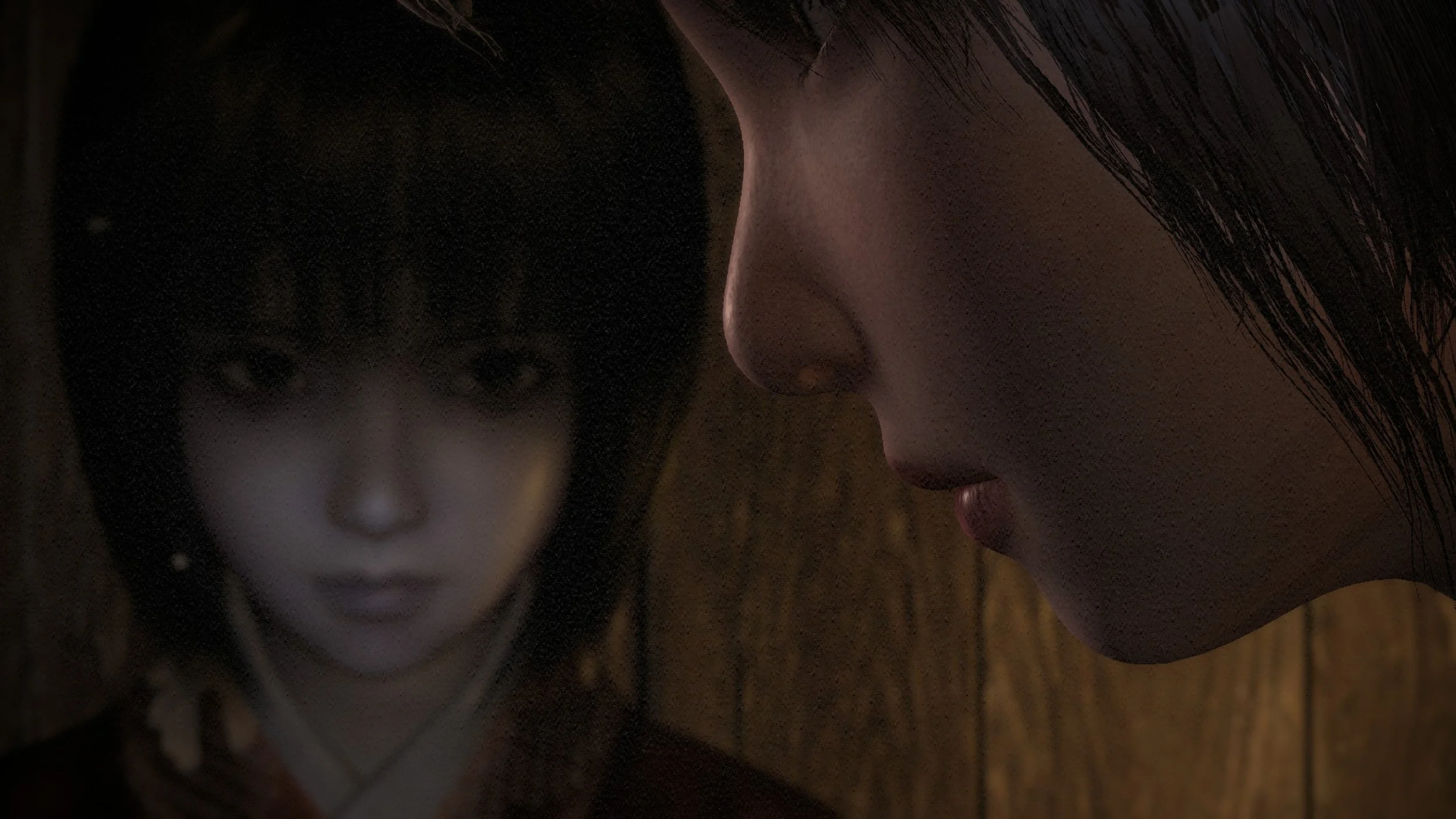
Character design is one of the areas where this remake has real potential. Mio and Mayu were always strong not because they looked larger-than-life, but because they felt fragile, human, and deeply tied to the story’s themes of guilt, dependence, sacrifice, and separation. That contrast still matters. Mio feels active and protective, while Mayu’s vulnerability and spiritual sensitivity make her feel more exposed to the village’s curse. They are not just sisters; they are two halves of the emotional tension that drives the entire story. That is a huge part of why their designs continue to work. The visual redesigns and upgraded character rendering also matter here, because the remake is clearly trying to make that emotional fragility more expressive rather than simply more photorealistic.
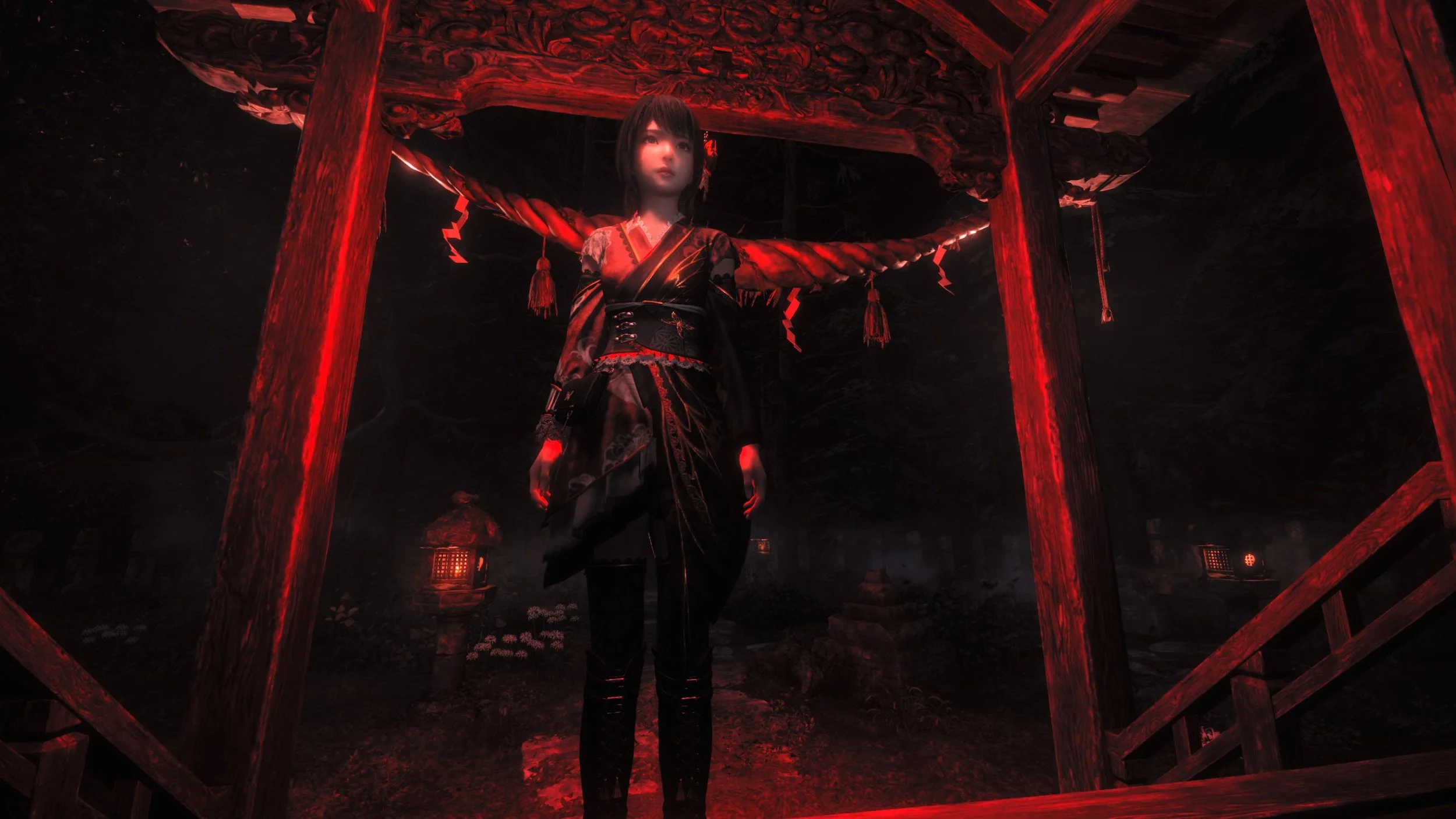
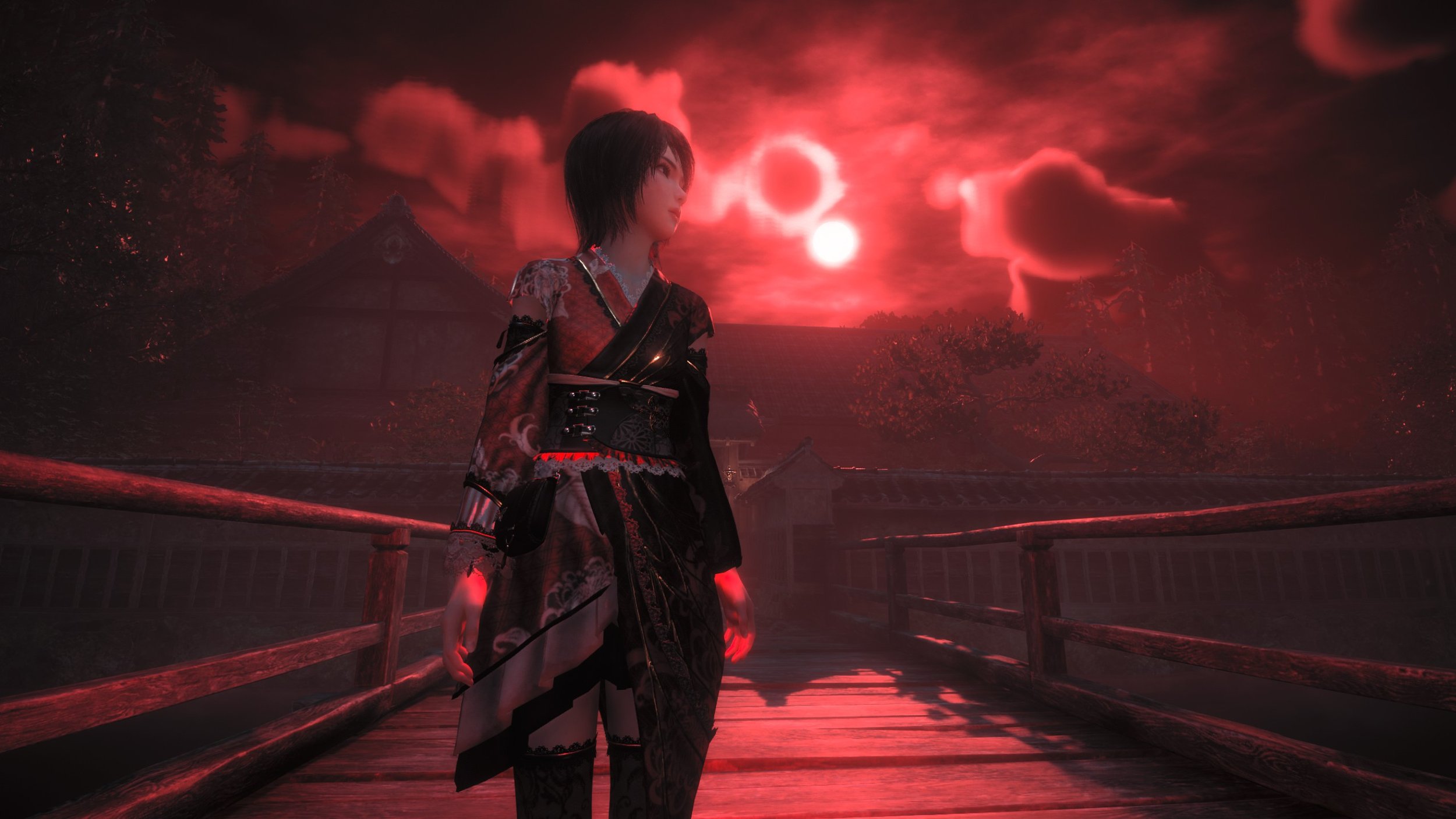
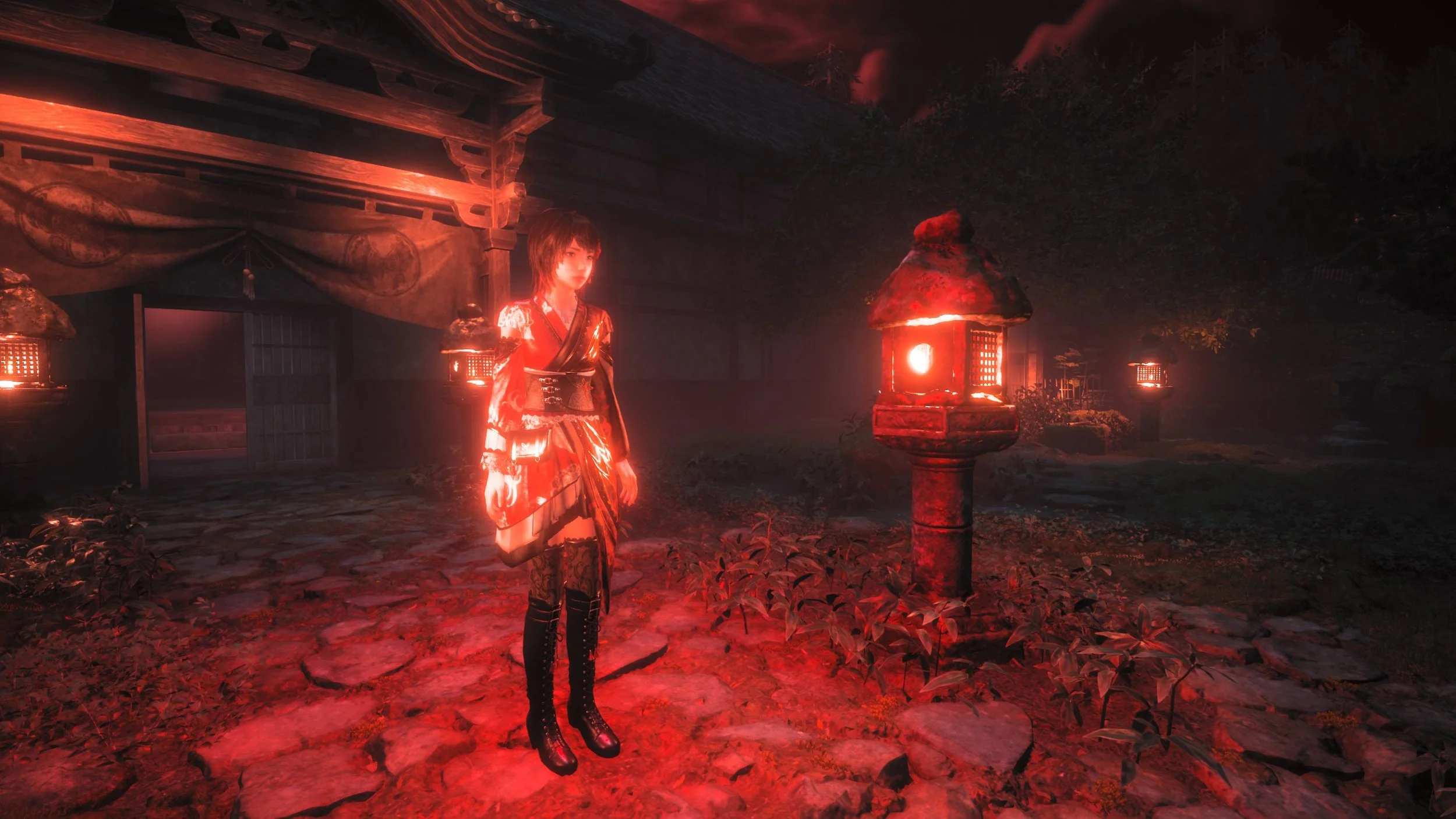
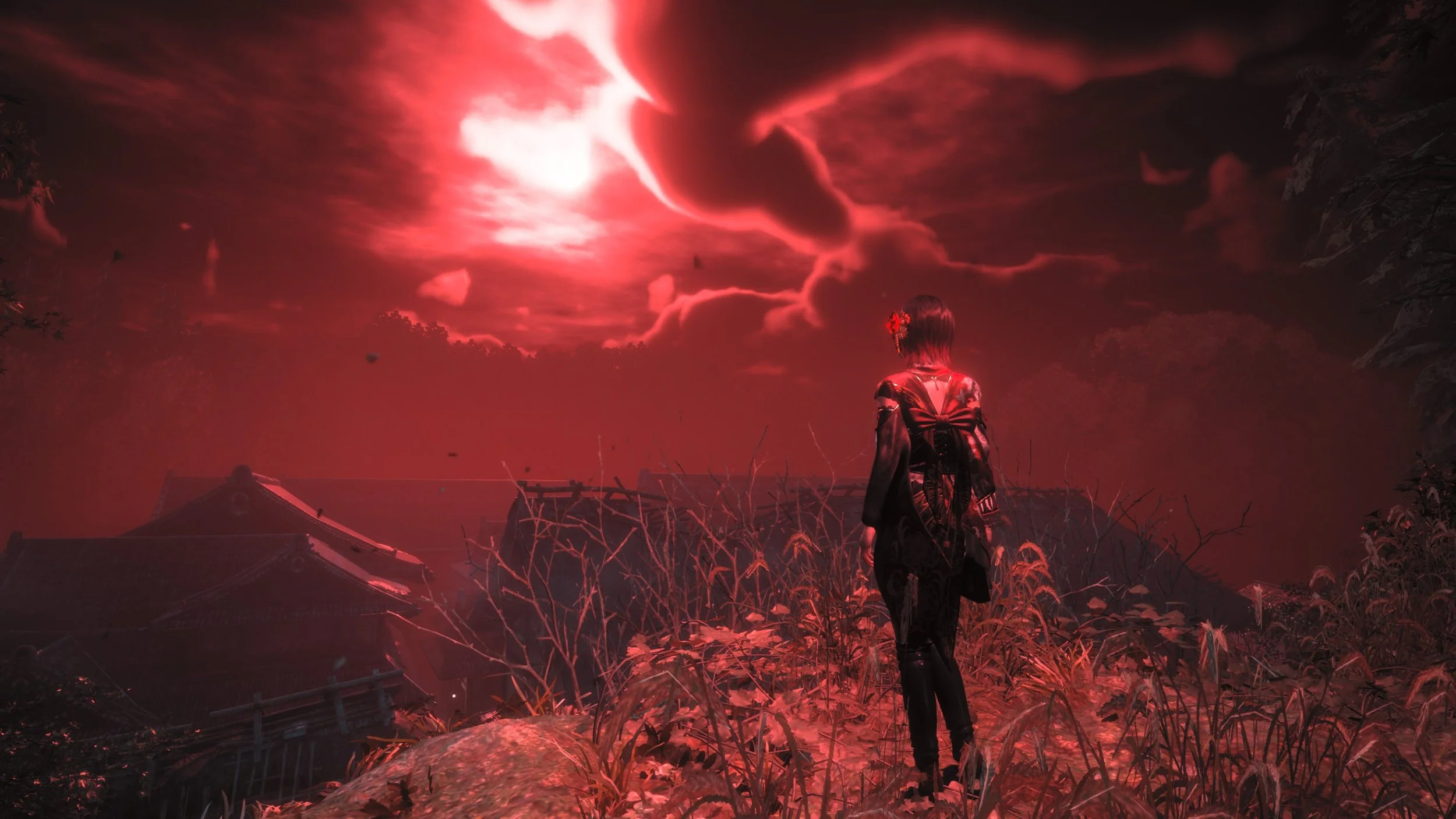
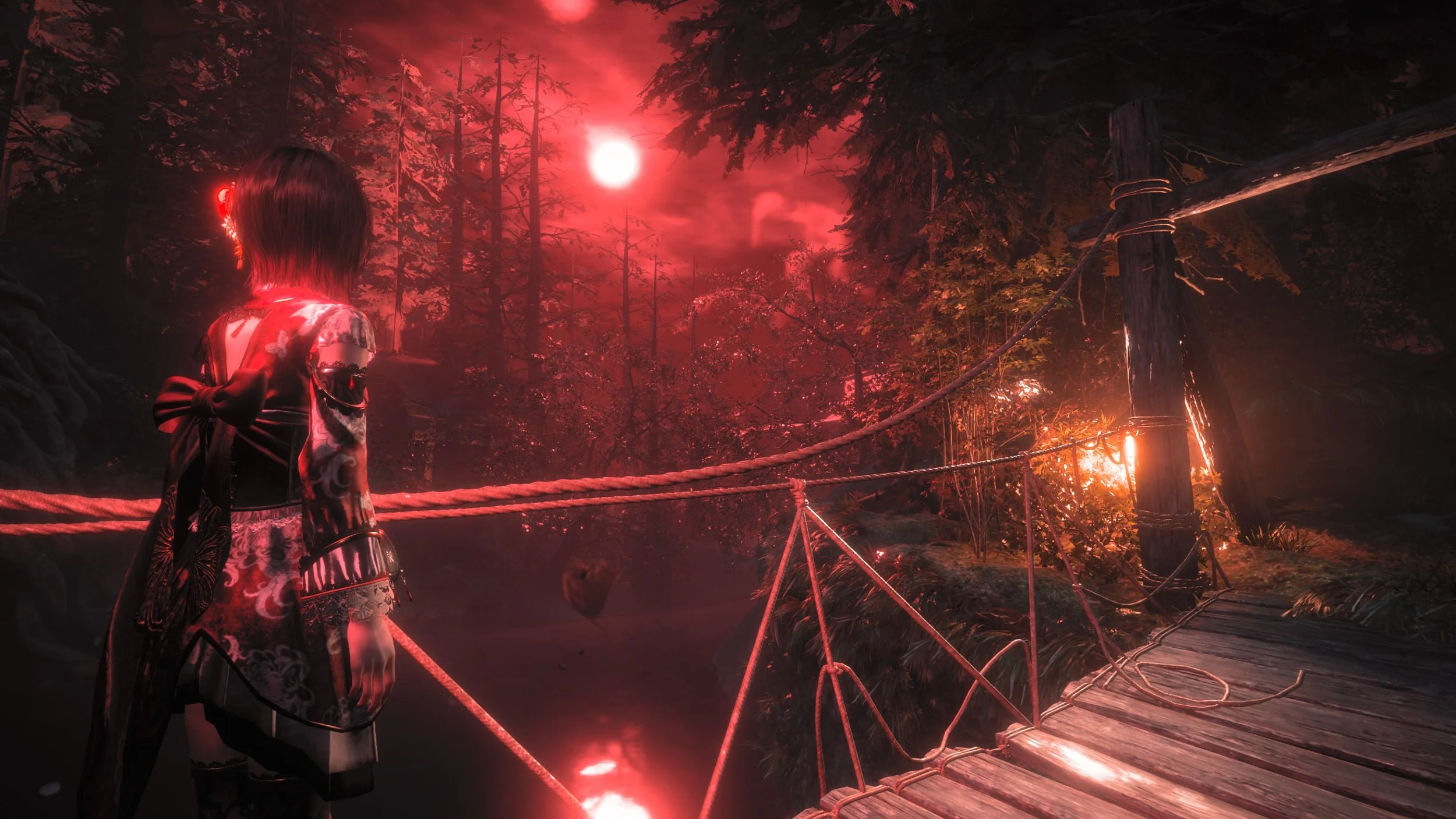
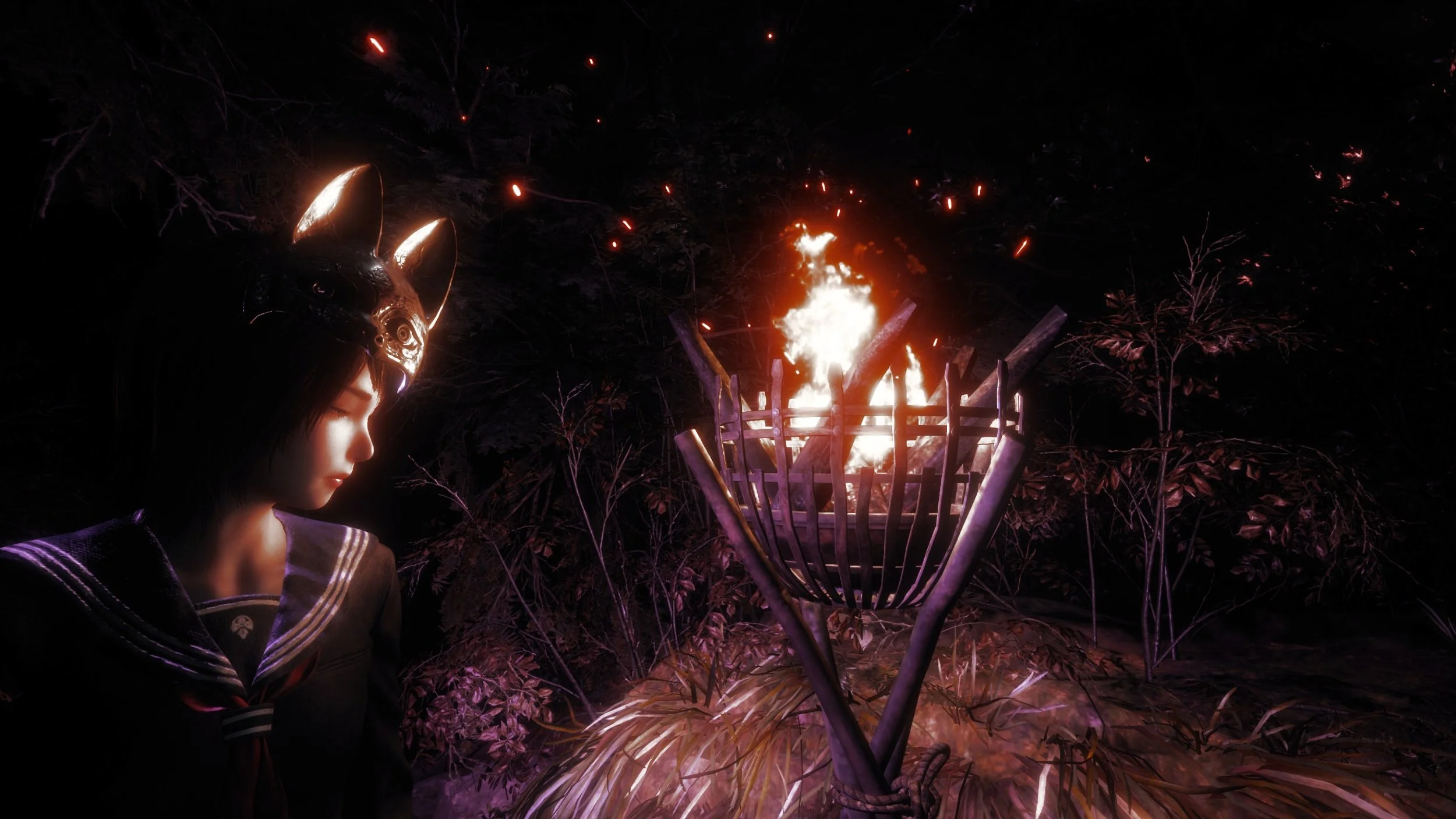
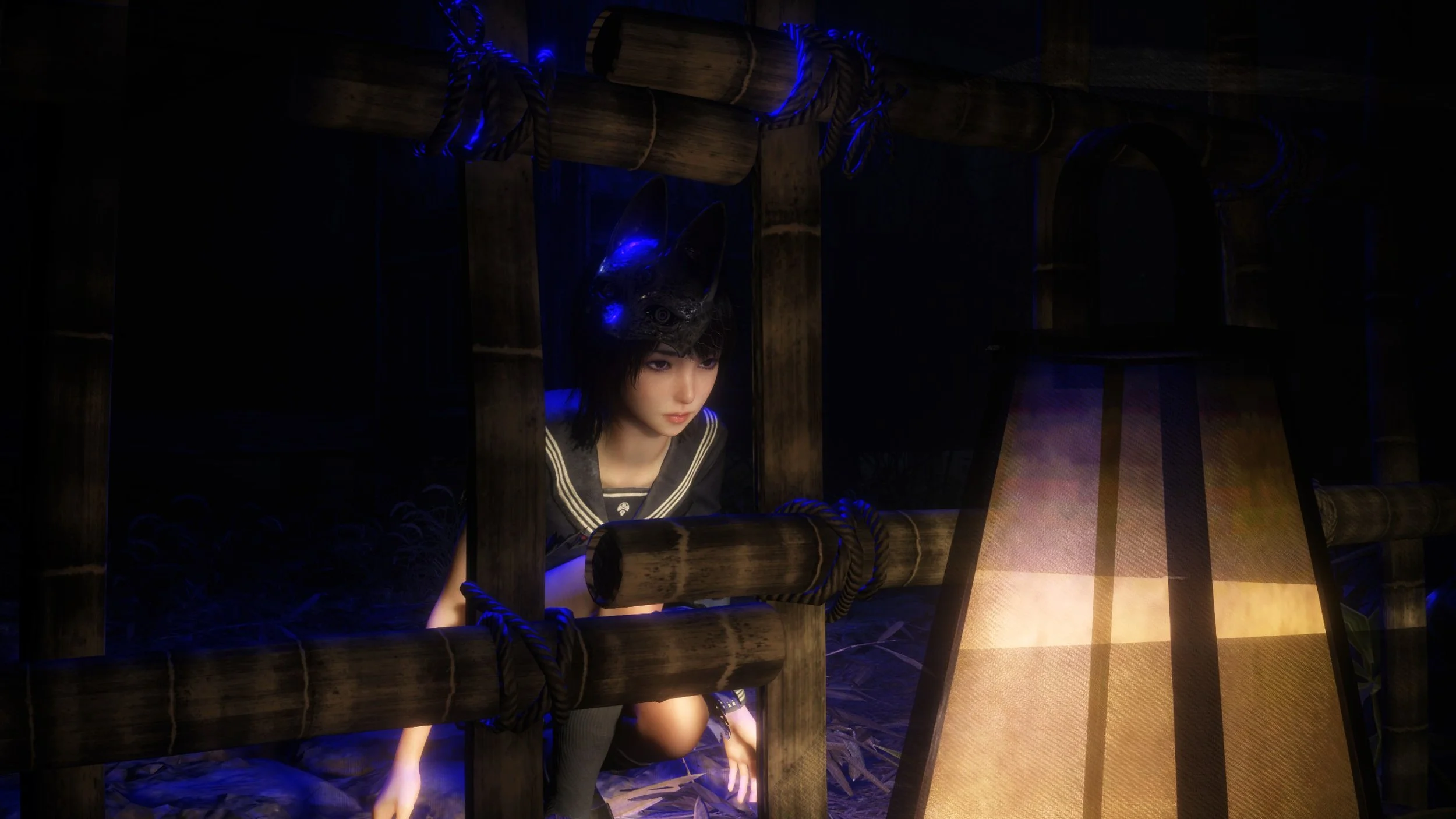
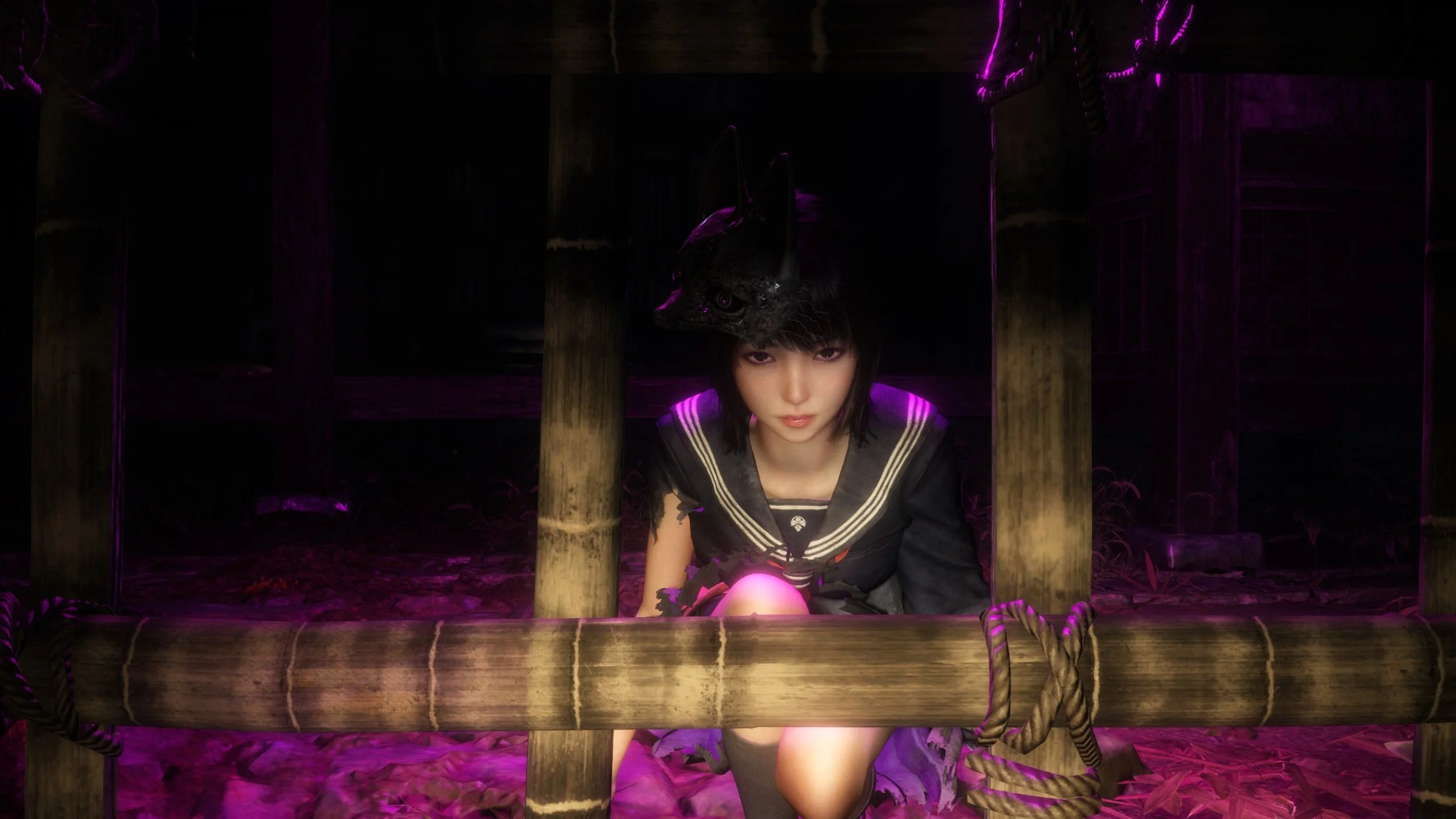
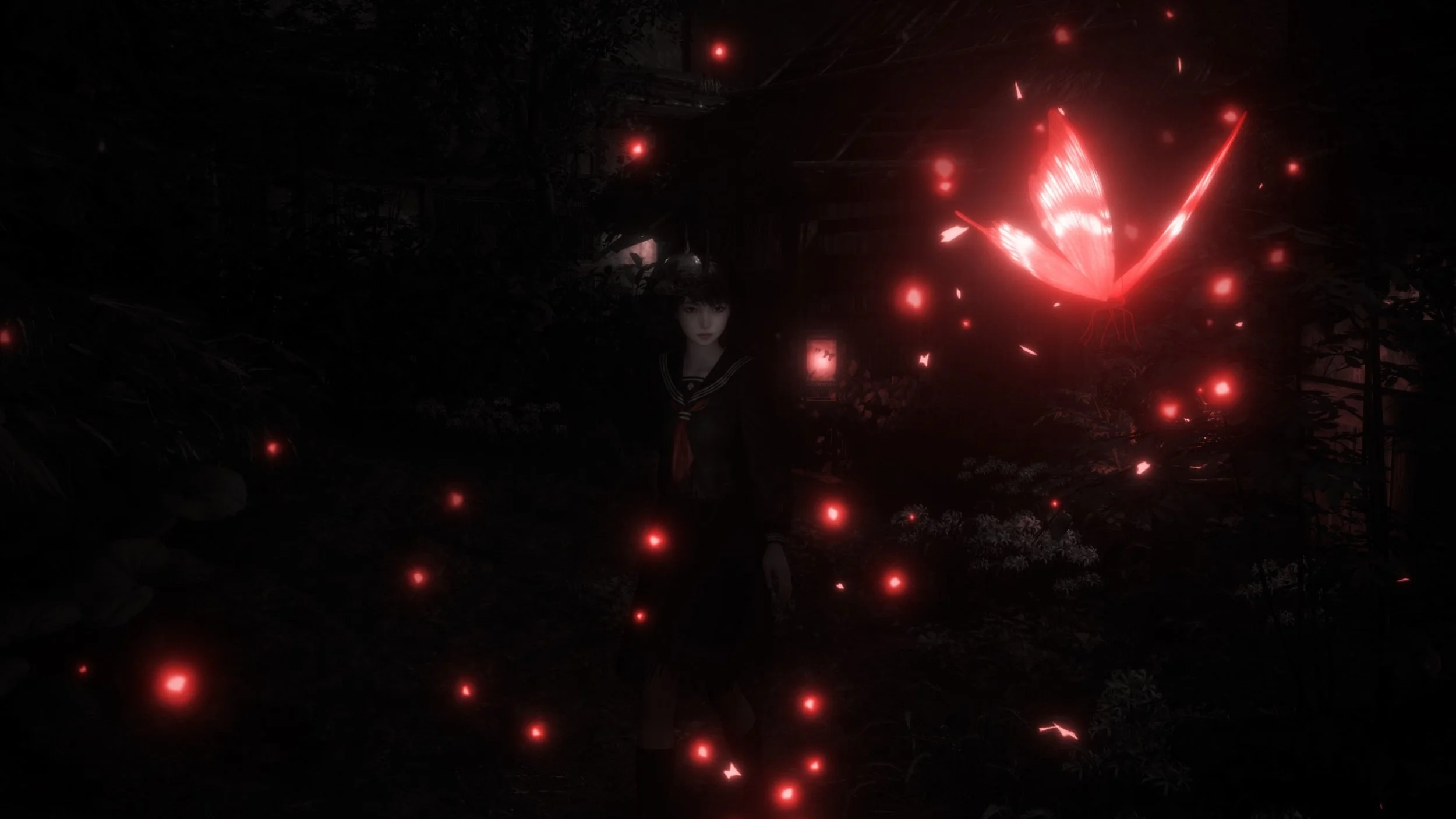
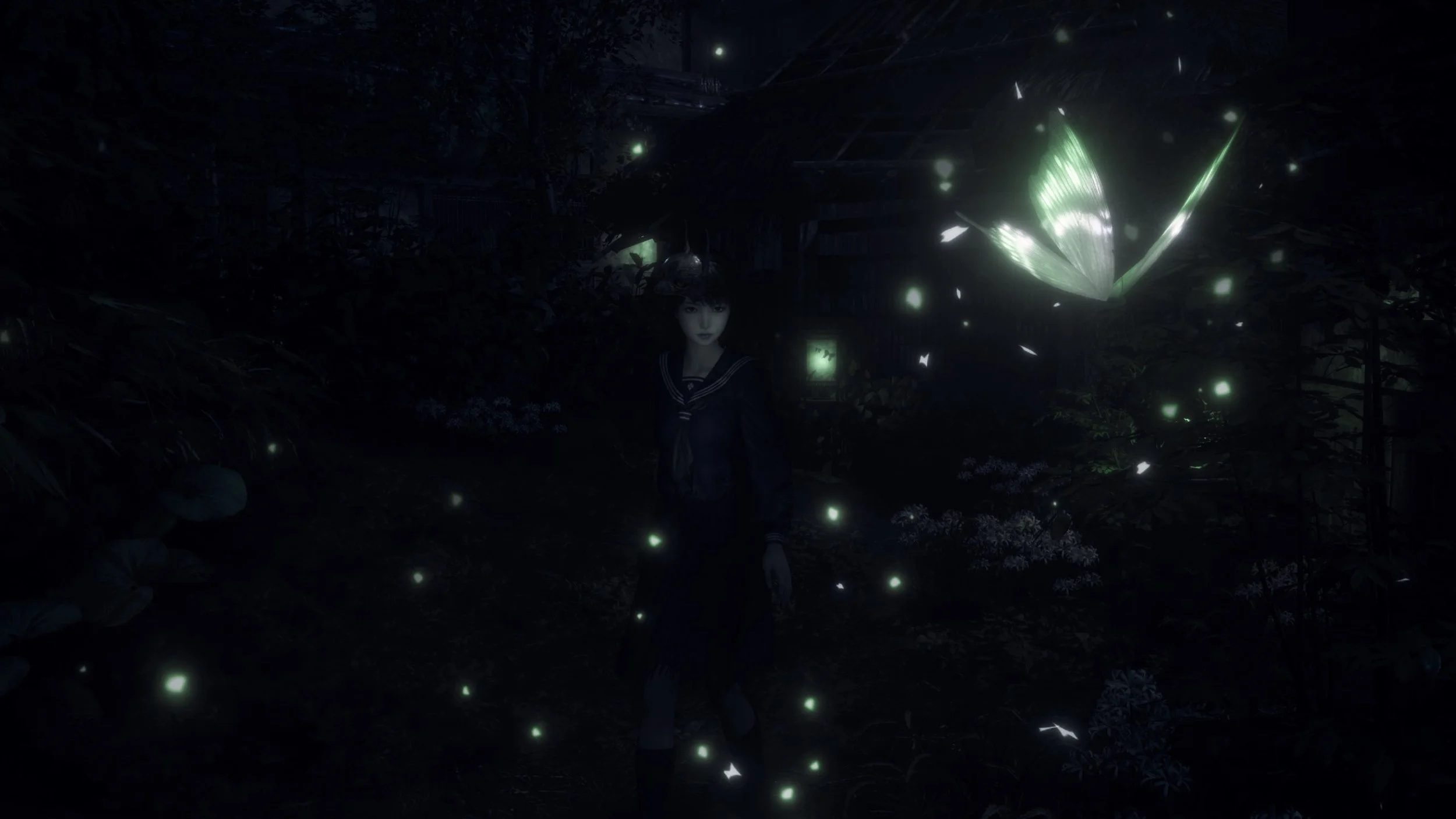
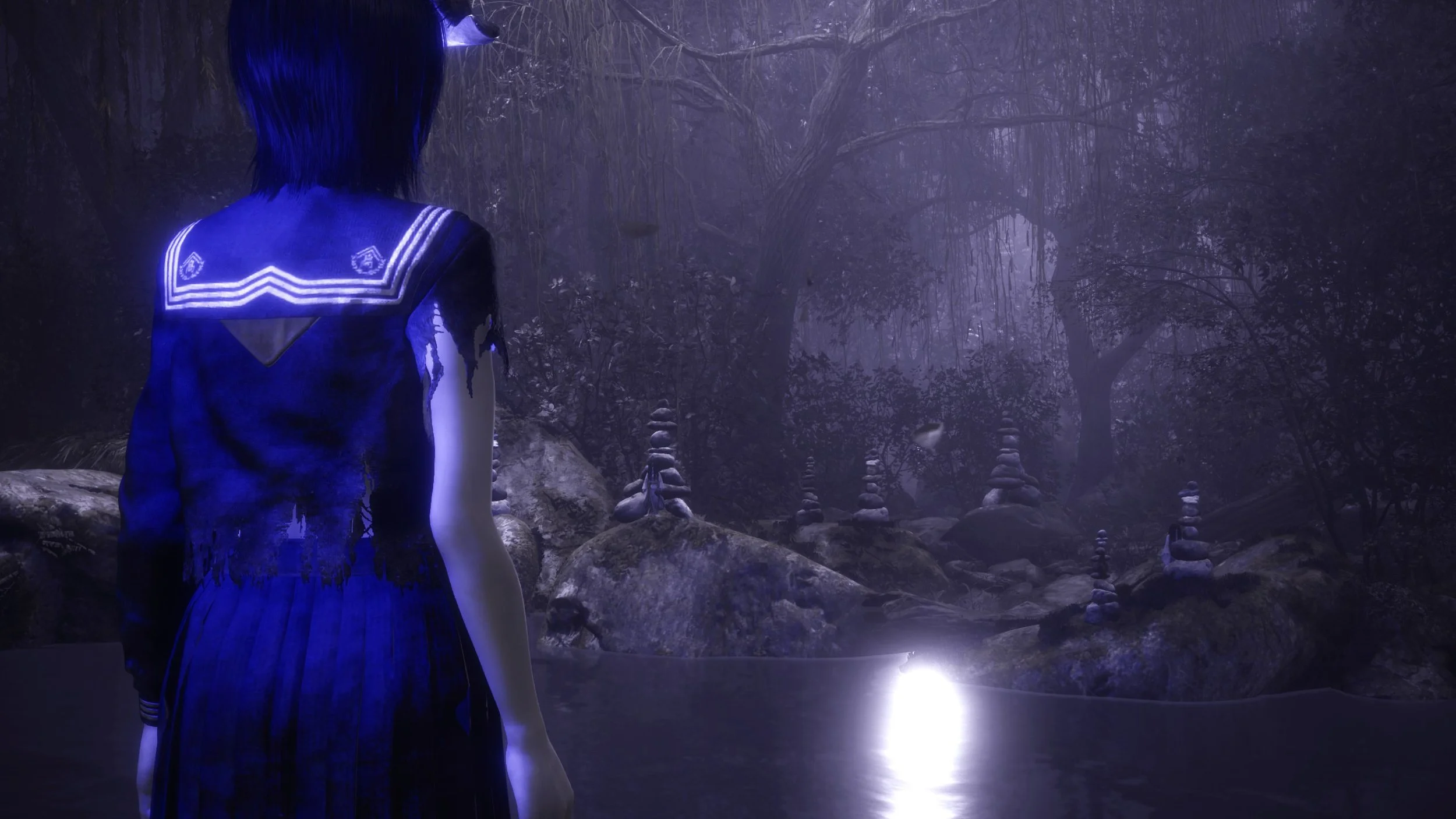
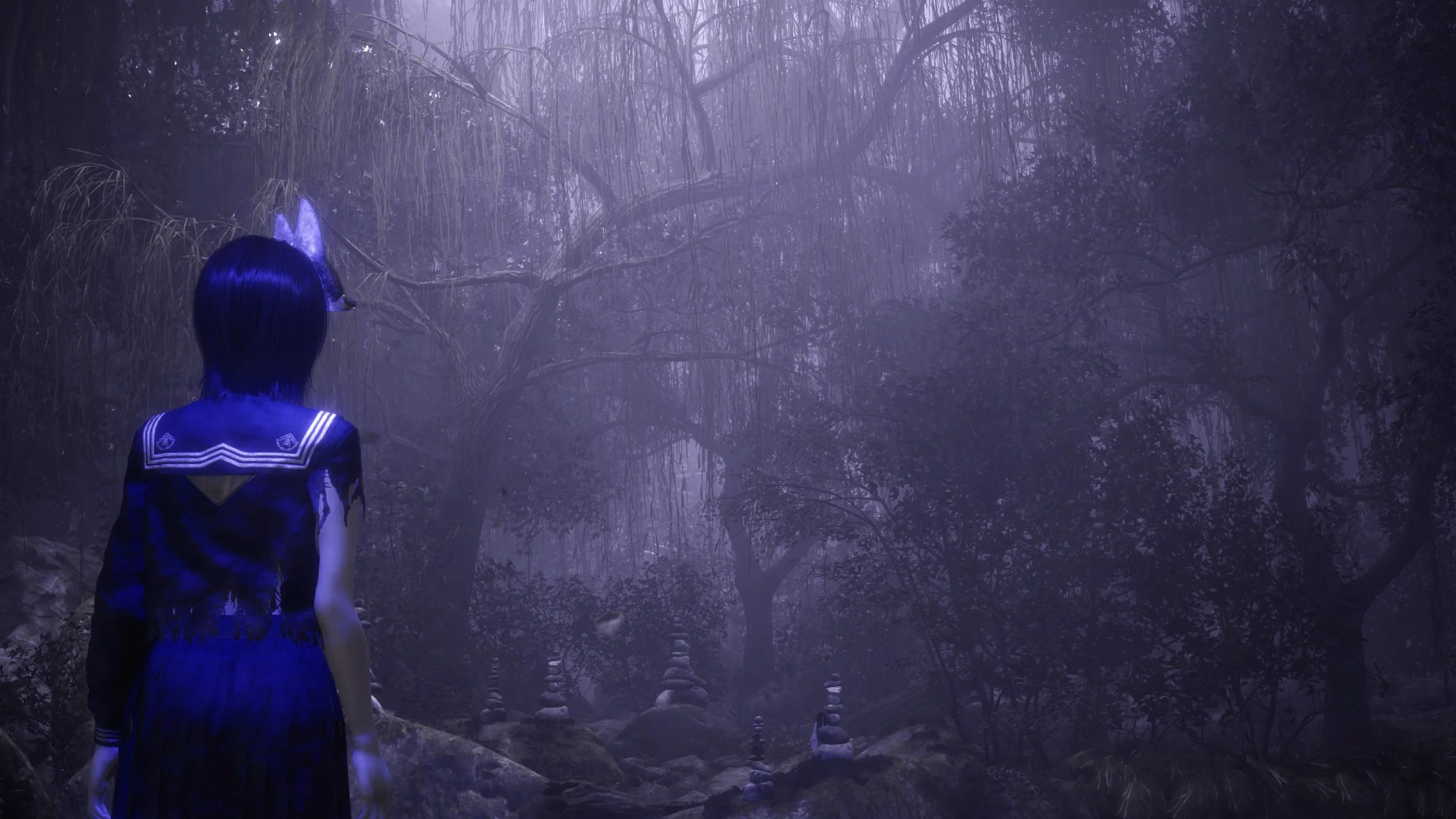
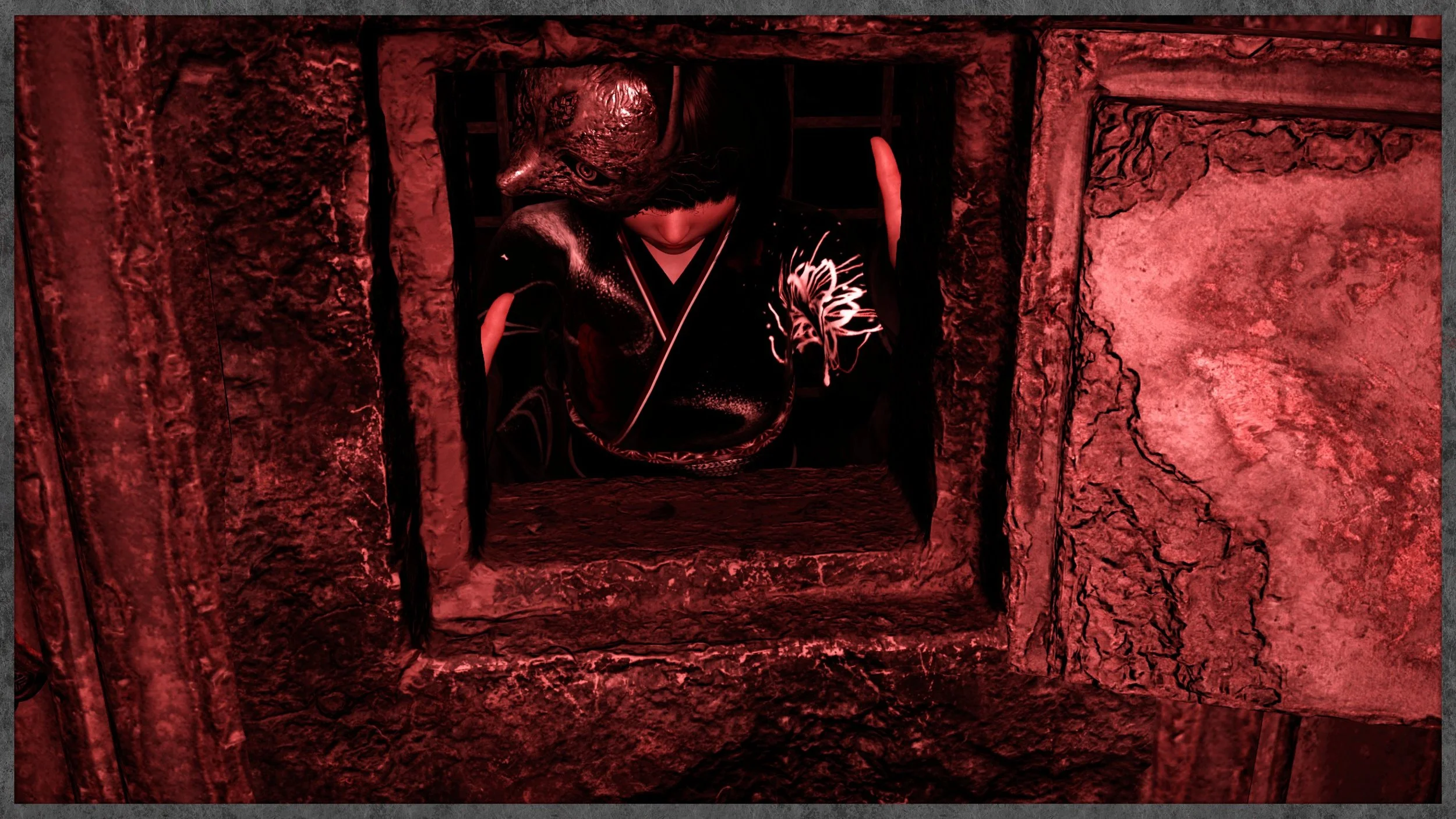
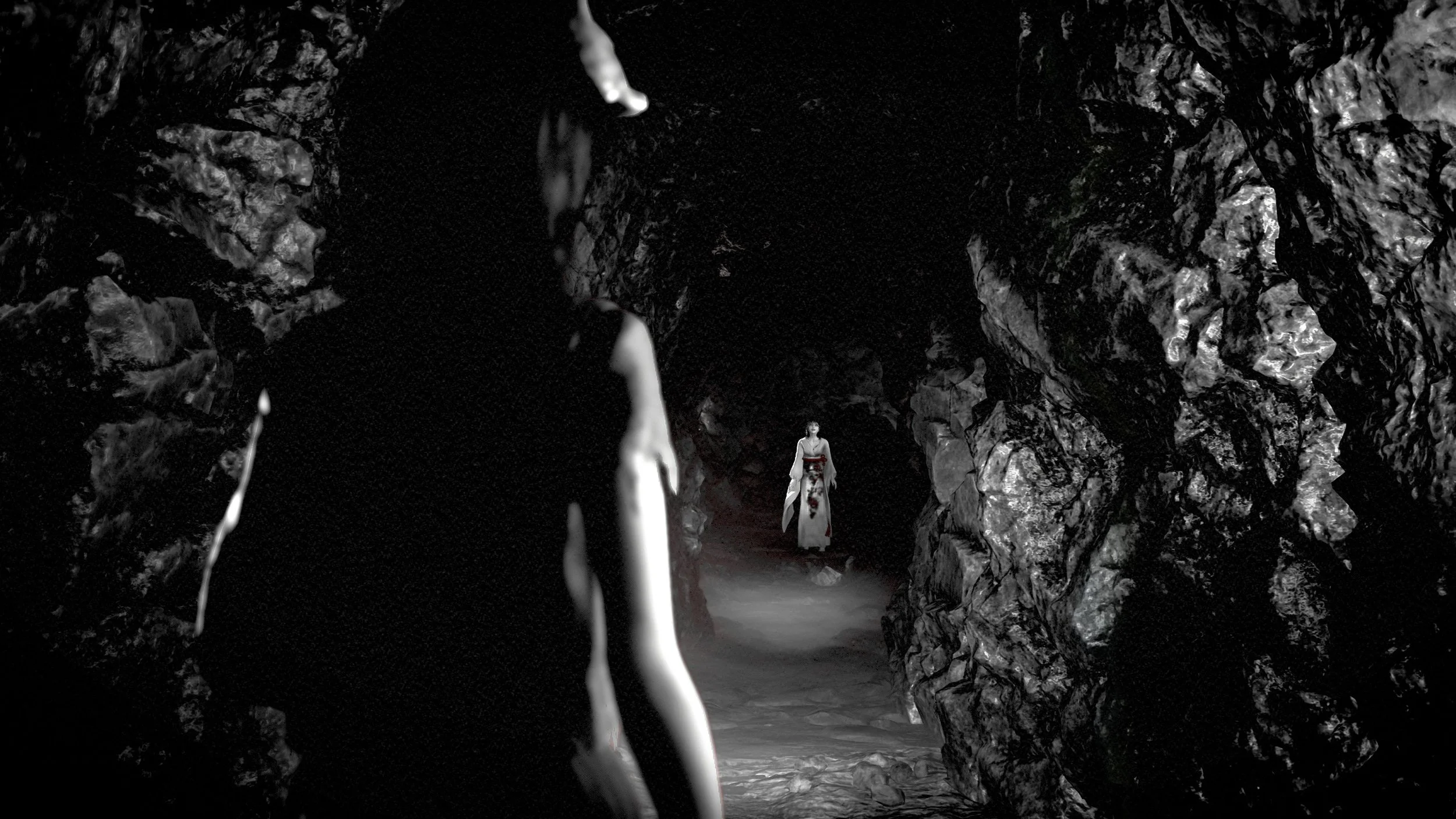
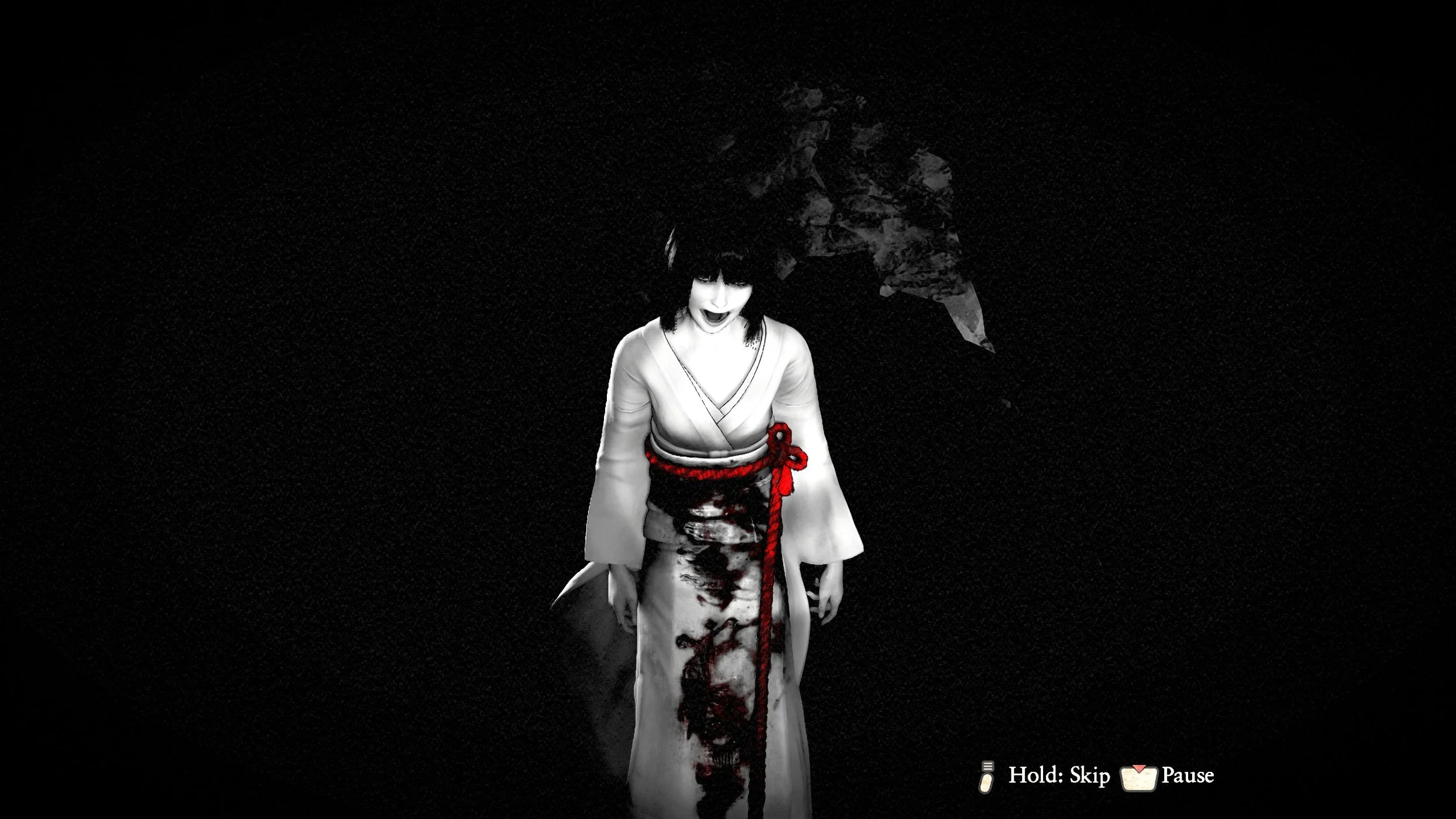
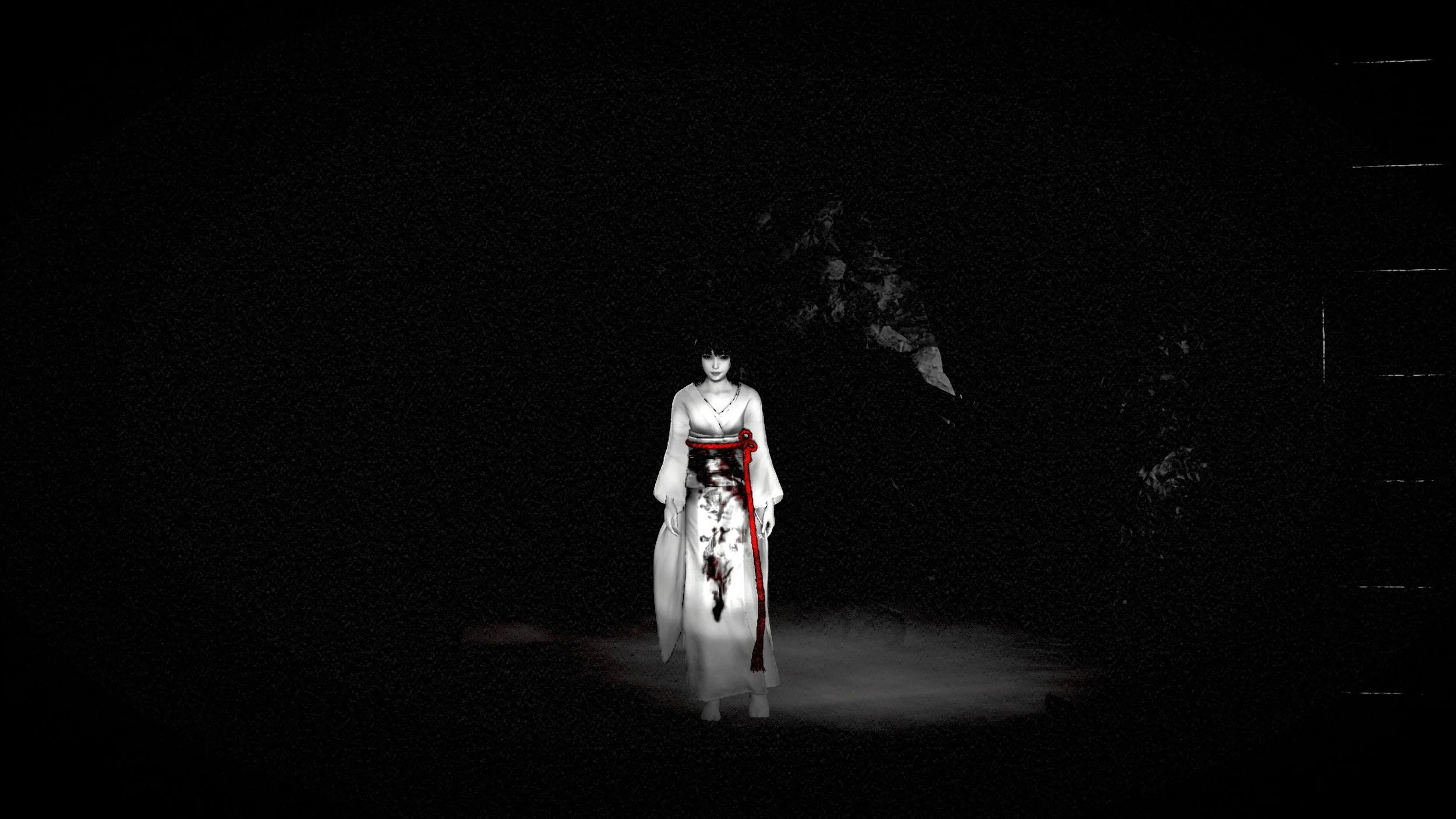
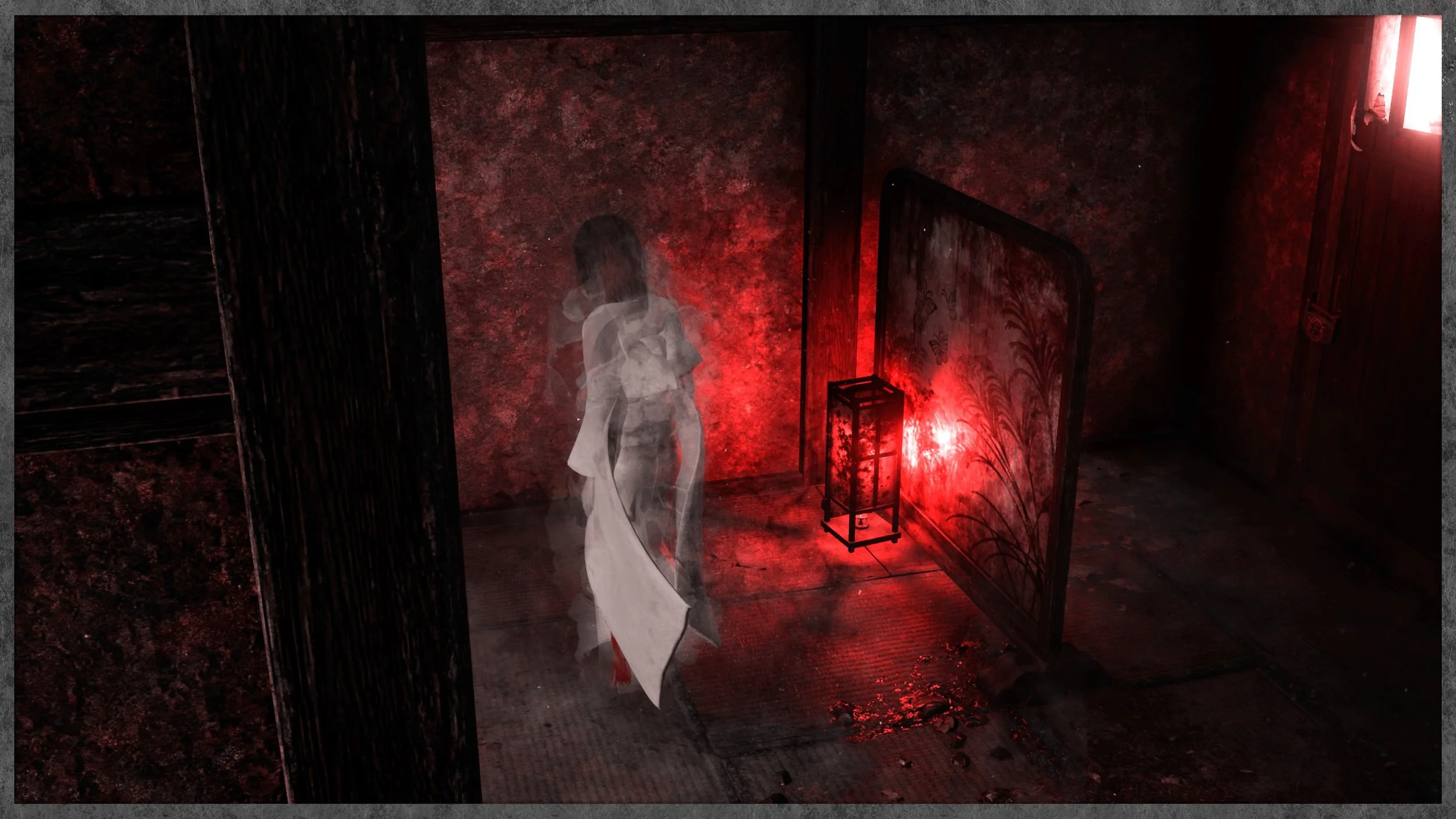
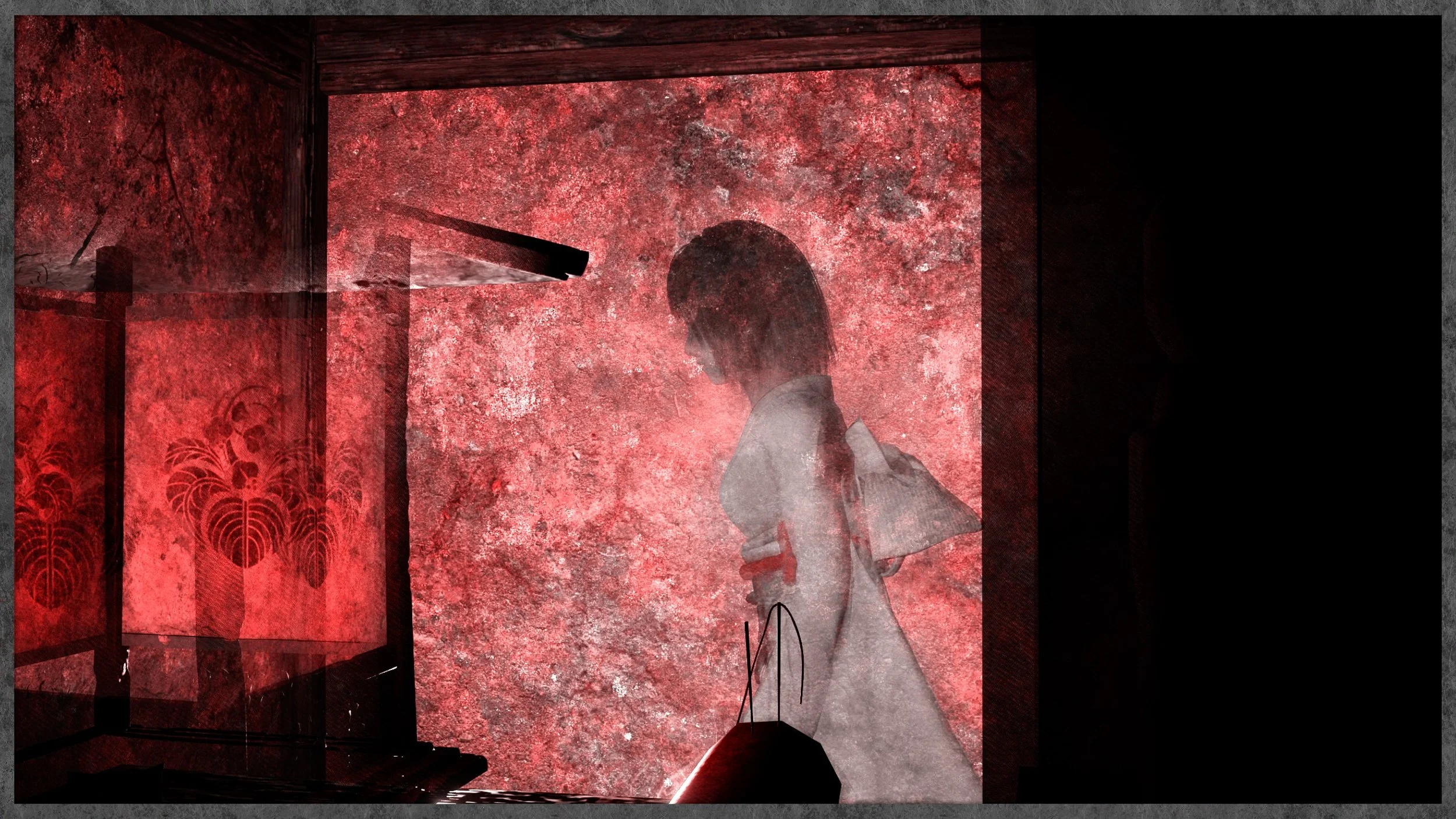
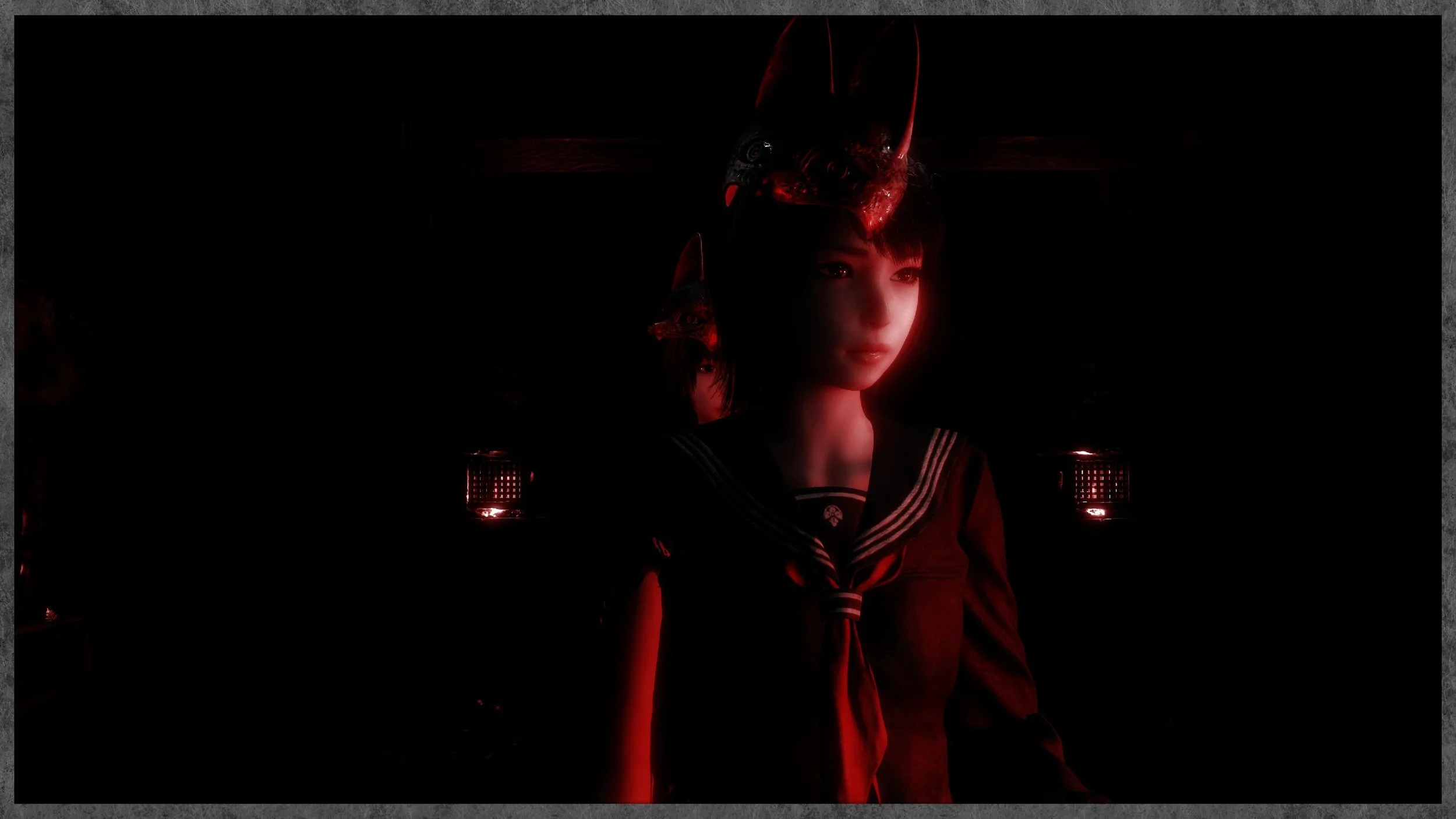
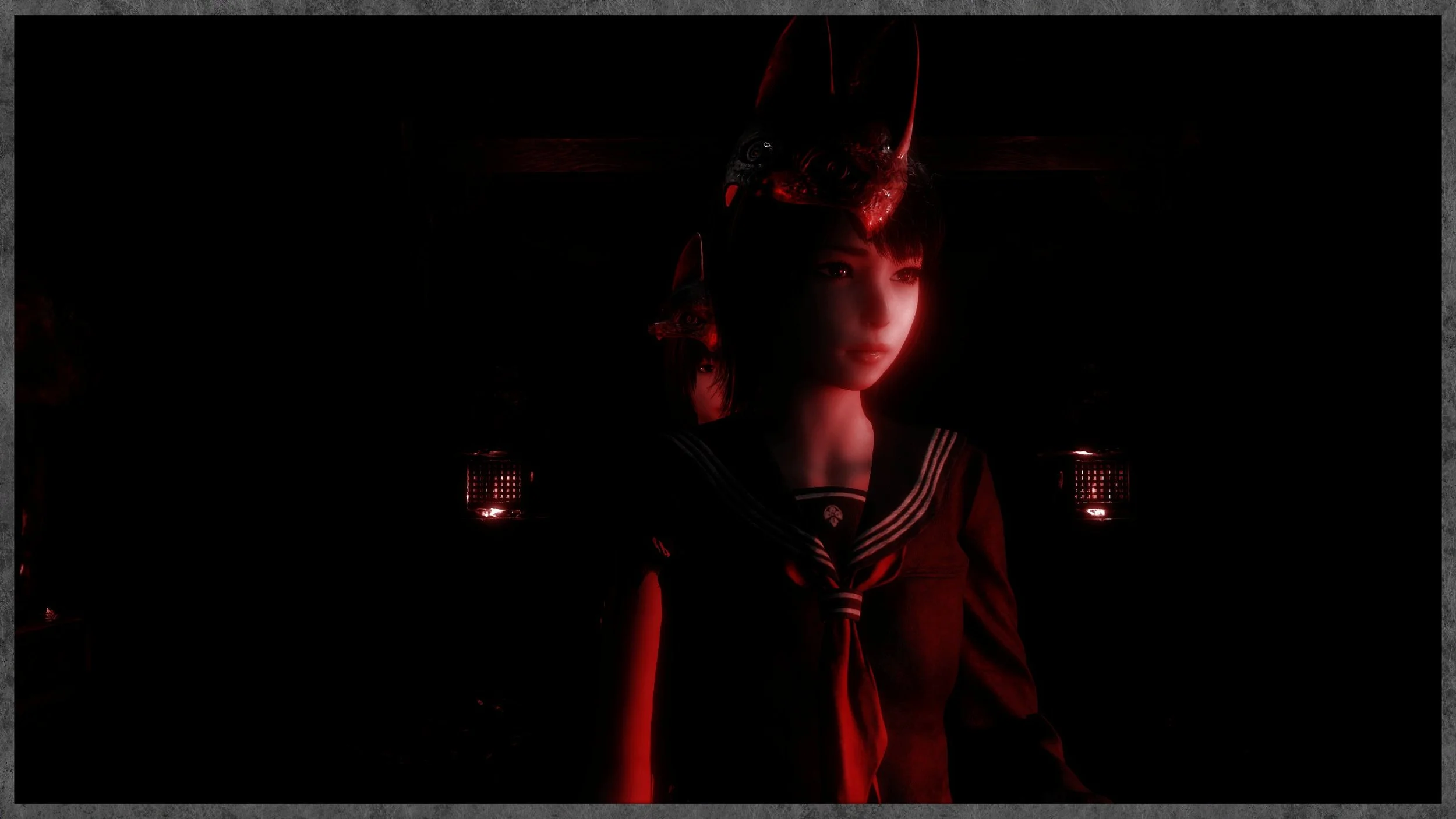
I also think the supporting designs matter more in Fatal Frame II than people sometimes give them credit for. Sae Kurosawa, Kusabi, Miyako Sudo, and the rest of the village’s spiritual remnants are not just enemies or lore props. They are visual extensions of the game’s central themes: ritual, abandonment, repetition, loss, and being trapped in a wound that never fully closed. The horror in Fatal Frame II has always been less about a monster chasing you and more about the sadness of a place that cannot stop reliving its own suffering. That is why the visual and audio updates matter so much in a remake like this. Koei Tecmo specifically highlights reworked graphics, striking contrasts of light and shadow, and spatial audio that makes the presence of spirits more vivid. If those ghosts do not feel mournful as much as frightening, then something important is lost.
Gameplay is probably where the remake makes its boldest changes, and also where the critique gets the most interesting. The Camera Obscura returns, but now with new features like focus, zoom, filter switching, and Special Shots. Those additions matter because they affect both combat and exploration. Zoom can change how safely you engage spirits and how you examine the environment. Filters can reveal hidden objects, restore vanished locations, reproduce residual memories, or affect combat strategy. Special Shots add more player expression in tense encounters. On paper, that gives the remake a richer and more flexible mechanical identity than the original.
There are also some smaller additions that are worth talking about because they show how the remake modernizes the experience beyond just movement and camera control. The new hand-holding mechanic with Mayu is one of the most interesting examples. Mechanically, it can restore health and willpower, but thematically, it is doing something more important: it turns the sisters’ bond into something you physically participate in during gameplay. That is a really smart touch for a story so centered on attachment, guilt, and dependence. It is one of those features that could have felt gimmicky on paper, but conceptually it actually fits Fatal Frame II very well.
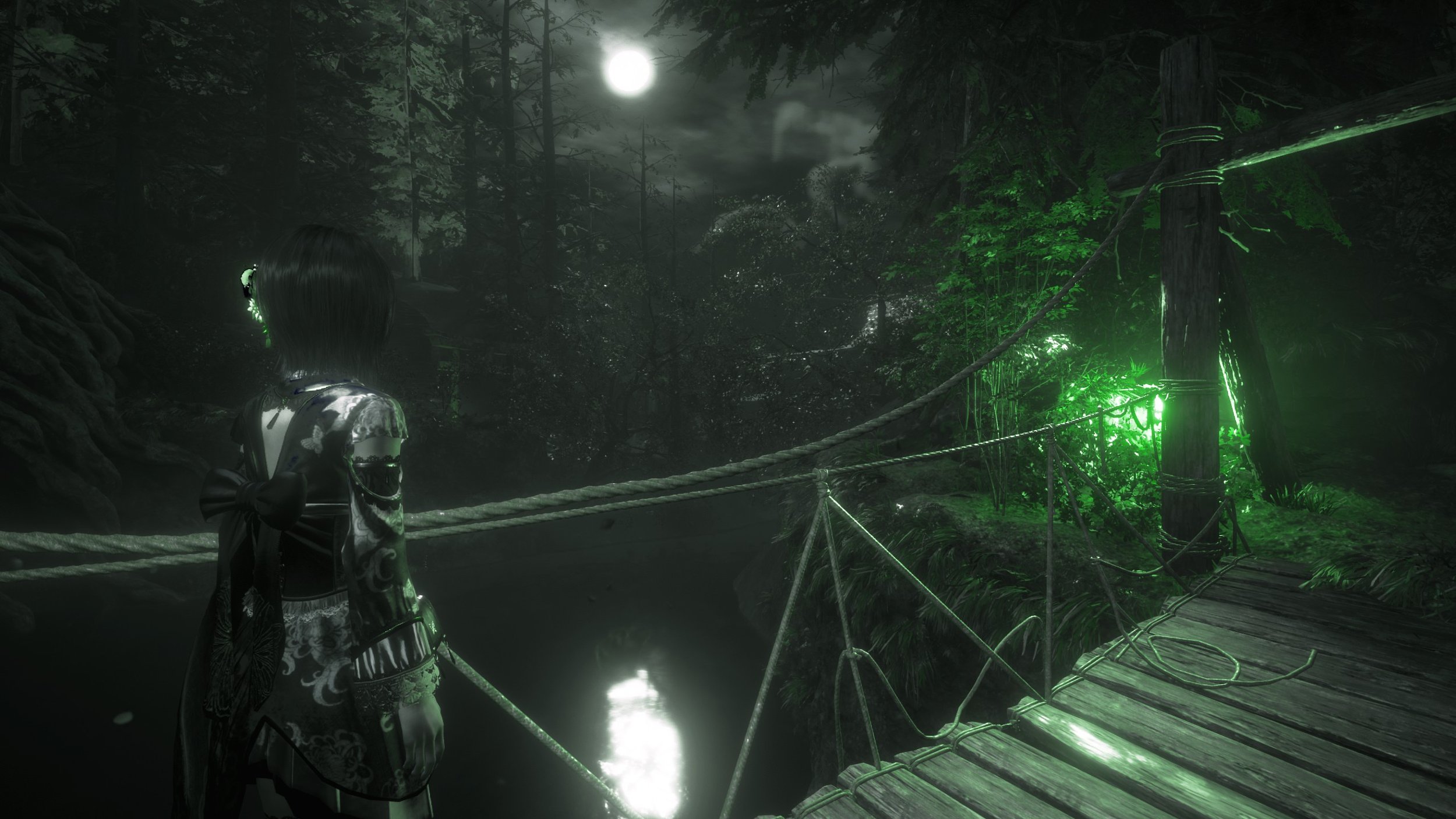
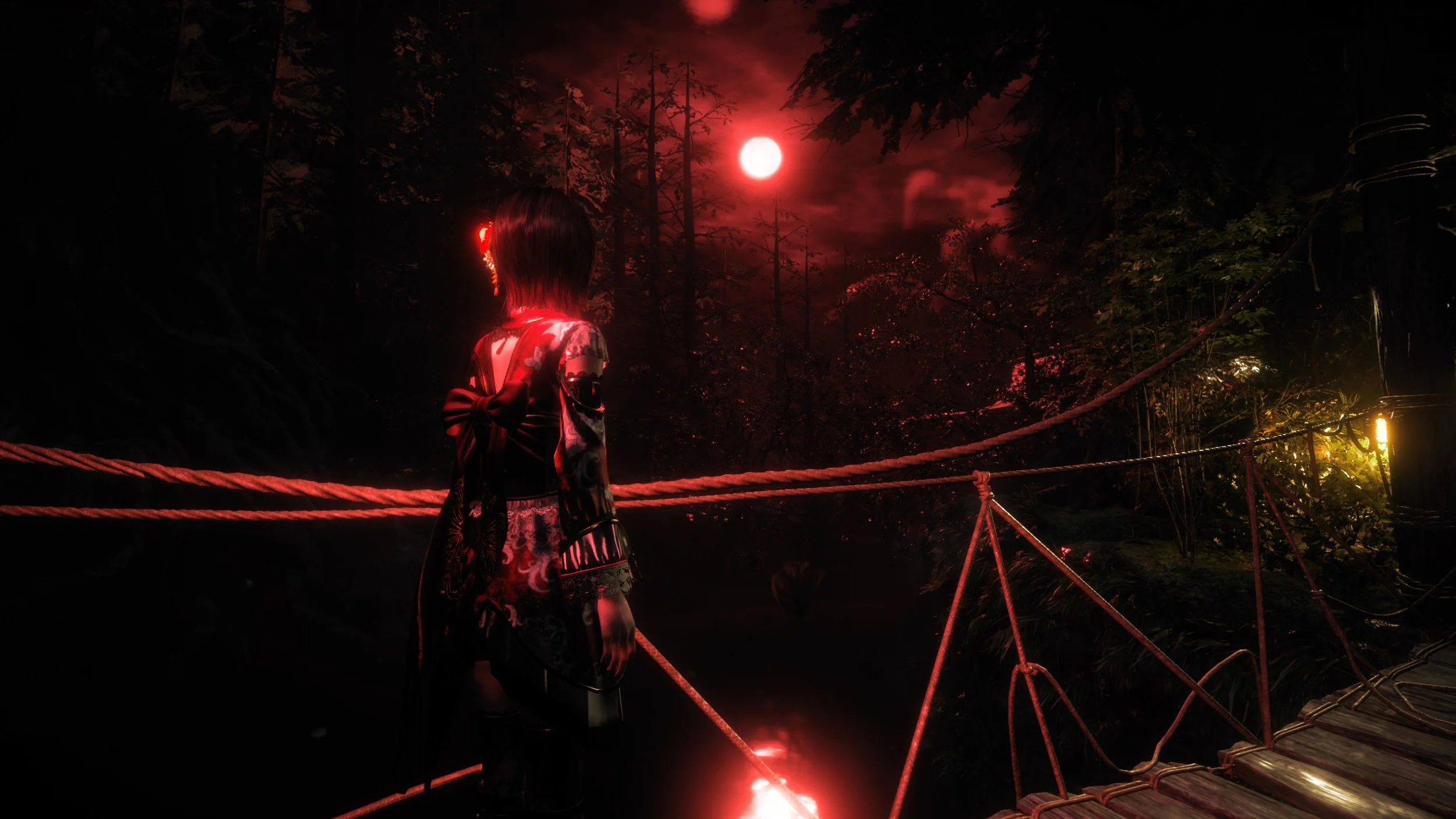
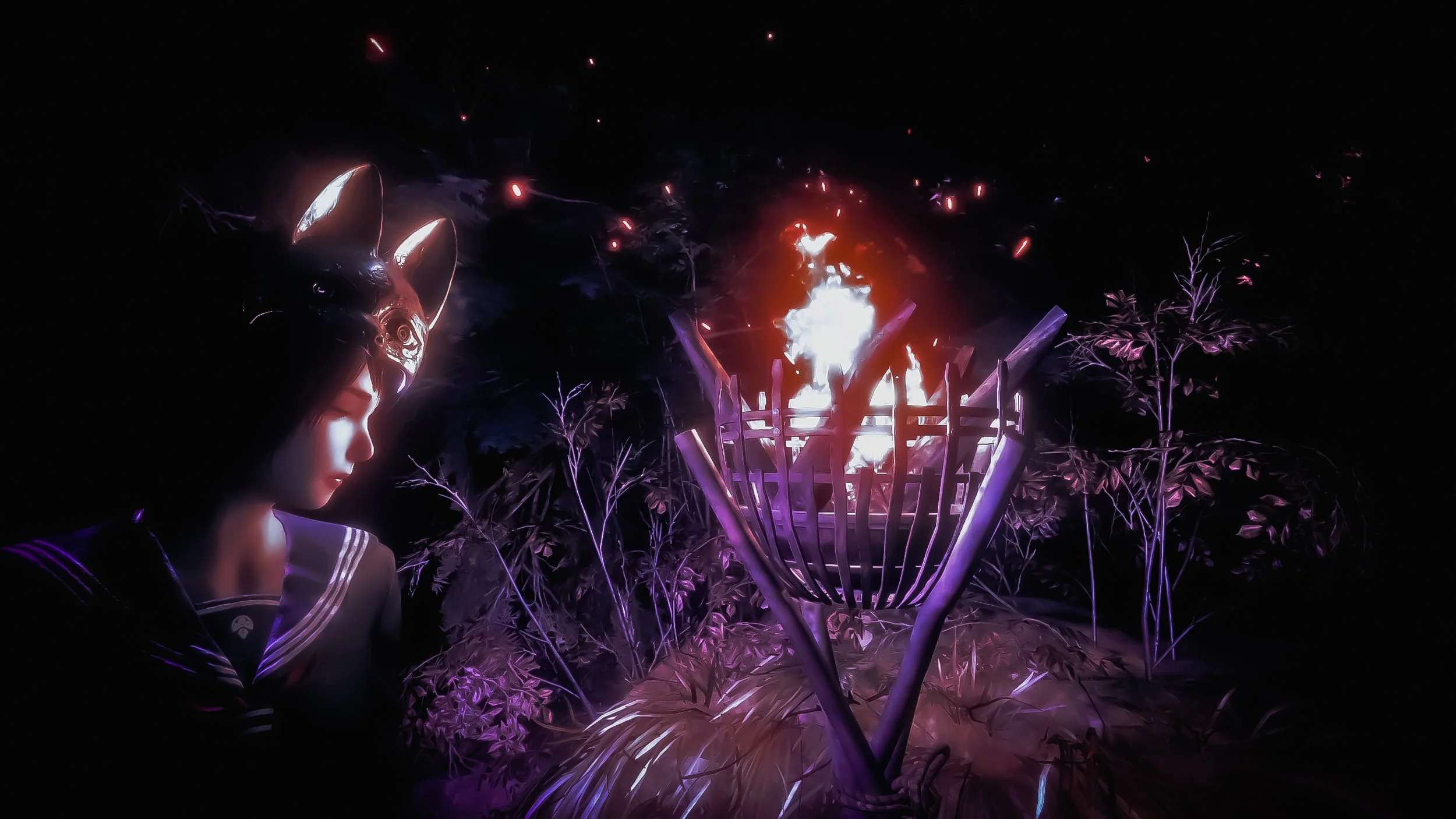
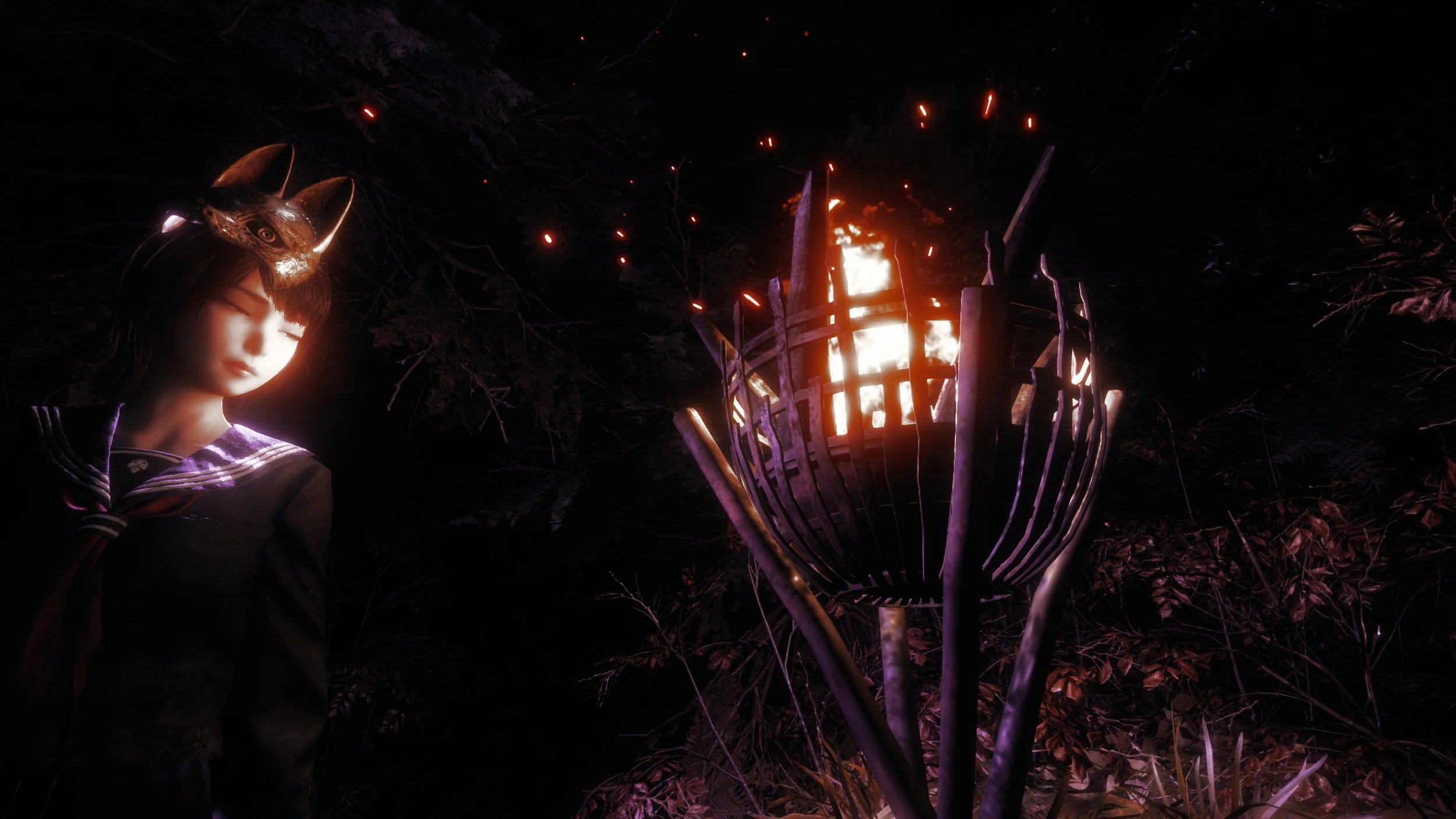
And yes, Photo Mode is one of those details that is genuinely neat and worth mentioning. It lets players capture in-game moments with frames, stickers, and effects, which feels especially fitting in a series where photography is already inseparable from both survival and storytelling. On the surface, it is an extra feature. But thematically, it is actually pretty interesting: this is a game where the camera is your weapon, your witness, and your connection to the dead, and now the remake also gives players a more creative and modern way to interact with that visual language. It is a small addition, but it fits the remake’s identity better than it might in a different horror franchise.
The Twin Dolls system is another detail that may sound minor at first but is actually useful to discuss. By photographing paired dolls around the village, players can purify them and unlock more items in the Point Exchange. That may not be the most emotionally powerful feature in the game, but it does show how the remake adds modern progression and collectible incentives without fully abandoning its atmosphere-first design. That kind of addition tells me Team NINJA wanted to expand how players engage with the village without turning the experience into something too gamey or overly busy.
The remake also adds a brand-new ending, new side stories unlocked through Broken Spirit Stones, and new areas like Umbral Mound and Eikado Temple. These are important additions because they help answer the biggest remake question: is this just a prettier version of the original, or is it trying to justify itself as a new interpretation? I think these additions at least show intent. They suggest the remake wants to deepen the world and its characters rather than merely recreate the original scene-for-scene. Whether every addition lands emotionally is something players will debate, but the effort to expand the world is clearly there.
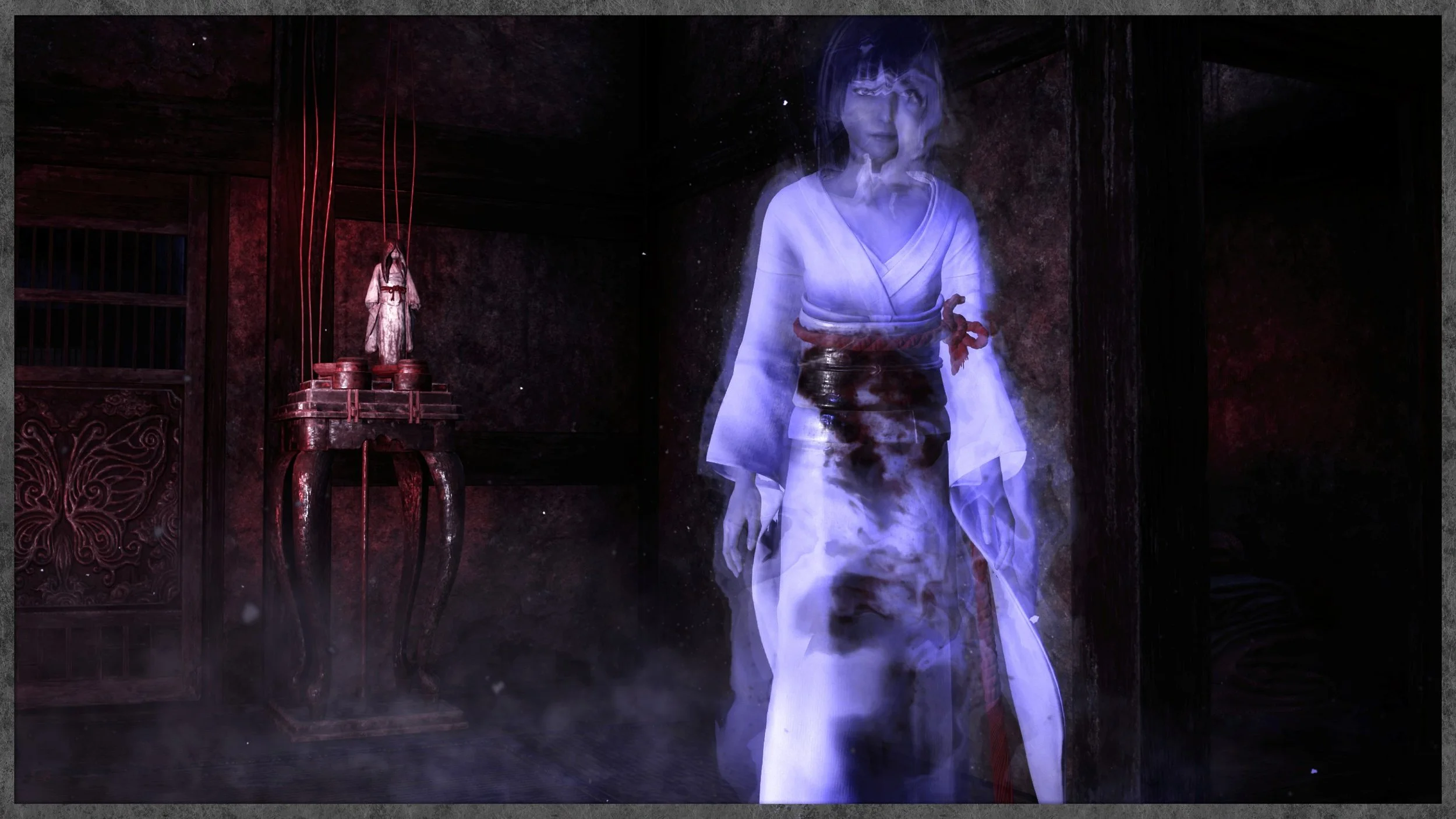
But this is also where comparing it to the original becomes necessary.
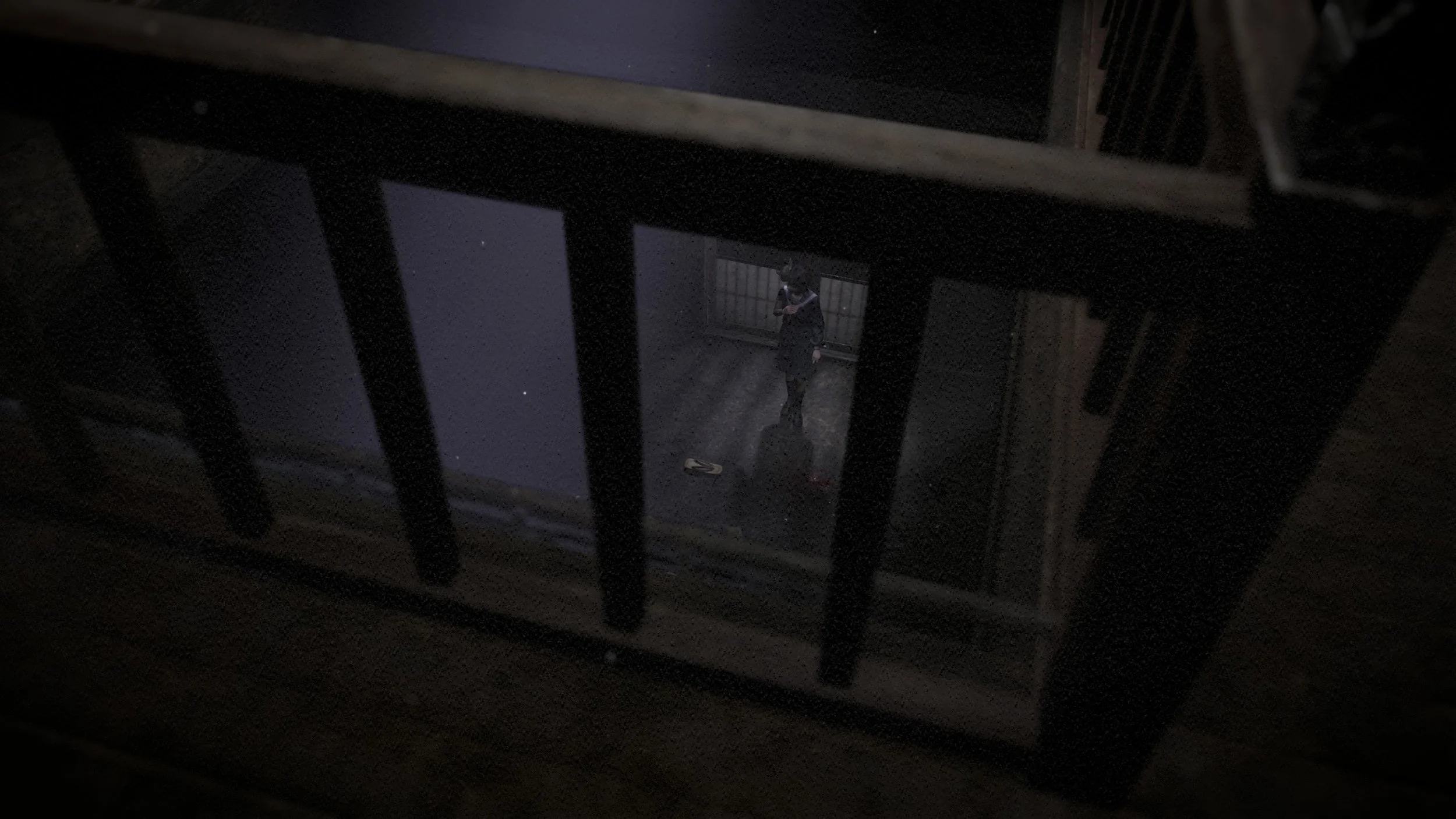
The original Fatal Frame II used fixed camera angles in a way that did more than just limit movement. Those angles were part of the fear. They controlled what you saw, what you did not see, and how long the game could make you feel uncertain about a hallway, a doorway, or the edge of a room. That perspective added a composed, cinematic dread that many classic survival horror games used brilliantly. In the remake, shifting to a closer, freer camera creates a more immersive and modern-feeling experience, but it also changes the kind of fear the game produces. It makes exploration more readable and direct, but it can reduce some of the original’s visual tension and staged unease. That is not automatically a flaw, but it is a real tradeoff, and I think longtime fans are justified in noticing it. The comparison here is analytical rather than a direct official claim, but it is grounded in the remake’s confirmed camera and control changes.
The soundtrack side of the remake is worth mentioning too, especially because Fatal Frame has always depended so heavily on sound to do its emotional work. Koei Tecmo is offering a digital soundtrack collection as part of the game’s deluxe content, which reinforces that the music and soundscape are a core part of the package. For a series like this, that matters. Silence, distant noises, ritual ambience, and fragile melodic cues are not just decorative; they are part of how the game creates vulnerability. In a remake that modernizes the camera and controls so heavily, the audio has to help preserve the unease and grief that defined the original.
Honestly, I think that is the fairest way to critique this remake against the original: not as “better” or “worse” in every category, but as speaking a different horror language. The remake seems stronger in terms of usability, visual fidelity, systemic depth, and modern features like Photo Mode and added exploration tools. The original may still be stronger in how carefully it frames fear and how much dread it creates through restriction. The remake expands, modernizes, and opens up. The original confines, withholds, and suffocates. Both approaches have value, but they create different emotional textures.
Where I do think the remake deserves real credit is in how it expands the experience without seeming embarrassed by the original. Some remakes feel like they are sanding down everything strange or memorable in order to feel safer and more mainstream. Crimson Butterfly REMAKE does not really come across that way. It still wants to be eerie, ritualistic, feminine, tragic, and quiet. It still wants you to feel the emotional pain at the center of the horror. That is a huge part of why Fatal Frame II matters in the first place, and I think the remake deserves praise for understanding that. This is partly interpretation, but it is supported by the official focus on deeper lore, stronger atmosphere, and preserving the core identity of the game while expanding it.
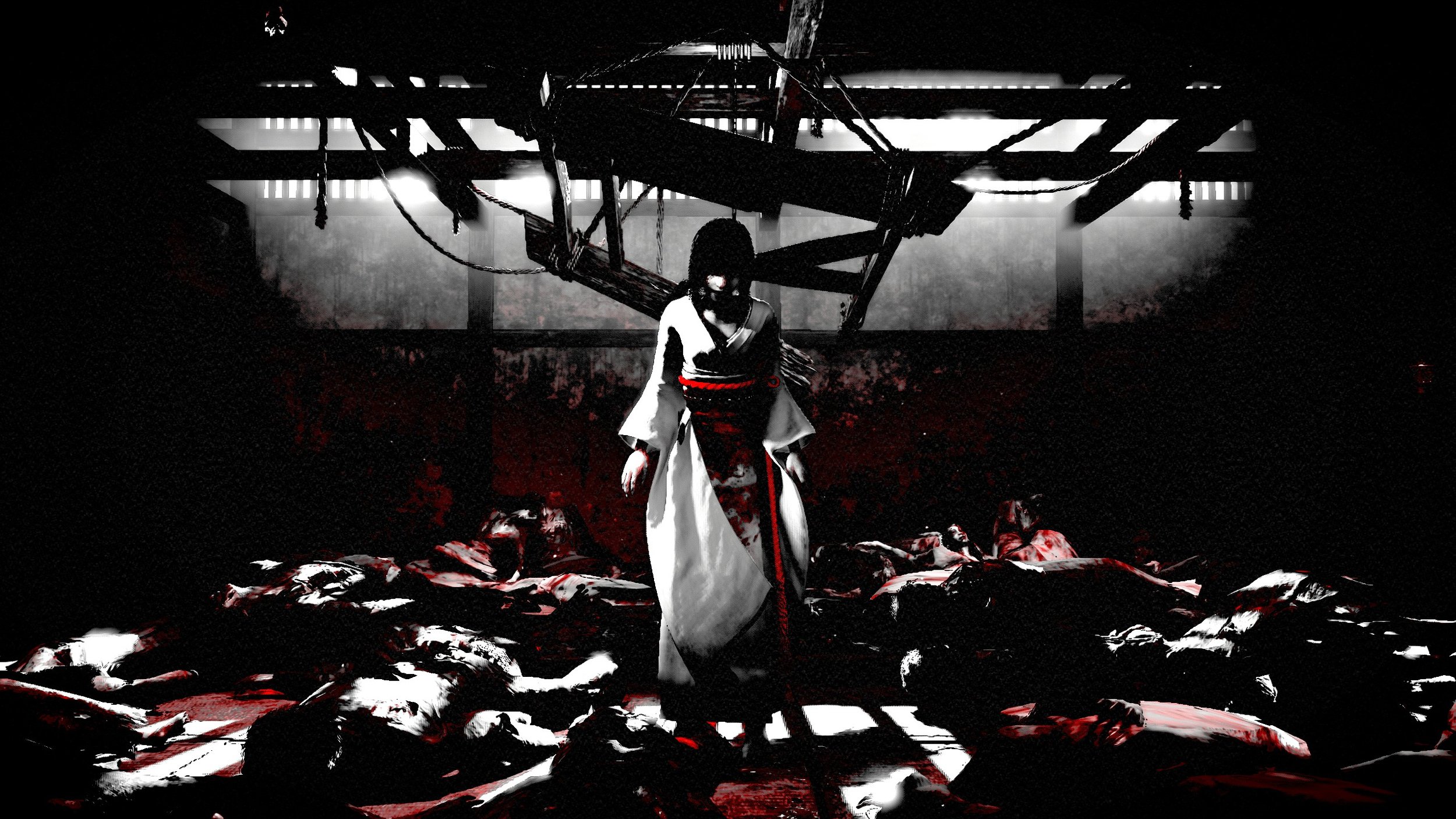
From a story perspective, Fatal Frame II still stands out because it understands that horror and grief can be inseparable. Mio and Mayu’s growth is not the kind of power-fantasy growth seen in more action-heavy horror games. It is emotional growth shaped by fear, dependency, guilt, and the painful question of whether love can become its own kind of trap. That is why the sisters remain such memorable protagonists. Their journey is not really about conquering evil in a clean, triumphant way. It is about enduring a place that knows exactly where they are emotionally vulnerable. That kind of storytelling still feels special, and I think the remake’s continued commitment to their bond is one of its strongest qualities.
I also think this remake is clearly trying to serve two groups at once: longtime fans who carry a lot of emotional attachment to the original, and newcomers who may never have connected with older survival horror design. Team NINJA and Koei Tecmo have openly modernized the camera and controls, and interviews around the remake frame those changes as intentional ways to make the game more approachable while still preserving the story’s core. That is probably why the remake feels less like a replacement for the original and more like a bridge to it. Veteran players may still prefer the older game’s fixed-camera dread, but newer players now have a much easier path into one of horror’s most important stories.
So when I compare Fatal Frame II: Crimson Butterfly REMAKE to the original, I do not think the most useful question is, “Did it replace the classic?” I think the better question is, “Did it preserve the soul of the classic while making enough changes to justify its own existence?” From what Koei Tecmo and Team NINJA have put forward, I think the answer is mostly yes. The remake appears more accessible, more visually expressive, more mechanically layered, and more willing to add modern touches like Photo Mode, expanded exploration systems, and new story material. At the same time, the original likely still holds an edge in atmosphere created through restriction, camera language, and that very specific old-school survival horror discomfort. Both things can be true, and honestly, that is probably the most respectful outcome a remake like this could hope for.